
Why You’ll Love This Mini Cheesecakes
Mini cheesecakes offer all the creamy, rich goodness of traditional cheesecake in a perfectly portioned package. These individual treats have become a favorite for bakers of all skill levels, and once you try them, you’ll understand why they’re such a crowd-pleaser.
- Ease of preparation: Unlike traditional cheesecakes that require careful attention to prevent cracks, mini cheesecakes bake faster and more evenly. With a total prep time of just 15 minutes and a baking time of about 20 minutes, you can have these delightful treats ready to enjoy in under an hour. No water bath is necessary, though it can help with texture, making this recipe incredibly beginner-friendly.
- Portion control: Each mini cheesecake is perfectly portioned, making it easier to enjoy a treat without overindulging. This is especially helpful for those watching their calorie intake or hosting parties where guests might want to sample multiple desserts. The individual size also means everyone gets their own perfectly crafted treat without the mess of cutting slices.
- Versatility: This recipe adapts beautifully to different dietary needs and flavor preferences. You can easily create a gluten-free version by using gluten-free graham crackers or experiment with various toppings like fresh berries, chocolate ganache, or citrus curd. The base recipe serves as a blank canvas for your culinary creativity.
- Distinctive flavor: The combination of tangy cream cheese balanced with sweet sugar and a hint of lemon creates a sophisticated flavor profile that delights the palate. The graham cracker crust adds a buttery, slightly sweet foundation that perfectly complements the rich, velvety filling. Each bite delivers a harmonious blend of textures and tastes that make these cheesecakes truly memorable.
Jump to:
- Why You’ll Love This Mini Cheesecakes
- Essential Ingredients for Mini Cheesecakes
- Ingredients List
- Crust
- Filling
- Understanding Your Ingredients
- Special Dietary Options
- How to Prepare the Perfect Mini Cheesecakes: Step-by-Step Guide
- Preparation and Mise en Place
- Creating the Graham Cracker Crust
- Mixing the Cream Cheese Filling
- Baking to Perfection
- Dietary Substitutions to Customize Your Mini Cheesecakes
- Alternative Base Ingredients
- Crust Variations and Seasonings
- Flavor and Topping Modifications
- Mastering Mini Cheesecakes: Advanced Tips and Variations
- Professional Techniques for Superior Results
- Exciting Flavor Variations
- Presentation and Garnishing Ideas
- Make-Ahead Strategies for Busy Hosts
- How to Store Mini Cheesecakes: Best Practices
- Refrigeration Guidelines
- Freezing for Long-Term Storage
- Reheating and Serving
- Meal Prep Considerations
- FAQs: Frequently Asked Questions About Mini Cheesecakes
- What size pan do I need for mini cheesecakes?
- What type of cream cheese works best for mini cheesecakes?
- How long to bake mini cheesecakes and do I need a water bath?
- Can I make mini cheesecakes ahead of time?
- Can I substitute ingredients in mini cheesecake recipe?
- Mini Cheesecakes
- Ingredients
- Instructions
- Last Step:
- Notes
- Nutrition
- Did you make this recipe?
Essential Ingredients for Mini Cheesecakes
The secret to outstanding mini cheesecakes lies in using quality ingredients and following precise measurements. Each component plays a crucial role in creating the perfect texture and flavor. Let’s break down exactly what you’ll need.
Ingredients List
Crust
- 1 cup graham cracker crumbs (about 8 full-sheet graham crackers)
- 2 tablespoons granulated sugar
- 3 tablespoons unsalted butter (melted)
Filling
- 16 ounces full-fat brick cream cheese (softened to room temperature)
- 1/2 cup granulated sugar
- 1/4 cup full-fat sour cream (at room temperature)
- 1 teaspoon pure vanilla extract
- 1 teaspoon freshly squeezed lemon juice
- 2 large eggs (at room temperature)
Understanding Your Ingredients
The graham cracker crust provides that classic crunchy foundation that contrasts beautifully with the smooth filling. Using full-sheet graham crackers and crushing them yourself yields the most consistent texture, though pre-made crumbs work in a pinch. The sugar in the crust adds subtle sweetness and helps bind the crumbs together when mixed with melted butter.
Pro Tip: For the best results, always use full-fat brick cream cheese, not the spreadable tub variety. The brick style contains less moisture, resulting in a denser, creamier cheesecake that holds its shape perfectly.
The cream cheese serves as the star ingredient, providing that rich, tangy flavor we all love in cheesecake. According to cream cheese nutrition facts, while it’s not exactly health food, it does contain some beneficial nutrients like vitamin A. The key is moderation, which these perfectly portioned mini cheesecakes naturally provide.
Sour cream adds both tanginess and moisture to the filling, preventing it from becoming too dense. Room temperature ingredients combine more easily, eliminating lumps and creating a smoother batter. The lemon juice brightens the overall flavor profile while the vanilla extract adds depth and warmth.
Special Dietary Options
For those with dietary restrictions, this recipe can be modified to suit your needs:
- Gluten-free: Replace graham crackers with certified gluten-free graham-style crackers or use a mixture of almond flour and coconut flour for a low-carb alternative.
- Vegan: Substitute vegan cream cheese, plant-based sour cream, and a flax egg mixture in place of regular eggs. Note that texture may vary slightly.
- Lower sugar: Replace granulated sugar with your preferred sweetener, though you may need to adjust quantities as some sweeteners are sweeter than sugar.
How to Prepare the Perfect Mini Cheesecakes: Step-by-Step Guide
Making mini cheesecakes is easier than you might think. Follow these detailed steps to create perfect individual treats that will impress your family and friends. This process has been refined to help you avoid common pitfalls and achieve bakery-quality results.
Preparation and Mise en Place
Before starting, ensure all your ingredients are at room temperature. This is crucial for achieving a smooth, lump-free batter. Take the cream cheese, eggs, and sour cream out of the refrigerator at least one hour before you plan to begin baking. This simple step makes a significant difference in the final texture of your cheesecakes.
Preheat your oven to 325°F (165°C) and position a rack in the center of the oven. Line a standard 12-count muffin tin with paper liners. Using liners makes removal effortless and adds a nice touch for serving. If you prefer, you can also use silicone muffin cups, which don’t require liners and pop out easily.
Creating the Graham Cracker Crust
First, prepare the crust by combining 1 cup graham cracker crumbs, 2 tablespoons granulated sugar, and 3 tablespoons melted unsalted butter in a medium bowl. Mix thoroughly until all the crumbs are evenly moistened. The mixture should hold together when pressed but shouldn’t be overly wet.
Place approximately 1 tablespoon of the crust mixture into each muffin cup liner. Use the back of a teaspoon or a small measuring spoon to press the crumbs firmly and evenly into the bottom of each cup. Creating a compact crust helps it hold together and provides a solid foundation for the filling. Set aside while you prepare the filling.
Mixing the Cream Cheese Filling
In a large mixing bowl, beat 16 ounces softened full-fat brick cream cheese with an electric mixer on medium speed until completely smooth and creamy. This usually takes about 2-3 minutes. Starting with the cream cheese alone helps eliminate lumps more effectively than adding other ingredients right away.
Add 1/2 cup granulated sugar to the cream cheese and beat until well combined, about 1 minute. The sugar should be fully dissolved into the cream cheese mixture. Scrape down the sides of the bowl to ensure everything is incorporated evenly.
Add 1/4 cup full-fat sour cream, 1 teaspoon pure vanilla extract, and 1 teaspoon freshly squeezed lemon juice. Mix on low speed until just combined. Avoid overmixing at this stage, as incorporating too much air can lead to cracks during baking.
Finally, add 2 large eggs, one at a time, mixing on low speed after each addition until just blended. Once the eggs are incorporated, stop mixing immediately. Overmixing eggs can cause the cheesecakes to puff up and then deflate, creating an undesirable texture.
Baking to Perfection
Distribute the filling evenly among the muffin cups, filling each about three-quarters full. A standard ice cream scoop works wonderfully for portioning the batter consistently. Gently tap the muffin tin on the counter once or twice to release any air bubbles trapped in the batter.
Place the muffin tin in the preheated oven and bake for 18-22 minutes. The cheesecakes are done when the edges are set and slightly puffy, but the centers still have a slight jiggle when you gently tap the pan. They shouldn’t be liquid, but they shouldn’t be completely firm either they’ll continue to set as they cool.
Baking Tip: If you notice the tops browning too quickly, loosely tent a piece of aluminum foil over the pan for the last few minutes of baking. This prevents burning while allowing the cheesecakes to finish cooking through.
Remove from the oven and place on a wire cooling rack. Let the cheesecakes cool completely in the pan, about 30-60 minutes. This gradual cooling helps prevent cracks from forming. Once cooled, refrigerate for at least 4 hours or overnight to allow them to set completely. This chilling period is essential for achieving that perfect cheesecake texture.

Dietary Substitutions to Customize Your Mini Cheesecakes
One of the wonderful aspects of this recipe is its adaptability. Whether you’re accommodating dietary restrictions or simply want to experiment with different flavors, these substitutions will help you create the perfect mini cheesecakes for any occasion.
Alternative Base Ingredients
For those who cannot consume dairy or prefer plant-based options, several alternatives work well in this recipe. Vegan cream cheese brands have improved significantly in recent years and can produce surprisingly good results. Look for blocks rather than tubs for better consistency.
Coconut cream or cashew cream can also serve as substitutes for the dairy cream cheese and sour cream combination. These options impart a subtle coconut flavor that pairs beautifully with tropical fruit toppings. Note that these alternatives may alter the texture slightly, resulting in a softer cheesecake.
If you’re looking to reduce calories, consider replacing part of the cream cheese with low-fat cottage cheese that has been pureed until completely smooth. This substitution maintains creaminess while significantly cutting fat content. You can replace up to half the cream cheese this way without dramatically affecting the texture.
Crust Variations and Seasonings
The graham cracker crust is classic, but numerous alternatives exist. For a gluten-free option, almond flour mixed with a small amount of coconut flour creates a delicious, nutty crust. Simply combine 1 cup almond flour, 2 tablespoons coconut flour, 2 tablespoons sugar, and 3 tablespoons melted butter.
Oreo or other chocolate sandwich cookies make an excellent crust for chocolate lovers. Simply process whole cookies (cream filling included) in a food processor until finely ground and use the same ratio as the graham cracker crust. This variation adds a rich chocolate element that pairs beautifully with fruit toppings.
For seasonal variations, consider incorporating spices into your crust. Adding cinnamon, nutmeg, or ginger to graham cracker crumbs creates a warm, spiced foundation perfect for autumn gatherings. A pinch of sea salt enhances chocolate-based crusts and balances the sweetness of the filling.
Flavor and Topping Modifications
The lemon juice in this recipe provides a bright, fresh flavor, but you can easily modify this element. Replace the lemon juice with other citrus juices like lime, orange, or grapefruit for different flavor profiles. Each brings its own unique character to the cheesecakes.
Extracts offer another way to customize flavor. While vanilla is traditional, almond, coconut, or mint extracts create entirely different experiences. Start with smaller quantities (1/2 teaspoon) when experimenting with these stronger flavors, as they can easily overpower the delicate cheesecake base.
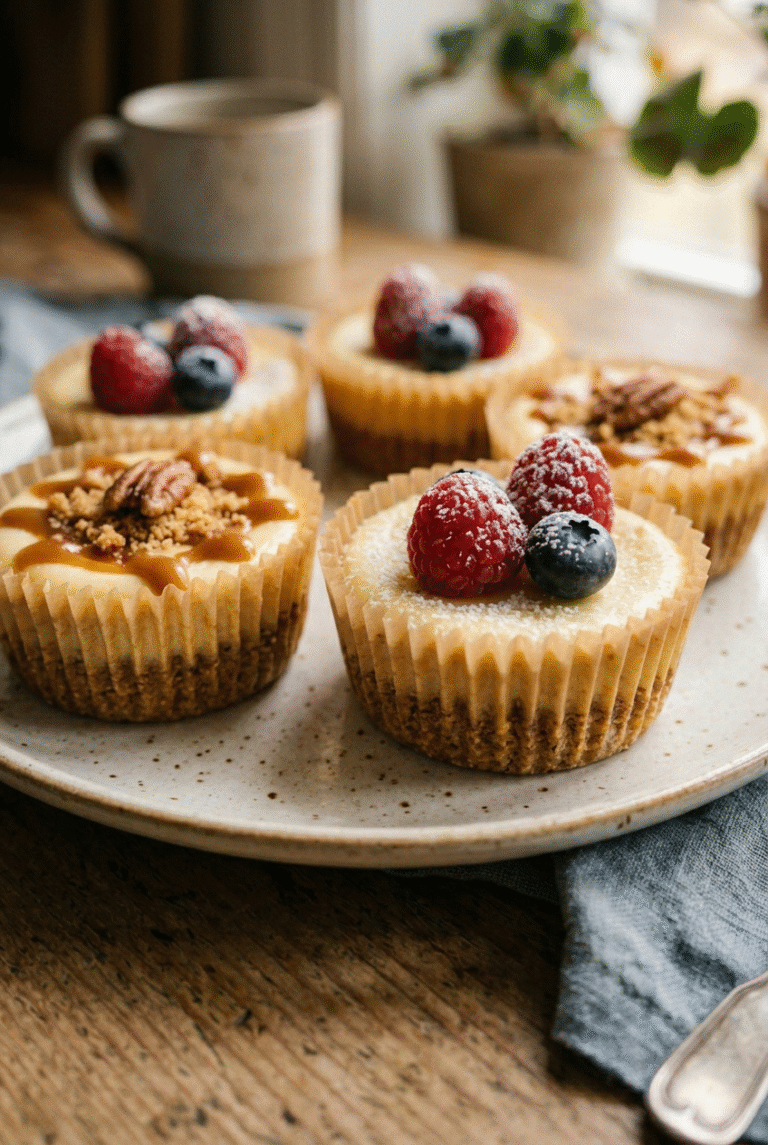
The possibilities for toppings are nearly endless. Fresh berries are always elegant, while caramel or chocolate ganache adds decadence. For a lighter option, a dollop of whipped cream with a sprinkle of cinnamon provides simple sophistication. Savory variations with herbs and a touch of cheese work wonderfully for brunch or as appetizers.
Mastering Mini Cheesecakes: Advanced Tips and Variations
Once you’ve mastered the basic recipe, these expert tips and creative variations will help you take your mini cheesecakes to the next level. Whether you’re aiming for visual perfection or wanting to impress with unique flavor combinations, these techniques will set your creations apart.
Professional Techniques for Superior Results
The temperature of your ingredients dramatically affects the final texture of your cheesecakes. Always bring cream cheese, eggs, and sour cream to room temperature before beginning. Cold ingredients create lumps that are difficult to eliminate, and overmixing to remove lumps incorporates too much air, leading to cracks.
For an exceptionally smooth filling, try using a food processor instead of a mixer. This method breaks down any small lumps more effectively and creates a velvety texture. Just be careful not to overprocess once the eggs are added, as this can still lead to excess air incorporation.
A water bath isn’t strictly necessary for mini cheesecakes, but it can help achieve a more custard-like texture. To create one, place your muffin tin inside a larger roasting pan and carefully pour hot water into the larger pan until it reaches halfway up the sides of the muffin tin. Bake as usual, being extremely careful when removing the pans from the oven.
Exciting Flavor Variations
Transform your basic mini cheesecakes into gourmet treats with these flavor combinations:
| Flavor Profile | Additions | Recommended Topping |
|---|---|---|
| Chocolate Lovers | 3 tablespoons cocoa powder, 2 tablespoons sugar | Chocolate ganache, chocolate shavings |
| Classic New York | Add 1/4 cup sour cream, reduce lemon juice to 1/2 teaspoon | Strawberry compote, whipped cream |
| Tropical Paradise | Replace lemon juice with 1 teaspoon coconut extract | Toasted coconut, pineapple chunks |
| Coffeehouse | 2 tablespoons dissolved instant coffee | Chocolate-covered espresso beans |
| Berry Delight | 1 teaspoon lemon zest, 1/2 teaspoon almond extract | Mixed berries, berry coulis |
Presentation and Garnishing Ideas
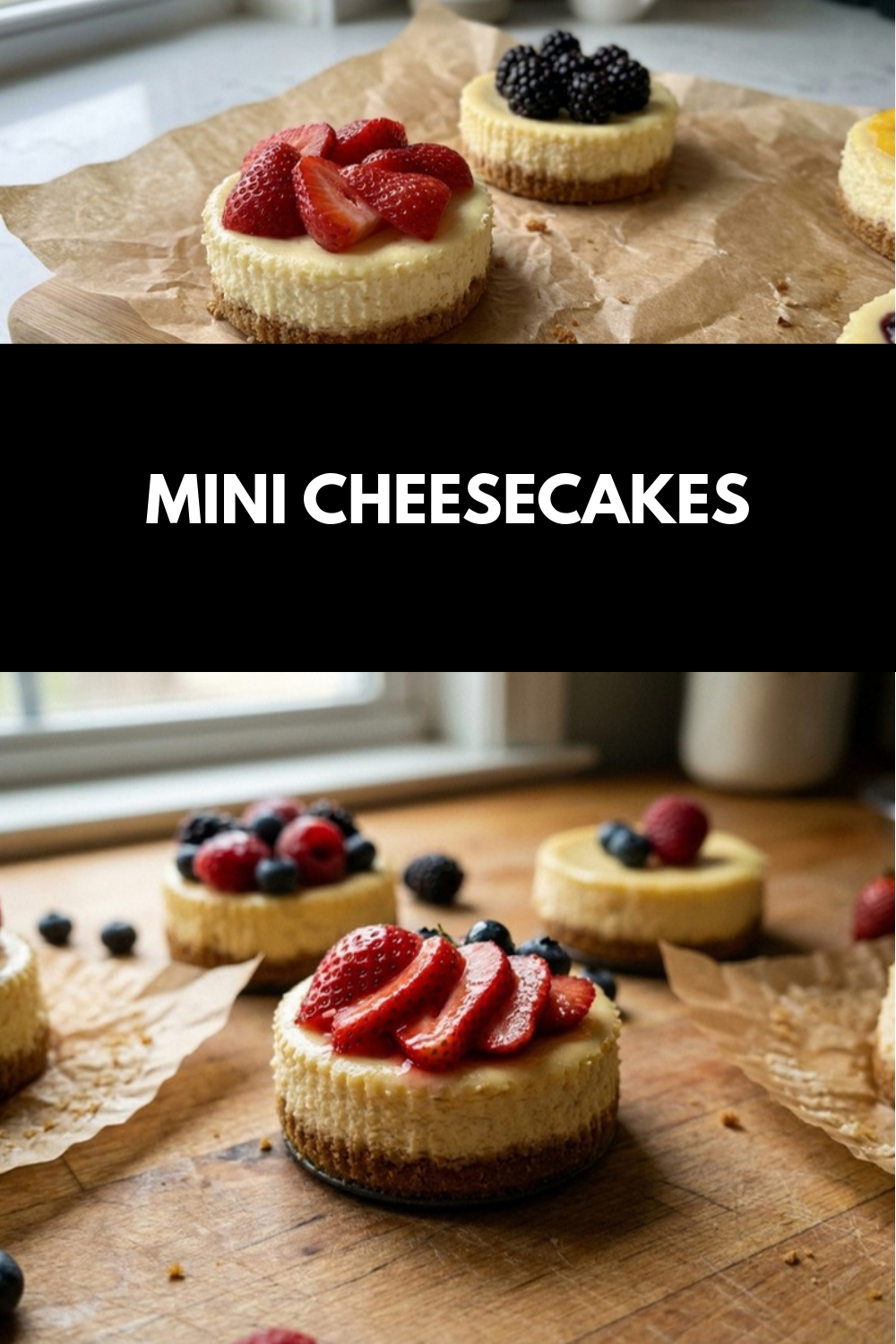
The visual appeal of your mini cheesecakes can be just as important as their taste. Consider removing the paper liners before serving for a more elegant presentation. Gently peel the paper away, starting from one edge, and place the cheesecakes on a decorative serving platter.
For a professional touch, use a piping bag to add toppings. Whipped cream can be piped in attractive patterns, and fruit coulis or chocolate ganache creates stunning designs. A simple sprinkle of powdered sugar or edible flowers adds sophistication without overwhelming the palate.
Consider creating a cheesecake bar at your next gathering. Serve plain mini cheesecakes with an array of toppings like fresh berries, chocolate sauce, caramel, crushed nuts, and whipped cream. This interactive approach lets guests customize their desserts and adds an element of fun to your entertaining.
Make-Ahead Strategies for Busy Hosts
Mini cheesecakes are perfect for advance preparation, making them ideal for busy hosts. The crusts can be prepared up to two days ahead and stored at room temperature in an airtight container. Simply add the filling and bake when you’re ready.
Once baked and cooled, the cheesecakes can be refrigerated for up to 5 days, making them an excellent option for weekend meal prep. They actually develop a deeper, more mature flavor after a day or two in the refrigerator.
For longer storage, freeze the cheesecakes without toppings. Wrap each one individually in plastic wrap, then place them in a freezer bag or container. They’ll keep for up to 3 months. Thaw overnight in the refrigerator before adding toppings and serving. This makes it easy to have homemade treats on hand for unexpected guests.
How to Store Mini Cheesecakes: Best Practices
Proper storage ensures your mini cheesecakes maintain their delicious taste and perfect texture. Whether you’re saving leftovers or preparing in advance for a special occasion, these storage guidelines will help keep your treats at their best.
Refrigeration Guidelines
Freshly baked mini cheesecakes should be cooled to room temperature before refrigeration. This prevents condensation from forming, which can make the crust soggy. Once cooled, place them in an airtight container and refrigerate for up to 5 days. If your container isn’t tall enough to accommodate the cheesecakes without touching the lid, use toothpicks to support a layer of plastic wrap above them.
For cheesecakes with perishable toppings like fresh fruit or whipped cream, consume within 2-3 days for best quality. The moisture from these toppings can gradually soften the crust over time. If you know you won’t finish them quickly, consider adding toppings just before serving.
Freezing for Long-Term Storage
Freezing is an excellent option for preserving mini cheesecakes for extended periods. Wrap each cheesecake individually in plastic wrap, ensuring no parts are exposed to air. Then place the wrapped cheesecakes in a freezer-safe bag or container. Label with the date so you can track freshness.
Frozen mini cheesecakes maintain their quality for up to 3 months. When you’re ready to enjoy them, transfer the desired number to the refrigerator and let thaw overnight. For quicker thawing, individual cheesecakes can be left at room temperature for 1-2 hours, though this may slightly affect the texture.
Storage Tip: If you plan to freeze cheesecakes for later, add fresh toppings only after thawing. Freezing can change the texture of fruits and whipped cream, making them less appealing when defrosted.
Reheating and Serving
Mini cheesecakes are traditionally served chilled, but some people prefer them slightly closer to room temperature to enhance the flavor profile. If refrigerated, let them sit out for 15-20 minutes before serving. This allows the cream cheese flavor to come through more fully while still maintaining a firm texture.
If you’ve frozen your cheesecakes, avoid using the microwave to thaw them, as this can create hot spots and alter the texture. The slow, gentle thawing method in the refrigerator yields the best results. Once thawed, consume within 3 days for optimal taste and texture.
Meal Prep Considerations
Mini cheesecakes make excellent additions to meal prep routines. Bake a batch on Sunday and enjoy homemade treats throughout the week without additional effort. They pair wonderfully with coffee for breakfast or serve as a satisfying dessert after dinner.
For portion control, consider freezing cheesecakes individually. This prevents mindless snacking and ensures you only thaw what you plan to eat. The individual portions also make them perfect for packing in lunch containers for a special midday treat.
FAQs: Frequently Asked Questions About Mini Cheesecakes
What size pan do I need for mini cheesecakes?
Use a standard 12-count muffin pan lined with paper liners for classic mini cheesecakes—this yields about 12 treats. For super mini versions, switch to a 24-count mini muffin pan, which makes around 30 bite-sized ones. Press the graham cracker crust firmly into the liners (about 1 tablespoon per mini muffin cup, 2 for standard). Adjust baking time slightly for minis: 15-18 minutes until edges set and centers jiggle lightly. Always cool in the pan before chilling to prevent sticking. This setup ensures even baking and easy removal.
What type of cream cheese works best for mini cheesecakes?
Stick to full-fat cream cheese in bricks (like Philadelphia), not the spreadable tub variety, for a creamy texture that holds up during baking. You’ll need 16 ounces (two 8-oz blocks) softened at room temperature. Avoid low-fat or whipped versions, as they lead to cracks or runny filling. Beat the cream cheese alone first to eliminate lumps, then add sugar, eggs, sour cream, and vanilla gradually. This method gives smooth, dense cheesecakes that don’t sink much after cooling. Pro tip: Cut bricks into chunks for faster softening.
How long to bake mini cheesecakes and do I need a water bath?
Bake in a preheated 325°F oven for 18-22 minutes until edges are set and centers have a slight jiggle—like Jell-O—when gently tapped. A water bath is optional but helps: Place the muffin pan in a larger pan with 1 inch of hot water, creating steam to prevent sinking and cracks as they cool. Skip it if you’re short on time, but cover loosely with foil if tops brown too fast. Cool in the pan 30 minutes, then refrigerate 4+ hours. Expect minor sinking; it’s normal and tops perfectly with fruit or whipped cream.
Can I make mini cheesecakes ahead of time?
Yes, prepare unfilled crusts and store at room temp up to 2 days, or assemble through filling and refrigerate 2-3 days before baking. Baked cheesecakes keep in the fridge up to 5 days in an airtight container, or freeze up to 3 months: Wrap individually in plastic, then foil, and thaw overnight in the fridge. This makes them ideal for parties. Avoid freezing unbaked filled ones, as texture suffers. Label with dates for easy tracking, and serve chilled for best firmness.
Can I substitute ingredients in mini cheesecake recipe?
For sour cream (¼ cup), use plain full-fat Greek yogurt—same tang and creaminess without altering bake time. Skip heavy whipping cream; it makes filling too loose. Pre-made graham cracker crumbs work for the crust (1¼ cups), but measure by volume since grind size varies—add 5 tablespoons melted butter and 2 tablespoons sugar, press firmly. Room-temp eggs (2 large) are key for smooth batter; cold ones cause lumps. No subs for full-fat brick cream cheese. Test one batch first if tweaking to nail the texture.
Mini Cheesecakes
🍰 Indulge in creamy, rich Mini Cheesecakes that are easy to make and portion-controlled for guilt-free dessert delight!
🧁 Perfect for parties or snacks, these no-fuss treats deliver full cheesecake flavor in bite-sized bliss without cracking worries.
- Total Time: 3 hours 40 minutes
- Yield: 12 mini cheesecakes
Ingredients
– 1 cup graham cracker crumbs (about 8 full-sheet graham crackers)
– 2 tablespoons granulated sugar
– 3 tablespoons unsalted butter (melted)
– 16 ounces full-fat brick cream cheese (softened to room temperature)
– 1/2 cup granulated sugar
– 1/4 cup full-fat sour cream (at room temperature)
– 1 teaspoon pure vanilla extract
– 1 teaspoon freshly squeezed lemon juice
– 2 large eggs (at room temperature)
Instructions
1-Preparation and Mise en Place: Before starting, ensure all your ingredients are at room temperature. This is crucial for achieving a smooth, lump-free batter. Take the cream cheese, eggs, and sour cream out of the refrigerator at least one hour before you plan to begin baking. This simple step makes a significant difference in the final texture of your cheesecakes. Preheat your oven to 325°F (165°C) and position a rack in the center of the oven. Line a standard 12-count muffin tin with paper liners. Using liners makes removal effortless and adds a nice touch for serving. If you prefer, you can also use silicone muffin cups, which don’t require liners and pop out easily.
2-Creating the Graham Cracker Crust: First, prepare the crust by combining 1 cup graham cracker crumbs, 2 tablespoons granulated sugar, and 3 tablespoons melted unsalted butter in a medium bowl. Mix thoroughly until all the crumbs are evenly moistened. The mixture should hold together when pressed but shouldn’t be overly wet. Place approximately 1 tablespoon of the crust mixture into each muffin cup liner. Use the back of a teaspoon or a small measuring spoon to press the crumbs firmly and evenly into the bottom of each cup. Creating a compact crust helps it hold together and provides a solid foundation for the filling. Set aside while you prepare the filling.
3-Mixing the Cream Cheese Filling: In a large mixing bowl, beat 16 ounces softened full-fat brick cream cheese with an electric mixer on medium speed until completely smooth and creamy. This usually takes about 2-3 minutes. Starting with the cream cheese alone helps eliminate lumps more effectively than adding other ingredients right away. Add 1/2 cup granulated sugar to the cream cheese and beat until well combined, about 1 minute. The sugar should be fully dissolved into the cream cheese mixture. Scrape down the sides of the bowl to ensure everything is incorporated evenly. Add 1/4 cup full-fat sour cream, 1 teaspoon pure vanilla extract, and 1 teaspoon freshly squeezed lemon juice. Mix on low speed until just combined. Avoid overmixing at this stage, as incorporating too much air can lead to cracks during baking. Finally, add 2 large eggs, one at a time, mixing on low speed after each addition until just blended. Once the eggs are incorporated, stop mixing immediately. Overmixing eggs can cause the cheesecakes to puff up and then deflate, creating an undesirable texture.
4-Baking to Perfection: Distribute the filling evenly among the muffin cups, filling each about three-quarters full. A standard ice cream scoop works wonderfully for portioning the batter consistently. Gently tap the muffin tin on the counter once or twice to release any air bubbles trapped in the batter. Place the muffin tin in the preheated oven and bake for 18-22 minutes. The cheesecakes are done when the edges are set and slightly puffy, but the centers still have a slight jiggle when you gently tap the pan. They shouldn’t be liquid, but they shouldn’t be completely firm either they’ll continue to set as they cool. Remove from the oven and place on a wire cooling rack. Let the cheesecakes cool completely in the pan, about 30-60 minutes. This gradual cooling helps prevent cracks from forming. Once cooled, refrigerate for at least 4 hours or overnight to allow them to set completely. This chilling period is essential for achieving that perfect cheesecake texture.
Last Step:
Please leave a rating and comment letting us know how you liked this recipe! This helps our business to thrive and continue providing free, high-quality recipes for you.Notes
🌡️ Ensure all dairy ingredients are at room temperature to avoid lumps in the filling.
❄️ Chill cheesecakes for at least 3 hours or overnight for the best texture and flavor.
🎨 Customize with toppings like fresh berries, chocolate ganache, or lemon curd for variety.
- Prep Time: 20 minutes
- Chill Time: 3 hours
- Cook Time: 18-22 minutes
- Category: Desserts
- Method: Baking
- Cuisine: American
- Diet: Vegetarian
Nutrition
- Serving Size: 1 mini cheesecake
- Calories: 255 kcal
- Sugar: 15g
- Sodium: 180mg
- Fat: 20g
- Saturated Fat: 11g
- Unsaturated Fat: 7g
- Trans Fat: 0g
- Carbohydrates: 16g
- Fiber: 0g
- Protein: 4g
- Cholesterol: 75mg