
Why You’ll Love This Oyster Stew
Imagine curling up with a warm, comforting bowl of oyster stew on a cool evening, where the creamy broth and fresh oysters come together in perfect harmony. Oyster stew offers an easy way to enjoy the rich flavors of the sea without spending hours in the kitchen, making it ideal for home cooks who value quick yet satisfying meals. Let’s break down why this recipe has become a favorite for so many.
First, the ease of preparation stands out, as this oyster stew comes together in just about 30 minutes with simple steps anyone can follow. You’ll appreciate how it uses everyday ingredients to create something special, perfect for busy parents or students looking for a quick dinner. Plus, the health benefits are a big draw, with fresh oysters bringing in protein, vitamins, and minerals like zinc and iron that make this dish both nourishing and heart-friendly.
Another highlight is its versatility, allowing you to tweak the recipe for different tastes or dietary needs without losing that distinctive flavor. Oyster stew’s briny taste from fresh oysters mixed with a creamy base sets it apart from other soups, drawing in food enthusiasts and travelers who enjoy seafood adventures. Whether you’re a newlywed hosting a cozy night in or a working professional needing a simple meal, this stew adapts beautifully.
Beyond its flavors, oyster stew shines in its adaptability for gluten-free, low-calorie, or even vegan options, ensuring everyone at the table can enjoy it. This means busy parents can whip it up for the family or seniors can savor a lighter version with ease. For those moments when you want to impress at a gathering, the rich profile of oyster stew makes it a go-to choice that feels both comforting and elegant.
Key Features of the Recipe
To really highlight what makes this oyster stew special, consider its total preparation time: just 5 minutes of prep and 25 minutes of cooking, adding up to 30 minutes overall. Tips like using a double boiler to prevent scorching the milk can make the process even smoother, while fresh shucked oysters ensure the best taste, especially if bought during months with an “R” in them. These elements combine to create a dish that’s not only delicious but also practical for everyday life.
Jump to:
- Why You’ll Love This Oyster Stew
- Key Features of the Recipe
- Essential Ingredients for Oyster Stew
- Special Dietary Options
- How to Prepare the Perfect Oyster Stew: Step-by-Step Guide
- Tips for the Best Results
- Dietary Substitutions to Customize Your Oyster Stew
- Mastering Oyster Stew: Advanced Tips and Variations
- Creative Variations
- How to Store Oyster Stew: Best Practices
- FAQs: Frequently Asked Questions About Oyster Stew
- What is oyster juice and why should I save it when making oyster stew?
- Can I substitute fresh oysters with canned oysters in oyster stew?
- What type of pepper is called for in traditional oyster stew recipes?
- How can I make oyster stew creamier without overpowering the oyster flavor?
- Is oyster stew traditionally served with any specific sides or garnishes?
- Oyster Stew
- Ingredients
- Instructions
- Last Step:
- Notes
- Nutrition
- Did you make this recipe?
Essential Ingredients for Oyster Stew
Gathering the right ingredients is the first step to creating a delicious oyster stew with creamy broth and fresh oysters. This section focuses on the key items you’ll need, drawing from a tried-and-true recipe that balances simplicity and flavor. By using these components, you can craft a stew that’s rich, comforting, and easy to customize.
- 4 tablespoons butter
- 1 large onion, finely diced
- 2 garlic cloves, grated or minced
- 1/4 teaspoon ground red pepper
- 1/4 teaspoon paprika
- 1/4 teaspoon salt
- 1/2 teaspoon ground black pepper
- 6 cups whole milk or half and half
- 1 teaspoon dried parsley
- 16 ounces fresh raw oysters, undrained
This list covers everything required for the recipe, ensuring you have precise measurements for a smooth cooking experience. Fresh oysters bring that briny essence to your oyster stew recipe with fresh oysters, while butter and milk create the creamy broth everyone loves. Remember, these ingredients work together to make the dish adaptable for various diets, like vegan swaps or gluten-free versions.
Special Dietary Options
For those with specific needs, you can easily adjust this oyster stew recipe with creamy broth. A vegan version might swap fresh oysters for king oyster mushrooms and use coconut cream instead of dairy milk. If you’re watching calories, opt for low-fat milk to keep things light while maintaining that creamy texture everyone enjoys.
How to Prepare the Perfect Oyster Stew: Step-by-Step Guide
Getting started with this oyster stew recipe is straightforward and fun, turning simple ingredients into a cozy meal. Begin by preparing your fresh oysters, which are the heart of any great oyster stew. Follow these steps to ensure your dish turns out just right, with that creamy broth shining through.
- Melt 4 tablespoons butter over medium heat in a heavy-bottom 3-quart saucepan.
- Add 1 large onion, finely diced, and sauté until tender, about 5 minutes.
- Add 2 garlic cloves, grated or minced, and continue to sauté for 1-2 minutes, being careful not to burn the garlic.
- Stir in 1/4 teaspoon ground red pepper, 1/4 teaspoon paprika, 1/4 teaspoon salt, and 1/2 teaspoon ground black pepper. Toast the seasonings by stirring for about 1 minute.
- Drain the 16 ounces fresh raw oysters and reserve the oyster liquid.
- Reduce heat to low, add 6 cups whole milk or half and half, 1 teaspoon dried parsley, and the reserved oyster liquid.
- Cook over low heat until hot and beginning to steam, with bubbles just appearing around the edge, but do not let it boil.
- Add the oysters and cook over low heat for a few minutes until oysters start to curl on the edges.
- Adjust salt and pepper to taste and serve warm.
This method keeps your oyster stew recipe with fresh oysters gentle and flavorful, avoiding any boiling to preserve the creamy broth. For added ease, consider prepping ingredients ahead, which works well for busy schedules. Once ready, this stew offers a warm hug in a bowl, perfect for family dinners.
Tips for the Best Results
While following the steps, keep an eye on the heat to prevent scorching, as suggested in the tips. If you’re making substitutions, like for a vegan option, this guide adapts easily. For more dessert ideas that pair well, check out our banana bread coffee cake recipe for a sweet finish to your meal.

Dietary Substitutions to Customize Your Oyster Stew
Making oyster stew work for your needs is simple with a few smart swaps, keeping that creamy broth intact. Whether you’re aiming for a vegan twist or something lighter, these changes let you enjoy the recipe without missing a beat. Let’s look at how to personalize this oyster stew based on common preferences.
- Replace fresh oysters with king oyster mushrooms for a plant-based option.
- Use canned oysters if fresh ones aren’t available, but adjust cooking time to keep them tender.
- Swap celery with fennel or leeks for a fresh flavor variation.
- Add cayenne pepper or smoked paprika for a spicier kick.
- Opt for coconut milk or almond milk instead of dairy to accommodate lactose intolerance.
These adjustments ensure your oyster stew remains versatile and delicious. For anyone exploring similar recipes, our strawberry crinkle cookies could inspire a fun dessert pairing. Remember, the goal is to enhance the oyster stew’s natural briny taste while meeting dietary goals.
Mastering Oyster Stew: Advanced Tips and Variations
Taking your oyster stew to the next level involves a few pro techniques that make the creamy broth even better. Start by using low heat to keep oysters tender and avoid any rubbery texture, which is key for a top-notch oyster stew. Experimenting with flavors can add excitement to this classic dish.
For instance, try adding a splash of white wine for extra depth, or mix in fresh herbs like tarragon to complement the seafood. Presentation matters too, so serve in warm bowls with a garnish of parsley for that inviting look. If you’re planning ahead, prepare the base broth and veggies in advance, then add oysters right before serving to lock in freshness.
Creative Variations
One fun way to vary your oyster stew is by incorporating elements from other recipes, such as using techniques from our dessert guides. These expert tips not only elevate the dish but also make it more efficient for everyday cooking. Plus, learning about oyster health through resources like health benefits of oysters can inspire you to enjoy this stew more often.
How to Store Oyster Stew: Best Practices
Storing your oyster stew properly helps keep it tasty for leftovers, ensuring you can enjoy that creamy broth later. Always cool the stew quickly before putting it away to maintain its quality. Here are some straightforward guidelines to follow.
| Storage Method | Details |
|---|---|
| Refrigeration | Store in an airtight container for up to 2 days to keep flavors fresh. |
| Freezing | Not ideal for oysters; freeze only the broth and add fresh oysters when reheating. |
| Reheating | Gently warm over low heat, stirring to avoid curdling, and never boil. |
These practices help preserve the essence of your oyster stew recipe with fresh oysters. For meal prep, make the base ahead and add oysters fresh for the best results.
FAQs: Frequently Asked Questions About Oyster Stew
What is oyster juice and why should I save it when making oyster stew?
Oyster juice, also known as oyster liquor, is the natural liquid found inside the oyster shell. It adds a rich, briny flavor to oyster stew, enhancing the overall taste. When making oyster stew, saving the oyster juice is important because it is added along with the milk and other ingredients, contributing to the stew’s seafood essence and depth.
Can I substitute fresh oysters with canned oysters in oyster stew?
Yes, canned oysters can be used as a convenient alternative to fresh oysters in oyster stew. However, fresh oysters provide a fresher, brinier flavor and a firmer texture. If using canned oysters, drain them well but consider adding a little of their liquid for flavor. Fresh oysters are preferred for the best taste, especially when cooking for special occasions.
What type of pepper is called for in traditional oyster stew recipes?
Traditional oyster stew recipes often call for ground red pepper, which usually means ground cayenne pepper or chili powder. This spice adds a subtle heat and livens up the mild flavors of the oysters and milk-based broth. Use it sparingly to balance the stew without overpowering the delicate oyster taste.
How can I make oyster stew creamier without overpowering the oyster flavor?
To make oyster stew creamier, use whole milk or a combination of milk and light cream. Avoid heavy cream as it can mask the oyster’s delicate taste. Adding butter and gently simmering the milk with the oyster liquor also helps develop richness without overwhelming the dish. Stir gently to avoid curdling.
Is oyster stew traditionally served with any specific sides or garnishes?
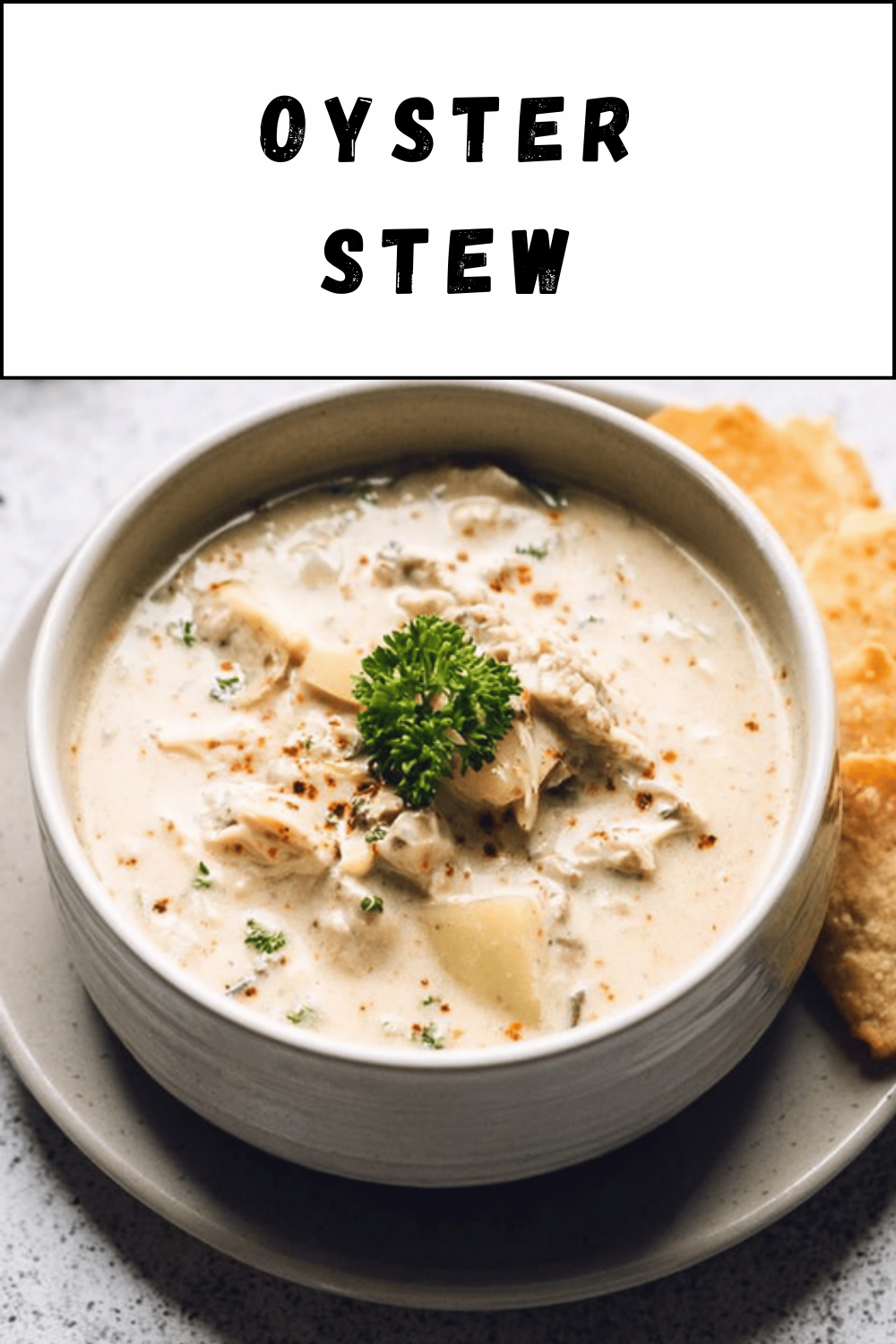
Oyster stew is often served with crusty bread, crackers, or oyster crackers on the side. Chopped fresh parsley or a sprinkle of ground black or red pepper makes a simple garnish that adds color and an extra layer of flavor. Serving the stew hot ensures the best experience of the creamy broth and tender oysters.
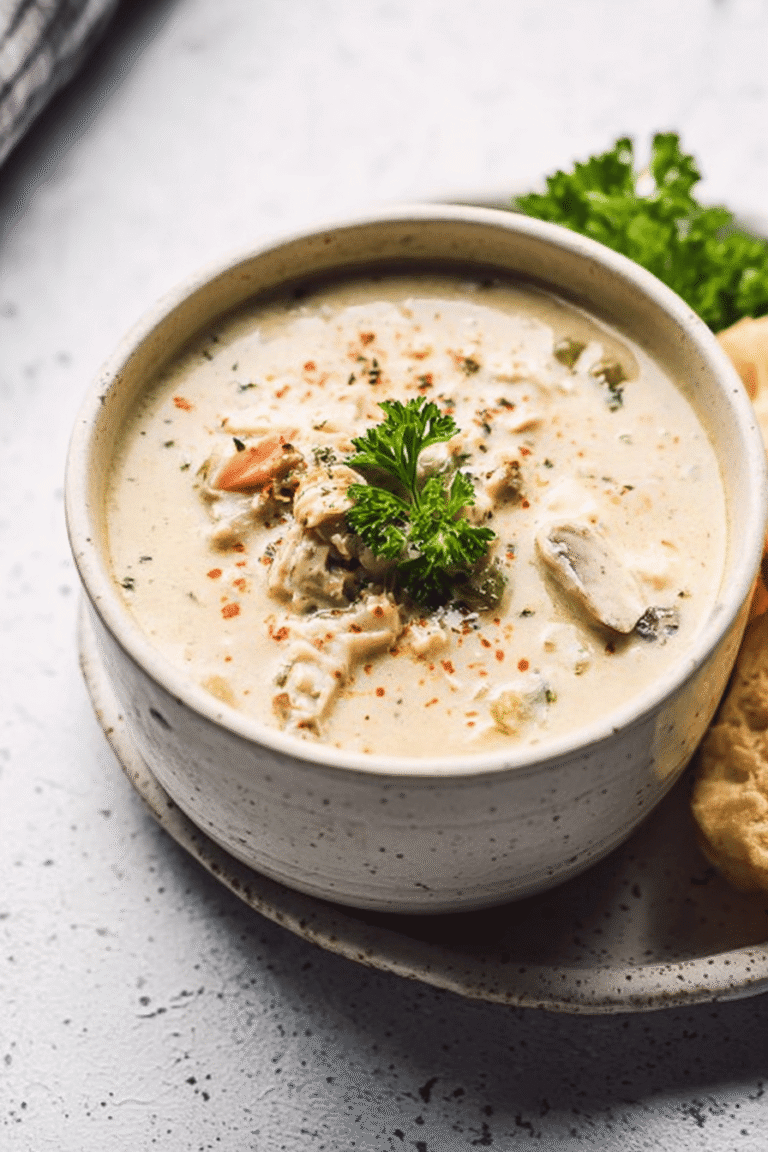
Oyster Stew
🦪 Savor the rich and creamy flavors of this classic oyster stew, perfect for a comforting and nourishing meal.
🍲 Made with fresh oysters and a smooth broth, this recipe is simple to prepare and ideal for seafood lovers wanting a hearty dish.
- Total Time: 30 minutes
- Yield: 4 servings 1x
Ingredients
4 tablespoons butter
1 large onion, finely diced
2 garlic cloves, grated or minced
1/4 teaspoon ground red pepper
1/4 teaspoon paprika
1/4 teaspoon salt
1/2 teaspoon ground black pepper
6 cups whole milk or half and half
1 teaspoon dried parsley
16 ounces fresh raw oysters, undrained
Instructions
1-Melt 4 tablespoons butter over medium heat in a heavy-bottom 3-quart saucepan.
2-Add 1 large onion, finely diced, and sauté until tender, about 5 minutes.
3-Add 2 garlic cloves, grated or minced, and continue to sauté for 1-2 minutes, being careful not to burn the garlic.
4-Stir in 1/4 teaspoon ground red pepper, 1/4 teaspoon paprika, 1/4 teaspoon salt, and 1/2 teaspoon ground black pepper. Toast the seasonings by stirring for about 1 minute.
5-Drain the 16 ounces fresh raw oysters and reserve the oyster liquid.
6-Reduce heat to low, add 6 cups whole milk or half and half, 1 teaspoon dried parsley, and the reserved oyster liquid.
7-Cook over low heat until hot and beginning to steam, with bubbles just appearing around the edge, but do not let it boil.
8-Add the oysters and cook over low heat for a few minutes until oysters start to curl on the edges.
9-Adjust salt and pepper to taste and serve warm.
Last Step:
Please leave a rating and comment letting us know how you liked this recipe! This helps our business to thrive and continue providing free, high-quality recipes for you.Notes
🌶️ Adjust spices as needed to suit your preferred heat level.
🔥 Use a double boiler or monitor heat carefully to prevent milk from scorching.
🦪 Choose fresh shucked oysters, preferably in months with an “R” for best quality.
- Prep Time: 5 minutes
- Cook Time: 25 minutes
- Category: Soup
- Method: Sautéing, Simmering
- Cuisine: American
- Diet: Gluten-Free
Nutrition
- Serving Size: 1 cup