
Why You’ll Love This Pink Jelly Cakes
Pink jelly cakes are a delightful Australian classic that bring a touch of nostalgia to any occasion, blending soft sponge cakes with a vibrant pink hue. These traditional treats feature a simple yet irresistible combination of raspberry jelly, a crunchy coating of desiccated coconut, and a creamy filling that makes them perfect for afternoon tea or dessert. If you’re a home baker looking for an easy recipe with a fun twist, this one will quickly become your go-to option, especially when you’re sharing it with family or friends during gatherings. They’re not only tasty but also adaptable, fitting into various diets while offering a fresh take on old-fashioned favorites.
One reason you’ll adore these pink jelly cakes is their ease of preparation, allowing even beginners to whip up a batch in under 30 minutes of active time. With straightforward steps and minimal ingredients, you can enjoy a homemade dessert without spending hours in the kitchen. Plus, the natural fruit extracts from the raspberry jelly provide health benefits like antioxidants, making this a lighter option compared to many sugary treats. Whether you’re a busy parent, a student, or a baking enthusiast, these cakes adapt effortlessly to different dietary needs, like vegan or gluten-free versions, ensuring everyone at your table can indulge.
Beyond their simplicity, pink jelly cakes stand out for their versatility in everyday life. You can serve them at parties, pack them for picnics, or even enjoy them as a quick snack during a busy workday. The distinctive flavor, with its tangy raspberry notes and soft coconut texture, creates a memorable experience that echoes traditional Australian recipes. For food enthusiasts and travelers seeking authentic tastes, these cakes evoke the charm of mid-20th-century afternoon teas, adding a cultural element to your baking adventures on my blog at Today Recipe Hub, where we focus on refreshing recipes for all skill levels.
Health and Dietary Highlights
These pink jelly cakes are packed with natural fruit extracts and low in added sugars, supporting wellness without sacrificing flavor. They’re rich in antioxidants from the raspberries, offering a nutritious treat option that appeals to diet-conscious individuals. For busy parents and working professionals, the low-calorie profile makes them a smart choice for guilt-free snacking. Travelers and newlyweds might appreciate how they fit into on-the-go lifestyles, while seniors can enjoy the soft texture that’s easy to eat.
Jump to:
- Why You’ll Love This Pink Jelly Cakes
- Health and Dietary Highlights
- Essential Ingredients for Pink Jelly Cakes
- How to Prepare the Perfect Pink Jelly Cakes: Step-by-Step Guide
- Cooling and Assembling
- Dietary Substitutions to Customize Your Pink Jelly Cakes
- Mastering Pink Jelly Cakes: Advanced Tips and Variations
- Flavor and Presentation Ideas
- How to Store Pink Jelly Cakes: Best Practices
- FAQs: Frequently Asked Questions About Pink Jelly Cakes
- What exactly are pink jelly cakes and where do they come from?
- How do you make the jelly coating for pink jelly cakes?
- What is the best way to assemble and store pink jelly cakes?
- Can I use substitutions for any ingredients in pink jelly cakes?
- Why do pink jelly cakes have a soft texture and how can I avoid them becoming soggy?
- Pink Jelly Cakes
- Ingredients
- Instructions
- Last Step:
- Notes
- Nutrition
- Did you make this recipe?
Essential Ingredients for Pink Jelly Cakes
When making pink jelly cakes, gathering the right ingredients is key to achieving that perfect balance of flavors and textures. This recipe draws from traditional Australian methods, using simple pantry staples to create mini sponge cakes with a soft pink hue from the raspberry jelly. Below, you’ll find a comprehensive list of everything needed, based on the classic formula that ensures success every time. Remember, precise measurements help avoid any mishaps, so let’s break it down clearly for easy shopping and preparation.
To make these jelly cakes, you’ll need the following ingredients for the main recipe. Each one plays a vital role in creating the light sponge, the tangy jelly coating, and the creamy filling. I’ve formatted this as a structured list to make it straightforward:
- Butter (room temperature): 126 grams (½ cup)
- Caster sugar (superfine): 100 grams (½ cup)
- Eggs (lightly beaten): 2
- Vanilla extract: 1 teaspoon
- Self-raising flour: 200 grams (1½ cups)
- Full-fat milk (room temperature): 125 ml (½ cup)
- Raspberry jelly crystals: 85 grams (1 packet)
- Boiling water: 1 cup
- Cold water: 1 cup
- Desiccated coconut: 120 grams (1½ cups)
- Chantilly cream or whipped cream: 1 cup
For the Chantilly cream specifically, you’ll use:
- Thickened cream: ¾ cup
- Caster sugar: 2 teaspoons
- Vanilla extract: ¼ teaspoon
This list covers all items required, making it simple for home cooks and baking enthusiasts to follow along. If you’re exploring similar tea-time treats like mini scones, you’ll notice how these ingredients overlap for versatile baking.
How to Prepare the Perfect Pink Jelly Cakes: Step-by-Step Guide
Creating pink jelly cakes at home is a fun and rewarding process that results in those charming Australian mini sponge cakes. Start by preparing your jelly mixture, as it needs time to set, which ties into the overall preparation time of about 30 minutes active prep, 15 minutes baking, and 2 hours for chilling. Follow these steps closely to achieve the ideal soft texture and that signature pink hue from the raspberry jelly coating.
First, dissolve the raspberry jelly crystals in 1 cup of boiling water, then add 1 cup of cold water and refrigerate for 1 to 2 hours until it’s thickened but still pourable. This step ensures the jelly coats the cakes evenly without dripping. Next, preheat your oven to 180°C (350°F) and lightly grease two patty pan tins to prevent sticking.
Now, cream the butter and caster sugar until light and fluffy, gradually adding the eggs and vanilla extract while mixing on low speed. Alternate adding the self-raising flour and milk in three additions until just combined, keeping the batter smooth. Portion the batter into the tins using a heaped tablespoon or medium cookie scoop, then bake for 15 minutes or until lightly golden.
Cooling and Assembling
After baking, cool the cakes for 5 to 10 minutes in the tin before removing them to a rack to cool completely. Once cooled, trim the domed tops to make them flat for easy sandwiching. Whip the Chantilly cream ingredients thickened cream, caster sugar, and vanilla extract until stiff peaks form, creating a luscious filling.
Finally, dip each cooled cake into the thickened jelly, roll in desiccated coconut, pipe the Chantilly cream on the flat side, and sandwich the cakes together. Refrigerate for at least 30 minutes to let the jelly soak and soften the sponge. For more inspiration on jelly-based recipes, check out an easy raspberry jelly recipe that complements this one.

Dietary Substitutions to Customize Your Pink Jelly Cakes
Pink jelly cakes are versatile enough to fit various dietary preferences, making them a hit for home cooks, busy parents, and diet-conscious folks alike. By swapping a few ingredients, you can adapt this traditional Australian recipe without losing its charm. For instance, if you’re aiming for a vegan version, consider plant-based substitutes that maintain the soft pink hue and creamy filling.
| Original Ingredient | Substitution Option | Benefit |
|---|---|---|
| Eggs | Aquafaba or flaxseed meal | Vegan-friendly and helps bind the batter |
| Thickened cream | Coconut cream or oat cream | Dairy-free for lactose-intolerant diets |
| Raspberry jelly crystals | Agar-agar based jelly | Gluten-free and plant-based alternative |
These changes keep the cakes light and flavorful, ideal for food enthusiasts exploring new twists on old-fashioned jelly cakes. Protein alternatives like using almond flour instead of self-raising flour can add a nutty depth while staying gluten-free.
Mastering Pink Jelly Cakes: Advanced Tips and Variations
To take your pink jelly cakes to the next level, try some pro techniques that enhance the texture and presentation of these Australian favorites. For a smooth jelly coating, use a double boiler to dissolve the crystals slowly, avoiding lumps for that perfect pink hue. Experimenting with flavors, like infusing the batter with herbal waters, can introduce subtle notes that pair well with the raspberry jam filling.
Flavor and Presentation Ideas
Consider layering different fruit juices for a multi-colored effect, or add citrus zest for extra brightness in your jelly cakes. For presentation, serve them in clear molds to highlight the vibrant colors, and garnish with edible flowers for a touch of elegance. If you’re preparing for a party, make these ahead and store them refrigerated, as they meld flavors beautifully over time, making them a staple for hosts and entertainment enthusiasts.
When baking, always ensure your ingredients are at room temperature for the best results these small details make all the difference in achieving that soft, moist sponge.
For more baking ideas, explore funfetti muffins on the blog, which offer a playful variation to complement your jelly cakes repertoire.
How to Store Pink Jelly Cakes: Best Practices
Proper storage is essential to keep your pink jelly cakes fresh and maintain their soft texture after you’ve assembled them with Chantilly cream and coconut. These cakes, with their raspberry coating, hold up well in the fridge, ensuring the jelly doesn’t make them soggy. Follow these tips to enjoy them at their best, especially if you’re meal prepping for the week ahead.
- Refrigerate in airtight containers for up to 3 days to preserve freshness.
- Freeze individual portions wrapped tightly for up to 1 month, thawing overnight in the fridge.
- Avoid reheating, as it can affect the delicate sponge; serve cold or at room temperature.
- For batch cooking, use single-serving molds to keep portions easy to grab for busy families.
This method helps retain the jelly cakes’ signature moistness without over-softening, making them ideal for seniors or travelers.
FAQs: Frequently Asked Questions About Pink Jelly Cakes
What exactly are pink jelly cakes and where do they come from?
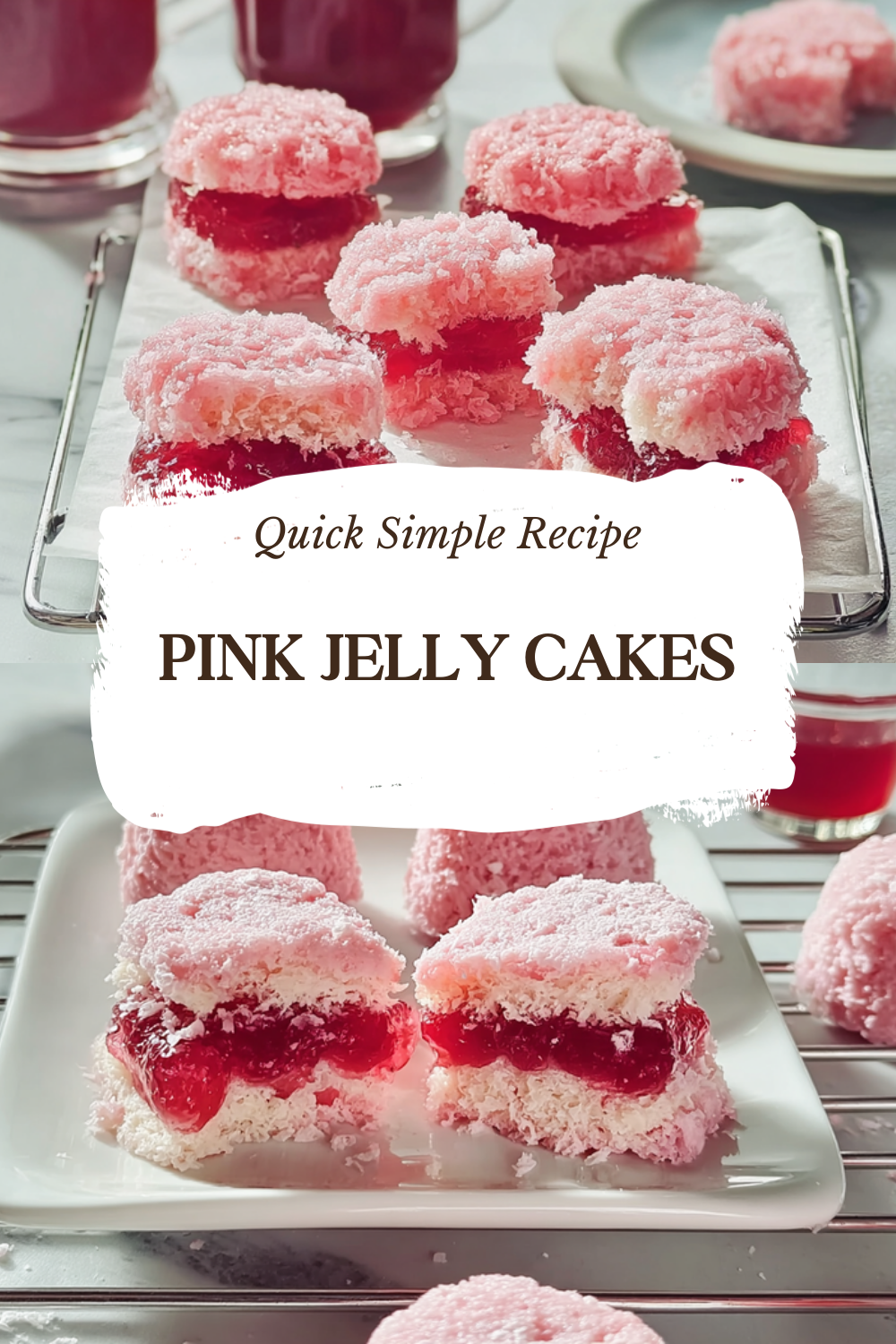
Pink jelly cakes are small, charming Australian treats consisting of two mini sponge cakes tinted pink, filled with sweet chantilly cream, dipped in a layer of softened raspberry jelly, and rolled in desiccated coconut. They became popular in the mid-20th century and are often linked with nostalgic childhood parties and afternoon teas across Australia.
How do you make the jelly coating for pink jelly cakes?
To make the jelly coating, dissolve raspberry jelly crystals in hot water as per packet instructions, then chill the mixture until it thickens but is not fully set—this allows the cakes to be dipped easily without the jelly running off. The slightly thick jelly creates a glossy, flavored coating that sticks well to the sponge before rolling in coconut.
What is the best way to assemble and store pink jelly cakes?
Once the sponge cakes have cooled, sandwich two cakes together with a generous layer of chantilly cream (whipped cream sweetened with sugar and vanilla). Dip the assembled cake in thickened jelly, then roll in desiccated coconut. Store them in an airtight container in the refrigerator for at least 30 minutes to allow the jelly to absorb and soften the sponge for the best texture.
Can I use substitutions for any ingredients in pink jelly cakes?
Yes. For example, you can substitute raspberry jelly crystals with other berry-flavored jelly if preferred. Desiccated coconut can be swapped with finely shredded coconut or omitted (though it adds texture). Chantilly cream can be made with dairy-free cream alternatives to accommodate dietary restrictions, but traditional recipes favor dairy for flavor and consistency.
Why do pink jelly cakes have a soft texture and how can I avoid them becoming soggy?
The soft texture comes from the jelly soaking slightly into the sponge, which gives pink jelly cakes their signature moistness. To prevent sogginess, ensure the jelly used for dipping is thick but still liquid enough to coat without saturating. Refrigerate the cakes promptly and consume within 2-3 days for freshness. Proper chilling helps the jelly set while keeping the sponges tender, not mushy.
Pink Jelly Cakes
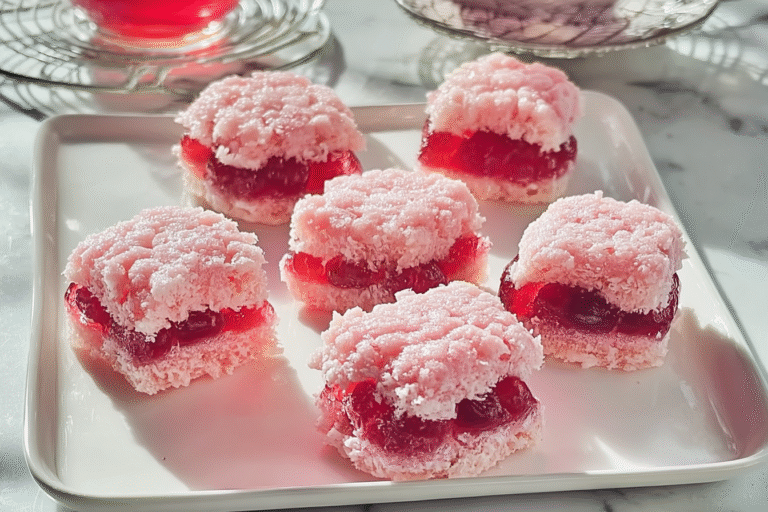
🍰 Experience the nostalgic charm of traditional Australian Pink Jelly Cakes, featuring soft sponge layers soaked in raspberry jelly and coated in coconut
🍓 These delightful mini cakes are filled with creamy Chantilly cream, creating the perfect balance of sweet and tangy for afternoon tea or dessert
- Total Time: 2 hours 45 minutes
- Yield: 12 mini cakes
Ingredients
– 126 grams (½ cup) Butter (room temperature)
– 100 grams (½ cup) Caster sugar (superfine)
– 2 Eggs (lightly beaten)
– 1 teaspoon Vanilla extract
– 200 grams (1½ cups) Self-raising flour
– 125 ml (½ cup) Full-fat milk (room temperature)
– 85 grams (1 packet) Raspberry jelly crystals
– 1 cup Boiling water
– 1 cup Cold water
– 120 grams (1½ cups) Desiccated coconut
– 1 cup Chantilly cream or whipped cream
– ¾ cup Thickened cream
– 2 teaspoons Caster sugar
– ¼ teaspoon Vanilla extract
Instructions
1-Creating pink jelly cakes at home is a fun and rewarding process that results in those charming Australian mini sponge cakes. Start by preparing your jelly mixture, as it needs time to set, which ties into the overall preparation time of about 30 minutes active prep, 15 minutes baking, and 2 hours for chilling. Follow these steps closely to achieve the ideal soft texture and that signature pink hue from the raspberry jelly coating.
2-First, dissolve the raspberry jelly crystals in 1 cup of boiling water, then add 1 cup of cold water and refrigerate for 1 to 2 hours until it’s thickened but still pourable. This step ensures the jelly coats the cakes evenly without dripping. Next, preheat your oven to 180°C (350°F) and lightly grease two patty pan tins to prevent sticking.
3-Now, cream the butter and caster sugar until light and fluffy, gradually adding the eggs and vanilla extract while mixing on low speed. Alternate adding the self-raising flour and milk in three additions until just combined, keeping the batter smooth. Portion the batter into the tins using a heaped tablespoon or medium cookie scoop, then bake for 15 minutes or until lightly golden.
4-Cooling and Assembling After baking, cool the cakes for 5 to 10 minutes in the tin before removing them to a rack to cool completely. Once cooled, trim the domed tops to make them flat for easy sandwiching. Whip the Chantilly cream ingredients thickened cream, caster sugar, and vanilla extract until stiff peaks form, creating a luscious filling.
5-Finally, dip each cooled cake into the thickened jelly, roll in desiccated coconut, pipe the Chantilly cream on the flat side, and sandwich the cakes together. Refrigerate for at least 30 minutes to let the jelly soak and soften the sponge. For more inspiration on jelly-based recipes, check out an easy raspberry jelly recipe that complements this one.
Last Step:
Please leave a rating and comment letting us know how you liked this recipe! This helps our business to thrive and continue providing free, high-quality recipes for you.Notes
⏰ Make the jelly a day ahead for best results – it needs to be thick but still pourable for coating
🥥 Use fresh desiccated coconut for the best texture and flavor – stale coconut can make the cakes taste off
🍯 For a lighter version, substitute some of the butter with Greek yogurt in the sponge batter
- Prep Time: 30 minutes
- Jelly Setting Time: 2 hours
- Cook Time: 15 minutes
- Category: Dessert
- Method: Baking
- Cuisine: Australian
- Diet: Vegetarian
Nutrition
- Serving Size: 1 mini cake
- Calories: 280
- Sugar: 22g
- Sodium: 150mg
- Fat: 14g
- Saturated Fat: 9g
- Unsaturated Fat: 4g
- Trans Fat: 0g
- Carbohydrates: 32g
- Fiber: 2g
- Protein: 3g
- Cholesterol: 45mg