

Why You’ll Love This Roasted Salsa Verde
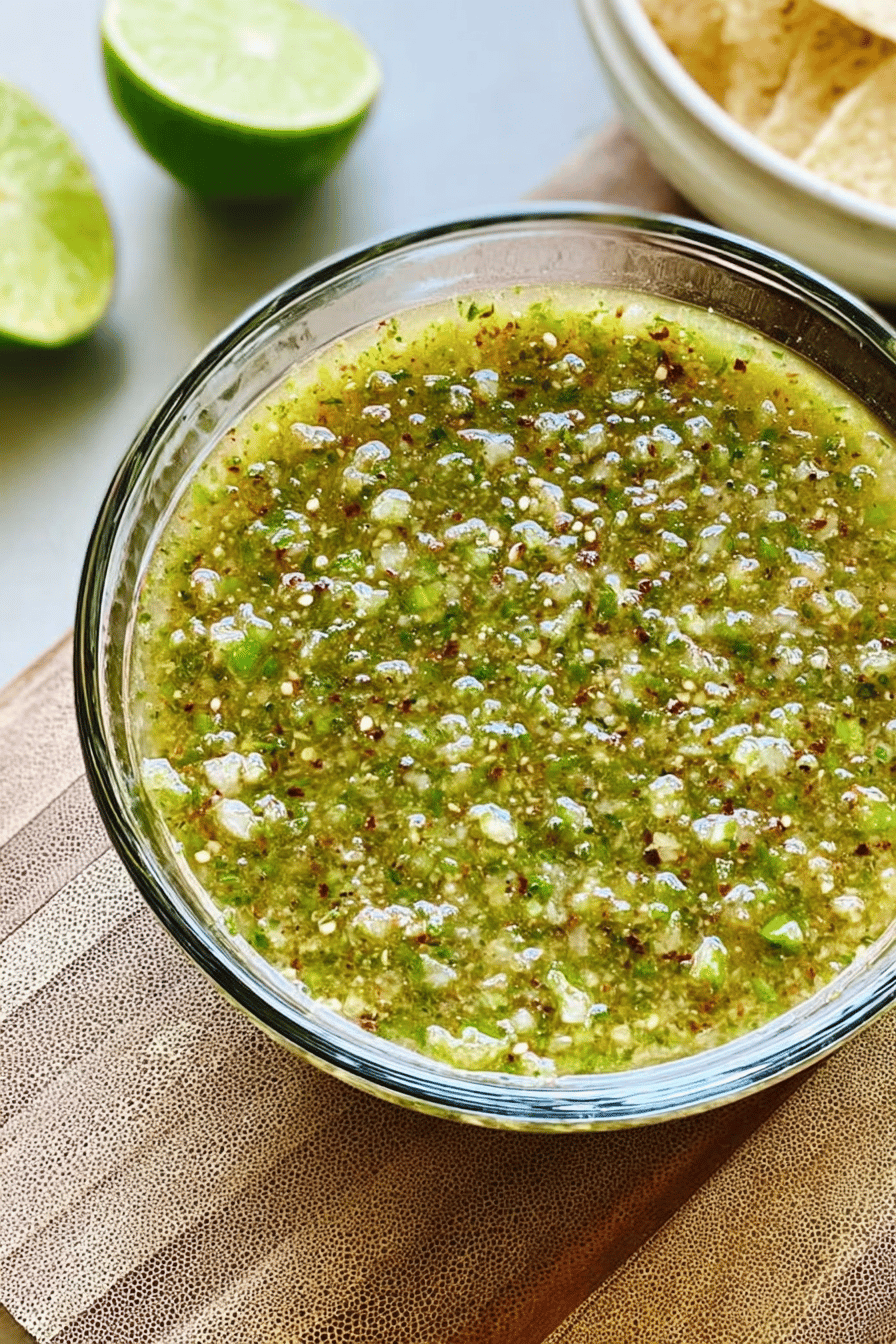
Looking for a fresh, tangy condiment that will brighten up your meals? This roasted salsa verde recipe is exactly what you need in your culinary repertoire. The combination of charred tomatillos, roasted peppers, and aromatic cilantro creates a flavor profile that’s both vibrant and comforting.
This roasted salsa verde recipe is delightfully simple and quick to prepare, allowing you to enjoy vibrant flavors with minimal effort and time in the kitchen. With just 30 minutes from start to finish, you’ll have a homemade sauce that far surpasses anything from a jar.
Packed with fresh ingredients like tomatillos and herbs, this salsa verde offers essential nutrients, antioxidants, and supports a wholesome diet. Tomatillos are particularly rich in vitamin C and fiber, making them a great addition to your healthy eating plan.
The versatility of this recipe is unmatched. Adaptable to various dietary preferences, this roasted salsa verde complements vegan, gluten-free, and low-calorie diets effortlessly. It’s the perfect accompaniment to tacos, grilled meats, eggs, or simply served as a dip with tortilla chips.
What really sets this recipe apart is the distinctive flavor. The roasting process enhances the natural tanginess and adds a smoky depth, making this salsa verde uniquely delicious and refreshing. Once you taste it, you’ll understand why this authentic Mexican sauce has been cherished for generations.
Jump to:
- Why You’ll Love This Roasted Salsa Verde
- Essential Ingredients for Roasted Salsa Verde
- Main Ingredients Insights
- Dietary Information
- How to Prepare the Perfect Roasted Salsa Verde: Step-by-Step Guide
- Dietary Substitutions to Customize Your Roasted Salsa Verde
- Pepper Alternatives
- Herb and Seasoning Variations
- Dietary-Specific Modifications
- Mastering Roasted Salsa Verde: Advanced Tips and Variations
- Pro Cooking Techniques
- Flavor Variations
- Presentation Tips
- Make-Ahead Options
- How to Store Roasted Salsa Verde: Best Practices
- Refrigeration
- Freezing
- Meal Prep Considerations
- FAQs: Frequently Asked Questions About Roasted Salsa Verde
- How do you prepare tomatillos for roasting in salsa verde?
- Should I remove the seeds and skins from peppers before roasting salsa verde?
- When and why do I add chicken broth to roasted salsa verde?
- Can I make roasted salsa verde ahead of time and how should I store it?
- How spicy will roasted salsa verde be, and can I adjust the heat level?
- Roasted Salsa Verde
- Ingredients
- Instructions
- Last Step:
- Notes
- Nutrition
- Did you make this recipe?
Essential Ingredients for Roasted Salsa Verde
Creating the perfect roasted salsa verde begins with selecting the right ingredients. Below you’ll find the exact components needed to craft this flavorful sauce:
- 1 pound (450g) tomatillos, husked and rinsed (approximately 6 medium)
- 1 jalapeño pepper
- 1 serrano pepper
- 2 unpeeled garlic cloves
- 1/2 cup (118ml) chicken broth or vegetable broth
- 1/4 medium onion, chopped
- 1/3 cup loosely packed cilantro leaves and tender stems
- 1 tablespoon lime juice, or more to taste
- 1/2 teaspoon salt, or more to taste
Main Ingredients Insights
The tomatillos provide the tart and tangy base of the salsa. When selecting tomatillos, look for ones that are firm and bright green, with dry, tight-fitting husks. These fruits should be used quickly after purchasing for the best flavor.
The combination of jalapeño and serrano peppers delivers a layered heat profile. Jalapeños offer a moderate heat level, while serranos bring an extra kick. If you’re sensitive to spice, you can reduce the number of peppers or remove their seeds and membranes.
The garlic cloves, when roasted unpeeled, develop a sweet, mellow flavor that balances the tartness of the tomatillos. The broth helps to deglaze the baking dish, capturing all the flavorful browned bits and adding depth.
Dietary Information
This roasted salsa verde naturally accommodates various dietary preferences:
- Vegan: Use vegetable broth instead of chicken broth, and this recipe becomes completely plant-based.
- Gluten-free: All ingredients are naturally gluten-free, making this salsa safe for those with gluten sensitivities.
- Low-calorie: With only 31 calories per 1/4 cup serving, this salsa adds tremendous flavor without adding significant calories.
How to Prepare the Perfect Roasted Salsa Verde: Step-by-Step Guide
Ready to make your own batch of delicious roasted salsa verde? Follow these simple steps for a foolproof result every time:
- Preheat your broiler: Position an oven rack about 4 inches from the broiler and preheat the broiler.
- Arrange ingredients for roasting: Arrange the tomatillos, jalapeño pepper, serrano pepper, and unpeeled garlic cloves in a baking dish or on a rimmed baking sheet that’s suitable for broiling.
- Broil the vegetables: Broil the mixture, turning occasionally, until the tomatillos are blackened in spots, which takes about 10 to 12 minutes. You’ll notice the skins becoming slightly charred and the tomatillos becoming soft.
- Deglaze the pan: Remove the baking dish from the oven and add the broth, using a wooden spoon to scrape any bits stuck to the bottom. This step is crucial as it captures all the concentrated flavors. Allow the tomatillos, peppers, and garlic to cool slightly.
- Prepare the roasted ingredients: Once cooled, peel most of the skins from the peppers and remove their seeds (keep the seeds for a spicier salsa). Remove the roasted garlic from its peel. The garlic should be soft and caramelized, easy to squeeze out of its skin.
- Blend the salsa: Transfer the roasted tomatillos, peppers, garlic flesh, chopped onion, cilantro, lime juice, and salt to a food processor. Add about half of the liquid from the baking dish to the processor.
- Process to desired consistency: Pulse 3 to 4 times until the mixture is mostly smooth, scraping down the sides as needed. For a chunkier salsa, pulse fewer times.
- Adjust seasonings: Taste your creation and adjust the consistency and taste by adding more liquid, lime juice, or salt as desired. This is where you can truly make the recipe your own.
This entire process takes just 30 minutes from start to finish, with only 15 minutes of active preparation and 15 minutes of cooking time. The result is a vibrant, flavorful salsa that tastes like it came from a authentic Mexican restaurant.

Dietary Substitutions to Customize Your Roasted Salsa Verde
One of the best things about this roasted salsa verde recipe is its flexibility. Whether you need to accommodate dietary restrictions or prefer different flavor profiles, these substitutions and variations will help you create the perfect salsa for your needs.
Pepper Alternatives
The heat level of your salsa is entirely within your control:
- For less heat, replace the serrano with an additional jalapeño or use a milder pepper like Anaheim or poblano.
- For a fruitier heat, try a green Fresno pepper, which offers a bright, spicy flavor.
- Zucchini can also be roasted alongside the other vegetables to add bulk and reduce heat while maintaining a fresh flavor.
- Keep the seeds from the peppers if you prefer a spicier salsa.
Herb and Seasoning Variations
While cilantro is traditional in salsa verde, you can adapt based on your taste preferences:
- Swap cilantro with fresh parsley if you’re one of those who find cilantro soapy-tasting.
- Basil can add a sweet, aromatic note that pairs surprisingly well with the roasted flavors.
- Add a teaspoon of cumin for earthy depth or smoked paprika for extra smokiness.
- Substitute lime juice with lemon juice for a different citrus note.
- Consider adding a pinch of oregano for a Mexican-inspired flavor profile.
Dietary-Specific Modifications
These substitutions ensure your roasted salsa verde remains versatile and suitable for various dietary restrictions and personal preferences:
- Vegan: Simply use vegetable broth instead of chicken broth.
- Low-sodium: Use less salt or a salt substitute, and opt for low-sodium or no-sodium broth.
- AIP-compliant: Eliminate peppers altogether and increase tomatillos, adding green onions for flavor.
- FODMAP-friendly: Replace garlic and onion with their green tops or use infused oil.
Mastering Roasted Salsa Verde: Advanced Tips and Variations
Once you’ve mastered the basic roasted salsa verde recipe, you might want to elevate your game with these professional tips and creative variations that will take your salsa from delicious to extraordinary.
Pro Cooking Techniques
How you roast your ingredients can dramatically affect the final flavor of your salsa:
For the most authentic flavor, try charring the tomatillos and jalapeños over an open flame such as a gas stove burner or grill. This method creates a deeper smoky flavor that simply can’t be replicated in the oven. Just use tongs to hold the vegetables and turn them frequently until charred on all sides.
If you don’t have a broiler or open flame, you can char the vegetables in a dry cast-iron skillet over high heat, turning often until blackened in spots. This technique works well when camping or cooking with limited equipment.
Flavor Variations
These additions can transform your basic salsa verde into something uniquely your own:
- Avocado crema: Add half an avocado to the food processor for a creamy, rich variation reminiscent of a taco shop favorite.
- Roasted corn: Add 1/2 cup of roasted corn kernels for sweetness and texture.
- Fruit infusion: Incorporate 1/4 cup of diced mango or pineapple for a sweet-tangy contrast.
- Chipotle kick: Add a chipotle pepper in adobo sauce for a smoky, spicy depth.
- Tomato-twist: Include one or two Roma tomatoes for a red-green hybrid salsa.
Presentation Tips
The way you serve your salsa can enhance the dining experience:
- Use a rustic ceramic bowl or a molcajete (traditional Mexican stone mortar) for authentic presentation.
- Garnish with fresh cilantro leaves and thin slices of radish.
- Include a wedge of lime for guests to adjust acidity to their preference.
- For dinner parties, serve small portions in ramekins or tiny jars as individual appetizers.
Make-Ahead Options
Prepare salsa verde in advance and store in airtight containers, allowing flavors to meld and deepen over time. This is particularly useful when entertaining, as it frees up time on the day of your event.
How to Store Roasted Salsa Verde: Best Practices
Proper storage is essential for maintaining the fresh taste and vibrant color of your homemade salsa verde. Follow these guidelines to ensure your creation stays delicious for as long as possible.
Refrigeration
Store roasted salsa verde in a tightly sealed container or glass jar in the refrigerator for up to one week to maintain freshness. Glass containers are preferable as they don’t absorb odors or flavors and won’t stain from the vibrant green color. Be sure to label your container with the date it was made.
Before refrigerating, allow the salsa to cool completely to room temperature. Placing hot food in the refrigerator can raise the interior temperature and potentially affect other foods.
Freezing
For long-term storage, freezing is an excellent option. The salsa can be frozen for up to three months without significant loss of flavor or texture. Freeze in portion-sized containers or in ice cube trays for easy use these frozen portions work perfectly when you just need a small amount for a recipe.
To freeze:
- Cool the salsa completely.
- Portion into freezer-safe containers or bags, leaving some headspace for expansion.
- Remove as much air as possible before sealing.
- Label with contents and date before freezing.
When ready to use, thaw the salsa in the refrigerator overnight. Texture may change slightly after thawing, with some liquid separation, but a quick stir will restore consistency.
Meal Prep Considerations
Batch cooking and freezing individual portions can streamline meal preparation during busy weeks. Consider making a double batch of salsa verde whenever you’re preparing it, as the effort is nearly the same but yields twice the reward. This frugal habit ensures you always have fresh-tasting salsa on hand for tacos, eggs, or as a quick snack.
FAQs: Frequently Asked Questions About Roasted Salsa Verde
How do you prepare tomatillos for roasting in salsa verde?
To prepare tomatillos for roasting, first remove their papery husks and rinse them under cold water to wash off the sticky residue. Leaving the skins on while roasting is fine, as they soften during cooking and add flavor; however, you can peel them if you prefer a smoother texture. Place the cleaned tomatillos on a baking sheet and roast under a broiler or at a high oven temperature until they become lightly charred and softened, which usually takes about 5-10 minutes.
Should I remove the seeds and skins from peppers before roasting salsa verde?
It’s generally easier to roast the peppers whole with skins and seeds intact. After roasting, the skins typically blister and can be peeled off easily, while the seeds can be removed if you want to reduce heat and bitterness. Removing seeds before roasting is possible but less common because roasting whole helps deepen the peppers’ flavor, which is key for an authentic roasted salsa verde.
When and why do I add chicken broth to roasted salsa verde?
Add chicken broth to the roasted vegetables right after broiling while they are still in the baking dish. Pour a small amount of broth into the pan and use a wooden spoon to scrape up any browned bits stuck to the bottom. These bits add extra flavor to the salsa. Adding broth at this stage also helps to cool the ingredients slightly and provides the liquid needed to blend the salsa into a smooth consistency.
Can I make roasted salsa verde ahead of time and how should I store it?
Yes, roasted salsa verde can be made ahead and stored for convenience. Once blended, transfer it to an airtight container and refrigerate for up to 4 days. The flavors often deepen after a day in the fridge. For longer storage, freeze the salsa in portioned containers or ice cube trays for up to 3 months. Thaw in the refrigerator before use and stir well to recombine any separated liquid.
How spicy will roasted salsa verde be, and can I adjust the heat level?
The heat level depends on the type and amount of chili peppers you use. Roasting tends to mellow the peppers’ heat while adding a smoky flavor. To adjust spiciness, remove seeds and membranes before roasting since they contain most of the heat. For a milder salsa, use fewer hot peppers or substitute with milder varieties like Anaheim or poblano. Taste and blend in additional fresh lime juice or tomatillos to balance the heat if needed.
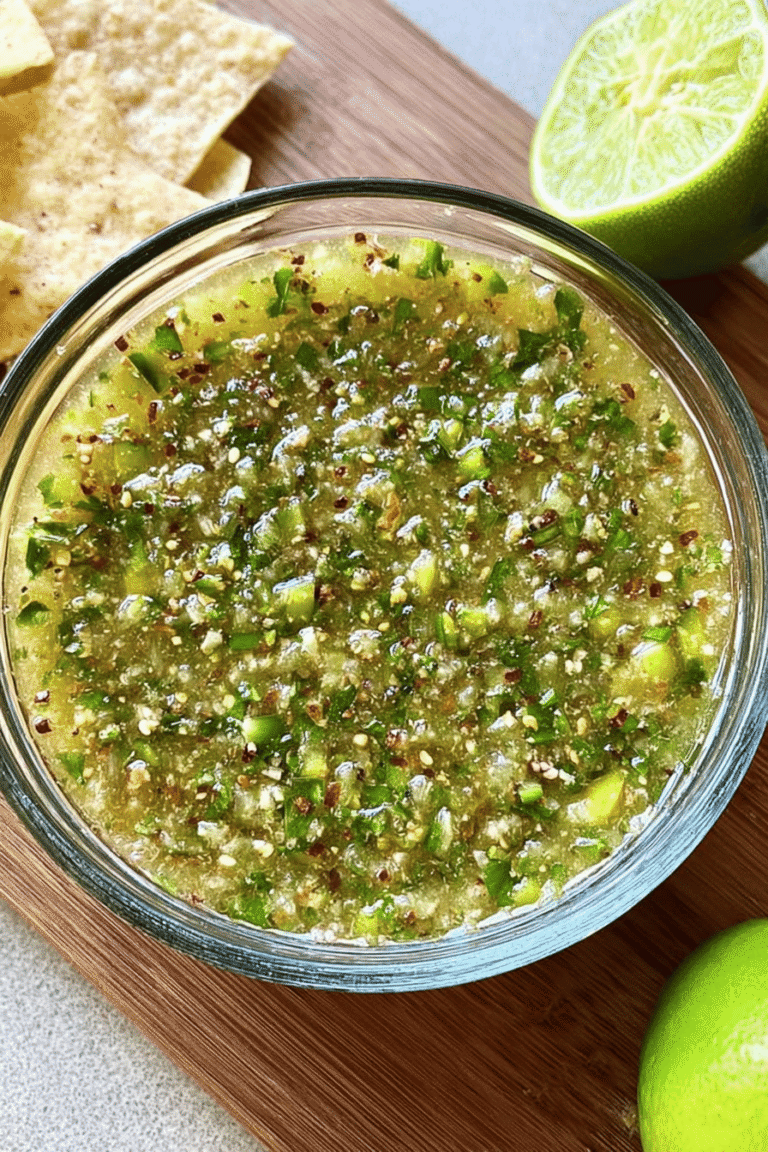
Roasted Salsa Verde
🫛 Roasted Tomatillo Salsa Verde Recipe offers a fresh, tangy flavor that’s perfect for brightening up any dish.
🔥 The roasting process adds a smoky depth, enhancing the vibrant and zesty taste of the tomatillos and peppers.
- Total Time: 30 minutes
Ingredients
– 1 pound (450g) tomatillos, husked and rinsed (approximately 6 medium)
– 1 jalapeño pepper
– 1 serrano pepper
– 2 unpeeled garlic cloves
– 1/2 cup (118ml) chicken broth or vegetable broth
– 1/4 medium onion, chopped
– 1/3 cup loosely packed cilantro leaves and tender stems
– 1 tablespoon lime juice, or more to taste
– 1/2 teaspoon salt, or more to taste
Instructions
1-Preheat your broiler: Position an oven rack about 4 inches from the broiler and preheat the broiler.
2-Arrange ingredients for roasting: Arrange the tomatillos, jalapeño pepper, serrano pepper, and unpeeled garlic cloves in a baking dish or on a rimmed baking sheet that’s suitable for broiling.
3-Broil the vegetables: Broil the mixture, turning occasionally, until the tomatillos are blackened in spots, which takes about 10 to 12 minutes. You’ll notice the skins becoming slightly charred and the tomatillos becoming soft.
4-Deglaze the pan: Remove the baking dish from the oven and add the broth, using a wooden spoon to scrape any bits stuck to the bottom. This step is crucial as it captures all the concentrated flavors. Allow the tomatillos, peppers, and garlic to cool slightly.
5-Prepare the roasted ingredients: Once cooled, peel most of the skins from the peppers and remove their seeds (keep the seeds for a spicier salsa). Remove the roasted garlic from its peel. The garlic should be soft and caramelized, easy to squeeze out of its skin.
6-Blend the salsa: Transfer the roasted tomatillos, peppers, garlic flesh, chopped onion, cilantro, lime juice, and salt to a food processor. Add about half of the liquid from the baking dish to the processor.
7-Process to desired consistency: Pulse 3 to 4 times until the mixture is mostly smooth, scraping down the sides as needed. For a chunkier salsa, pulse fewer times.
8-Adjust seasonings: Taste your creation and adjust the consistency and taste by adding more liquid, lime juice, or salt as desired. This is where you can truly make the recipe your own.
Last Step:
Please leave a rating and comment letting us know how you liked this recipe! This helps our business to thrive and continue providing free, high-quality recipes for you.Notes
🔥 Use a high-heat baking dish or rimmed sheet that withstands broiling.
❄️ Store salsa in an airtight container in the refrigerator up to 1 week.
🧄 Roasting garlic with peels on enhances its sweetness.
- Prep Time: 15 minutes
- Cook Time: 15 minutes
- Category: Condiment
- Method: Broiling and blending
- Cuisine: Mexican
Nutrition
- Serving Size: 1/4 cup
- Calories: 31
- Sugar: 5 g
- Fat: 0 g
- Saturated Fat: 0 g
- Carbohydrates: 7 g
- Fiber: 1 g
- Protein: 2 g
- Cholesterol: 0 mg