
Why You’ll Love This Slow Roasted Lamb Shoulder
This slow roasted lamb shoulder recipe brings together simple ingredients and easy steps to create a meal that’s both satisfying and stress-free. You’ll enjoy how the slow cooking method makes the meat so tender and full of flavor, perfect for family dinners or special events. Plus, it’s packed with nutrients that make it a smart choice for everyday eating.
This slow roasted lamb shoulder is straightforward to prepare, requiring minimal hands-on time. The cooking process is largely set-it-and-forget-it, allowing you to enjoy a flavorful meal without stress. Its relatively quick cooking time compared to other slow-cooked dishes means you get tender, succulent lamb faster.
Slow roasted lamb shoulder is a nutritious option, rich in high-quality protein and essential vitamins like B12 and zinc, supporting muscle health and boosting immunity. The slow roasting process preserves the natural nutrients, and with moderate fat content, it fits well into balanced, wholesome diets. This recipe can be easily adapted to suit various dietary needs and preferences.
Whether you are aiming for low-carb, gluten-free, or paleo diets, the slow roasted lamb shoulder pairs well with diverse sides and seasonings, making it a versatile main dish. The slow roasting technique enhances the lamb’s natural rich flavor and tenderness, creating a unique depth of taste. Aromatic herbs and spices used in the recipe complement the meat, making this dish stand out as a flavorful, mouthwatering centerpiece for any meal.
Jump to:
- Why You’ll Love This Slow Roasted Lamb Shoulder
- Essential Ingredients for Slow Roasted Lamb Shoulder
- How to Prepare the Perfect Slow Roasted Lamb Shoulder: Step-by-Step Guide
- Additional Notes on Cooking
- Dietary Substitutions to Customize Your Slow Roasted Lamb Shoulder
- Mastering Slow Roasted Lamb Shoulder: Advanced Tips and Variations
- How to Store Slow Roasted Lamb Shoulder: Best Practices
- FAQs: Frequently Asked Questions About Slow Roasted Lamb Shoulder
- What is the best way to prepare lamb shoulder for slow roasting?
- How long should I slow roast a 2 kg bone-in lamb shoulder at 180°C?
- Can I slow cook lamb shoulder in a slow cooker instead of the oven?
- How many people does a 1.5 kg lamb shoulder typically serve?
- How can I make a flavorful gravy using the lamb shoulder roasting pan juices?
- Slow Roasted Lamb Shoulder
- Ingredients
- Instructions
- Last Step:
- Notes
- Nutrition
- Did you make this recipe?
Essential Ingredients for Slow Roasted Lamb Shoulder
Gathering the right ingredients is key to making this slow roasted lamb shoulder recipe come alive. Here’s a complete list based on the recipe, formatted clearly so you can follow along without any confusion. Remember, fresh ingredients will make all the difference in the final taste.
- 1.8 kg (3.5 lb) bone-in lamb shoulder
- 2 tbsp olive oil
- 2 tsp salt
- 1 tsp black pepper
- 1 onion, quartered (no need to peel)
- 1 head garlic, halved horizontally
- 3 garlic cloves, sliced into slivers
- 8 sprigs rosemary
- 1 cup water
- 2 tbsp flour (for the gravy)
- 2 cups beef broth (or substitute with 1 cup red wine + 1 cup water for the gravy)
- Salt and pepper to taste (for the gravy)
These ingredients ensure you have everything needed for both the lamb and the gravy. For special options like gluten-free, swap the flour with tapioca flour to keep things simple and delicious.
How to Prepare the Perfect Slow Roasted Lamb Shoulder: Step-by-Step Guide
Let’s walk through making this slow roasted lamb shoulder, step by step, so you can get it right every time. Start by preheating your oven and preparing the lamb for that amazing flavor. This method keeps things easy and fun, even if you’re cooking for a crowd.
First Step: Preheat your oven to 240°C (465°F) or 220°C (425°F) fan-forced. Prepare the lamb shoulder by rubbing it with 2 tbsp olive oil, 2 tsp salt, and 1 tsp black pepper.
Second Step: Using a thin, sharp knife, make 12 deep incisions into the lamb without cutting all the way through. Stuff the incisions with rosemary sprigs and garlic slivers for extra taste.
Third Step: Place the quartered onion, halved garlic bulb, and additional rosemary sprigs at the base of a roasting pan. Put the lamb on top and pour 1 cup water around it.
Fourth Step: Cover the roasting pan tightly with a lid or double-layer foil and reduce the oven temperature to 180°C (350°F) or 160°C (320°F) fan-forced. Slow roast covered for 3 hours.
Fifth Step: Remove the cover and check if there’s liquid in the pan; add about ¾ cup water if it’s dry. Increase the oven temperature to 220°C (425°F) and roast uncovered for 20-30 minutes until the lamb skin crisps and browns.
Sixth Step: Test tenderness by seeing if the meat easily pulls apart with two forks. If not tender, cover and return to oven at 180°C (350°F) until soft. Let the lamb rest, loosely covered with foil, for at least 20 minutes before carving.
For the gravy, remove excess fat from the roasting pan, leaving about 2 tbsp. Heat the pan over medium-high heat and whisk in 2 tbsp flour; cook for 30 seconds. For more flavor, health benefits of lamb can inspire you to try this dish. Gradually stir in 2 cups beef broth or the red wine and water mix, mash the onion and garlic in the pan, simmer for 1-2 minutes until thickened, season with salt and pepper, strain, and serve.
The preparation time is simple: Prep takes 15 minutes, cooking 3 hours 30 minutes, for a total of 3 hours 45 minutes. Each serving of 398 g has about 575 calories, including the gravy. For smaller lamb shoulders around 1 kg, reduce slow roasting time by 20 minutes, and for boneless, do the same.
Additional Notes on Cooking
If you’re cooking two 1.5 kg shoulders, add 30 minutes to the cooking time. Expect about 700 g of cooked meat from a 1.5 kg raw shoulder, which serves around 4 people. Add water during the browning stage if the pan looks dry.

Dietary Substitutions to Customize Your Slow Roasted Lamb Shoulder
Everyone has different needs, so tweaking this slow roasted lamb shoulder recipe is a great idea. You can swap ingredients to fit your diet while keeping the dish tasty and satisfying. This helps make cooking more personal and fun for all home cooks.
Protein and Main Component Alternatives: For vegan options, slow roasted jackfruit or seitan can replace lamb shoulder, offering a similar texture and absorbing seasonings well. Slow roasted pork shoulder or beef brisket are excellent substitutes for those preferring different meats while retaining the slow cooking method.
Vegetable, Sauce, and Seasoning Modifications: Substitute classic root vegetables with seasonal options like parsnips, turnips, or butternut squash that complement rich flavors. For sauces, use dairy-free yogurt-based dressings for lactose intolerance or gluten-free gravy alternatives for gluten sensitivities. Adjust herbs and spices to include coriander, cumin, or smoked paprika to vary the flavor profile based on preference or dietary restrictions.
Remember, rosemary adds significant flavor and aroma even if garlic is omitted due to allergy, so feel free to experiment.
Mastering Slow Roasted Lamb Shoulder: Advanced Tips and Variations
Once you’re comfortable with the basics, try these tips to level up your slow roasted lamb shoulder. These ideas make the recipe even more exciting and help you impress friends at your next gathering. For instance, if you’re looking for sweet pairings, check out this banana bread coffee cake recipe that could go great as a side.
Pro cooking techniques: Use a dry brine with salt and herbs overnight to deepen flavor and improve meat texture. Consider using a convection oven setting or slow cooker for controlled cooking conditions. The recipe is adaptable to a slow cooker, cooking on low for about 8 hours.
Flavor variations: Experiment with Mediterranean spices like sumac or za’atar, or add a Moroccan twist with cinnamon and cumin blends to diversify the slow roasted lamb shoulder. Presentation tips: Garnish with fresh herbs, such as parsley or mint, and serve on a platter with colorful roasted vegetables for an eye-catching presentation.
Make-ahead options: Prepare the lamb shoulder marinade and seasoning the day before to save time. Slow roast and chill, then reheat gently when ready to serve, perfect for busy schedules. Leftovers can be reheated, and the resting period may be extended up to a couple of hours before serving.
How to Store Slow Roasted Lamb Shoulder: Best Practices
Storing your slow roasted lamb shoulder properly keeps it fresh and tasty for later. Follow these steps to avoid waste and make meal prep easier. It’s all about keeping things simple for busy days ahead.
Refrigeration: Store slow roasted lamb shoulder in an airtight container in the refrigerator for up to 3-4 days to maintain freshness. Freezing: For longer storage, wrap the lamb tightly in foil or freeze in vacuum-sealed bags. It can last up to 3 months in the freezer without significant quality loss.
Reheating: Reheat gently in the oven at low temperatures or use a microwave on medium setting to preserve moisture and avoid drying out. Meal prep considerations: Portion lamb shoulder into meal-sized containers to facilitate quick reheating and maintain food safety when batch cooking.
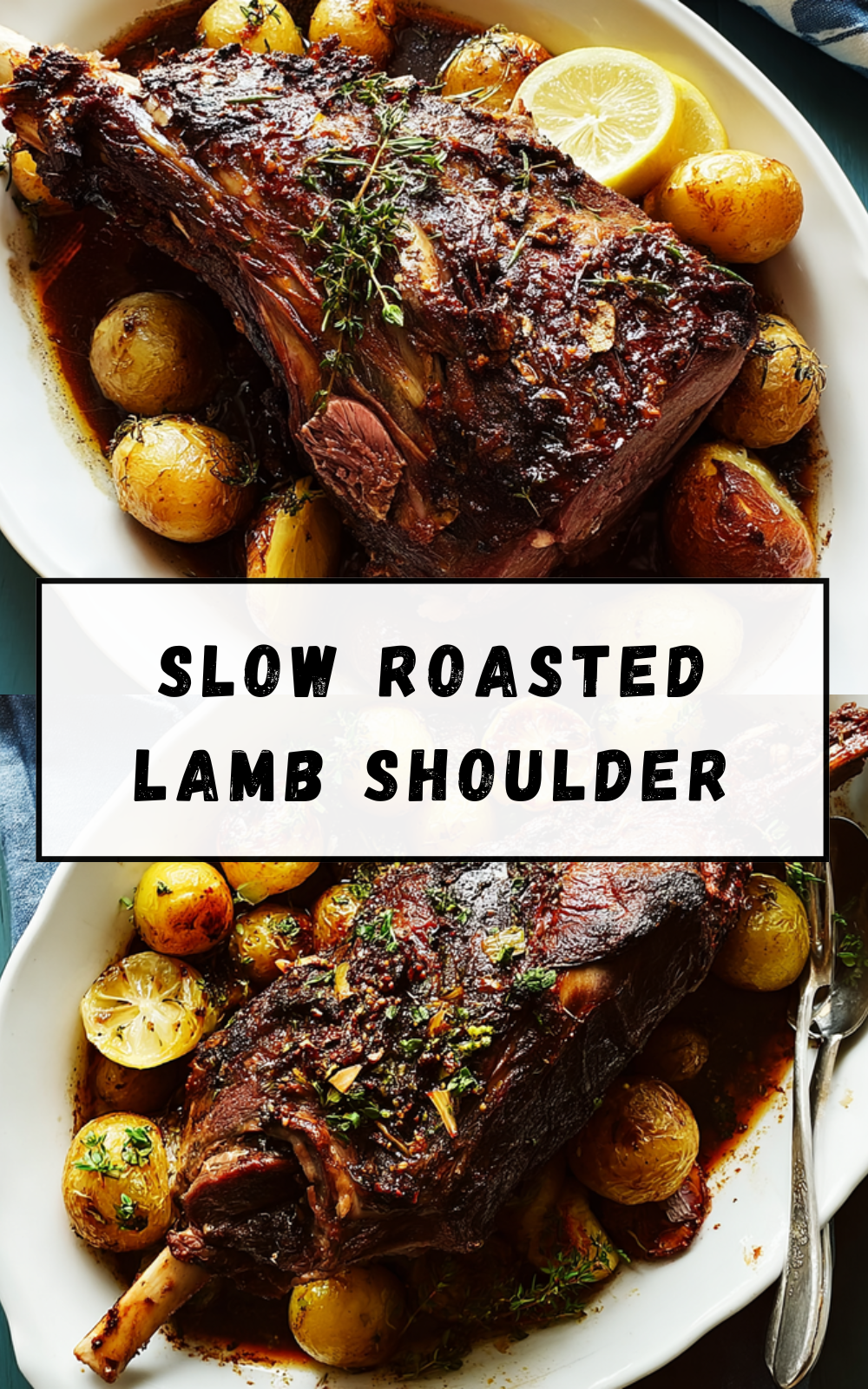
FAQs: Frequently Asked Questions About Slow Roasted Lamb Shoulder
What is the best way to prepare lamb shoulder for slow roasting?
To prepare lamb shoulder for slow roasting, pat it dry and rub the meat evenly with olive oil, salt, and freshly ground black pepper. Use a sharp knife to make several deep incisions, then insert garlic slivers and fresh rosemary sprigs into the cuts for added flavor. Let the lamb sit at room temperature for about 30 minutes before roasting to ensure even cooking.
How long should I slow roast a 2 kg bone-in lamb shoulder at 180°C?
Roast the 2 kg bone-in lamb shoulder covered at 180°C (160°C fan) for approximately 3 to 3.5 hours. Afterward, remove the cover and increase the oven temperature to 220°C for 20 to 30 minutes to brown the skin and develop a crispy crust. Cooking times can vary, so check tenderness by inserting a fork; the meat should pull apart easily.
Can I slow cook lamb shoulder in a slow cooker instead of the oven?
Yes, lamb shoulder can be cooked in a slow cooker. Place the prepared lamb in the slow cooker with some broth or wine, and cook on low for 7 to 8 hours or on high for 4 to 5 hours until the meat is tender and falls apart easily. Slow cooking keeps the meat moist and infuses flavors without needing oven time.
How many people does a 1.5 kg lamb shoulder typically serve?
A 1.5 kg lamb shoulder usually serves about 4 people. Keep in mind the weight includes bone and fat, and the meat will shrink during cooking. To ensure enough servings, consider 350-400 grams of raw weight per person when planning your portion size.
How can I make a flavorful gravy using the lamb shoulder roasting pan juices?
After roasting, pour off excess fat from the pan, leaving the browned bits and juices. Place the pan over medium heat, sprinkle a couple of tablespoons of flour, and stir to form a roux. Gradually add beef broth or a mixture of red wine and water, stirring continuously until thickened. For extra depth, mash softened onions and garlic into the gravy, season with salt and pepper, then strain before serving.
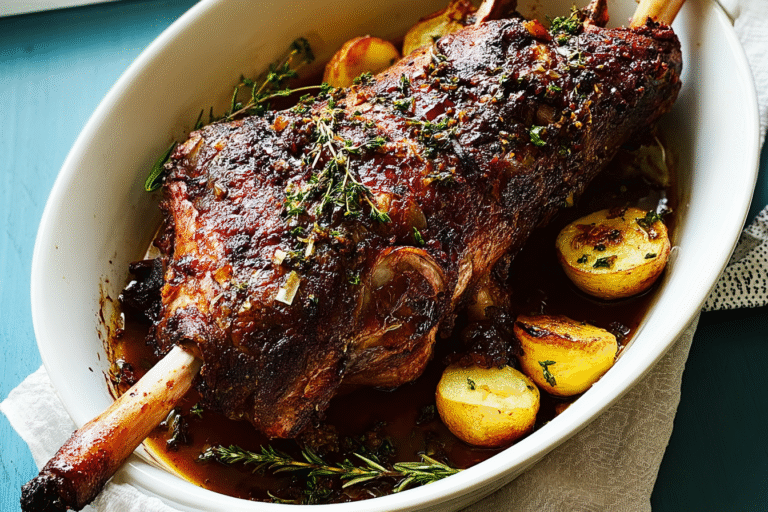
Slow Roasted Lamb Shoulder
🍖 Experience melt-in-your-mouth tender lamb shoulder that falls apart with minimal effort, infused with aromatic rosemary and garlic for an unforgettable meal
🌿 Transform your dinner table with this impressive slow-roasted masterpiece that delivers restaurant-quality results with simple preparation
- Total Time: 4 hours 5 minutes
- Yield: 5-6 servings
Ingredients
– 1.8 kg (3.5 lb) bone-in lamb shoulder
– 2 tbsp olive oil
– 2 tsp salt
– 1 tsp black pepper
– 1 onion, quartered (no need to peel)
– 1 head garlic, halved horizontally
– 3 garlic cloves, sliced into slivers
– 8 sprigs rosemary
– 1 cup water
– 2 tbsp flour for the gravy
– 2 cups beef broth (or substitute with 1 cup red wine + 1 cup water for the gravy)
– Salt and pepper to taste for the gravy
Instructions
1-First Step: Preheat your oven to 240°C (465°F) or 220°C (425°F) fan-forced. Prepare the lamb shoulder by rubbing it with 2 tbsp olive oil, 2 tsp salt, and 1 tsp black pepper.
2-Second Step: Using a thin, sharp knife, make 12 deep incisions into the lamb without cutting all the way through. Stuff the incisions with rosemary sprigs and garlic slivers for extra taste.
3-Third Step: Place the quartered onion, halved garlic bulb, and additional rosemary sprigs at the base of a roasting pan. Put the lamb on top and pour 1 cup water around it.
4-Fourth Step: Cover the roasting pan tightly with a lid or double-layer foil and reduce the oven temperature to 180°C (350°F) or 160°C (320°F) fan-forced. Slow roast covered for 3 hours.
5-Fifth Step: Remove the cover and check if there’s liquid in the pan; add about ¾ cup water if it’s dry. Increase the oven temperature to 220°C (425°F) and roast uncovered for 20-30 minutes until the lamb skin crisps and browns.
6-Sixth Step: Test tenderness by seeing if the meat easily pulls apart with two forks. If not tender, cover and return to oven at 180°C (350°F) until soft. Let the lamb rest, loosely covered with foil, for at least 20 minutes before carving.
7-For the gravy, remove excess fat from the roasting pan, leaving about 2 tbsp. Heat the pan over medium-high heat and whisk in 2 tbsp flour; cook for 30 seconds. For more flavor, health benefits of lamb can inspire you to try this dish. Gradually stir in 2 cups beef broth or the red wine and water mix, mash the onion and garlic in the pan, simmer for 1-2 minutes until thickened, season with salt and pepper, strain, and serve.
Last Step:
Please leave a rating and comment letting us know how you liked this recipe! This helps our business to thrive and continue providing free, high-quality recipes for you.Notes
🌡️ For smaller lamb shoulders (~1 kg), reduce slow roasting time by 20 minutes; for boneless shoulder, reduce by 20 minutes as well
💧 Add water during browning stage if pan looks dry to avoid burning and ensure tender results
🍷 For richer gravy flavor, substitute half the beef broth with red wine, or use tapioca flour for gluten-free gravy
- Prep Time: 15 minutes
- Resting Time: 20 minutes
- Cook Time: 3 hours 30 minutes
- Category: Main Course
- Method: Roasting
- Cuisine: Mediterranean/European
- Diet: Non-vegetarian
Nutrition
- Serving Size: 1 serving (about 398g with gravy)
- Calories: 575
- Sugar: 3g
- Sodium: 680mg
- Fat: 38g
- Saturated Fat: 16g
- Unsaturated Fat: 20g
- Trans Fat: 0g
- Carbohydrates: 8g
- Fiber: 1g
- Protein: 48g
- Cholesterol: 155mg