
Why You’ll Love This Strawberry Vanilla Bean Jam
There’s something magical about transforming fresh strawberries into a luscious jam, especially when infused with the warm, aromatic notes of vanilla bean. This small batch strawberry vanilla jam recipe delivers exceptional flavor while being approachable enough for even novice preservers. Let me share why this recipe will quickly become a favorite in your kitchen. The beauty of this recipe lies in its simplicity and efficiency. It’s designed for small batches, making it perfect when you have limited storage space, time, or just a small amount of fresh strawberries from the market. The entire cooking and processing time takes approximately 45 minutes, allowing you to create something special without committing your entire day. From a health perspective, this jam offers more than just incredible taste. Fresh strawberries provide natural antioxidants, vitamin C, and dietary fiber, while the small amount of sugar needed makes this a healthier alternative to commercial varieties. The absence of added pectin keeps the ingredients list short and natural, letting the true flavors of the fruit and vanilla shine through. What truly sets this strawberry vanilla bean jam apart is its versatility. The flavor profile works beautifully in so many applications spread on toast, dolloped on yogurt, swirled into oatmeal, or even as a topping for ice cream. For those who enjoy home mixology, it makes an exceptional ingredient in cocktails and vanilla-infused beverages, adding natural sweetness and complexity to your drink creations.Jump to:
- Why You’ll Love This Strawberry Vanilla Bean Jam
- Essential Ingredients for Strawberry Vanilla Bean Jam
- Ingredients List:
- Understanding the Ingredients
- How to Prepare the Perfect Strawberry Vanilla Bean Jam: Step-by-Step Guide
- Preparing Your Ingredients
- The Maceration Process
- Cooking the Jam
- Testing for Doneness
- Canning and Processing
- Dietary Substitutions to Customize Your Strawberry Vanilla Bean Jam
- Fruit and Sweetener Alternatives
- Vegan and Allergen-Friendly Options
- Vanilla Variations
- Mastering Strawberry Vanilla Bean Jam: Advanced Tips and Variations
- Flavor Combinations
- Texture Preferences
- How to Store Strawberry Vanilla Bean Jam: Best Practices
- Short-Term Storage
- Long-Term Canning Storage
- Freezing Option
- FAQs: Frequently Asked Questions About Strawberry Vanilla Bean Jam
- Can I use frozen strawberries to make Strawberry Vanilla Bean Jam?
- How can I tell when the jam has thickened enough without a candy thermometer?
- Is it okay to reduce sugar or substitute honey in this jam recipe?
- Can I add different flavorings like rose water or use vanilla extract instead of vanilla beans?
- What should I do if my jam doesn’t set after processing?
- Strawberry Vanilla Bean Jam
- Ingredients
- Instructions
- Last Step:
- Notes
- Nutrition
- Did you make this recipe?
Essential Ingredients for Strawberry Vanilla Bean Jam
Creating the perfect small batch strawberry vanilla jam starts with high-quality ingredients. Each component plays a crucial role in achieving the flavor and consistency that makes this recipe special.Ingredients List:
- 1 quart strawberries (a little over 1 1/2 pounds, approximately 4 cups of chopped berries)
- 2 cups sugar, divided
- 1 vanilla bean, split and scraped
- 1 lemon, zested and juiced
Understanding the Ingredients
The star of this recipe is, of course, fresh strawberries. When selecting berries, choose ones that are ripe but still firm, with a vibrant red color and fragrant aroma. About 1 quart of strawberries will give you approximately 4 cups when chopped, which is perfect for this small batch approach. Sugar does more than just sweeten this jam it acts as a preservative and helps create the right gel consistency. We’ll use it divided into two portions: half to macerate the fruit initially and half during cooking. This technique allows the berries to release their natural juices while absorbing some of the sweetness before cooking even begins. The vanilla bean might seem like a luxury, but its presence elevates this simple jam into something truly special. When you split and scrape the bean, you release both the tiny seeds and the aromatic oils, infusing the entire mixture with that distinctive vanilla flavor that pairs so beautifully with strawberries. Finally, lemon serves multiple purposes. The juice provides acidity, which helps with preservation and balances the sweetness. The zest contributes bright citrus oils that enhance the strawberry flavor, adding complexity that you wouldn’t get otherwise.“The quality of your ingredients directly impacts the flavor of your finished jam. Choose the ripest strawberries and the best vanilla bean you can find for truly exceptional results.”
How to Prepare the Perfect Strawberry Vanilla Bean Jam: Step-by-Step Guide
Making delicious strawberry vanilla bean jam is more straightforward than you might think. This small batch approach simplifies the process while still delivering that rustic, homemade quality that store-bought jams can’t match.Preparing Your Ingredients
Begin by washing your strawberries thoroughly and removing the green tops (hulling). Chop the berries into uniform pieces about quarters or halves depending on their size. Consistent chopping helps ensure even cooking. Place the chopped strawberries in a large jar or bowl. Add 1 cup of the sugar and the entire vanilla bean (both the scraped seeds and the pod itself). Toss everything gently to combine. This step begins the maceration process, which allows the sugar to draw out the natural juices from the berries while the vanilla starts infusing its flavor.The Maceration Process
Maceration is a crucial step that many jam recipes skip, but it makes a significant difference in the final flavor. Cover the mixture and refrigerate for at least 2 to 3 hours. For even better flavor development, you can let it macerate for up to 72 hours.| Maceration Time | Result |
|---|---|
| 2-3 hours | Basic flavor infusion, good juice extraction |
| 6-8 hours | Enhanced flavor, deep red color development |
| 24-72 hours | Maximum flavor infusion, most concentrated taste |
Cooking the Jam
When you’re ready to cook, transfer the macerated strawberries to a large, heavy-bottomed pot. Add the remaining 1 cup of sugar. Bring the mixture to a boil over medium-high heat, stirring frequently to prevent the sugar from burning. Once the jam reaches a rolling boil, reduce the heat slightly to maintain a steady, vigorous boil. Continue cooking, stirring constantly to prevent burning, until the jam reaches 220 degrees Fahrenheit on a candy or jam thermometer. This is the temperature at which jam will properly set. During the final 5 minutes of cooking, add the lemon zest and juice. The lemon provides brightness and acidity, balancing the sweetness and helping with preservation. It also aids in achieving the proper consistency.“Constant stirring is essential when cooking jam to prevent scorching and ensure even cooking. A wooden spoon with a long handle works best for this task.”
Testing for Doneness
The most reliable way to test if your jam is ready is by measuring the temperature with a candy thermometer. When it reaches 220 degrees Fahrenheit, it’s done. If you don’t have a thermometer, you can use the rivulet (or sheet) test. Dip a cool metal spoon into the boiling jam and lift it out. If the jam drops from the spoon in a thick sheet rather than individual drops, it has reached the proper consistency.Canning and Processing
Once the jam has reached the proper consistency, remove it from the heat quickly. Ladle the hot jam into the prepared jars, leaving about 1/4 inch of headspace. Wipe the rims of the jars clean with a damp cloth to ensure a good seal. Apply the lids and rings, tightening them just until fingertip tight. Process the jars in a water bath canner for 10 minutes, making sure the water covers the jars by at least 1 inch. After processing, remove the jars and place them on a towel-lined surface to cool completely. As they cool, you should hear the lids pop, indicating that they have sealed properly. After 12-24 hours, check the seals by removing the rings and pressing on the center of each lid. If it doesn’t move, the jar is sealed. Any unsealed jars should be refrigerated and used first. Store sealed jars in a cool, dark place where they will keep for up to a year.
Dietary Substitutions to Customize Your Strawberry Vanilla Bean Jam
One of the wonderful aspects of jam-making is how adaptable recipes can be to accommodate dietary preferences or restrictions. While this small batch strawberry vanilla jam recipe is straightforward, there are several modifications you can make without compromising the final product.Fruit and Sweetener Alternatives
If strawberries are out of season, you can substitute with other berries like raspberries, blueberries, or blackberries. Each fruit will bring its own unique flavor profile and may require slight adjustments to cooking time based on water content. For those looking to reduce sugar, it’s important to understand that sugar plays a role in preservation and texture, not just sweetness. If you want to reduce sugar significantly, you may need to add pectin formulated for low-sugar jams to ensure proper setting and safety. Natural sweeteners like honey or maple syrup can substitute for sugar, but they will alter the flavor profile and may require recipe adjustments.Vegan and Allergen-Friendly Options
To make this recipe vegan-friendly, ensure your sugar is certified vegan (some granulated sugar is processed using bone char). Otherwise, this recipe is naturally vegan as written. For those with gluten sensitivities, rest assured that all ingredients in this recipe are naturally gluten-free. However, if you’re serving this to someone with celiac disease or severe gluten sensitivity, be careful about cross-contamination if you’ve been using wheat products in your kitchen recently.Vanilla Variations
If vanilla beans are unavailable or prohibitively expensive, you can substitute with vanilla bean paste or vanilla extract. For extracts, add it near the end of cooking to preserve the flavor as high heat can cause the alcohol to evaporate and take the vanilla flavor with it. The general substitution is 1 tablespoon of vanilla extract for one vanilla bean, but you may need to adjust based on your preference and the strength of your extract.Mastering Strawberry Vanilla Bean Jam: Advanced Tips and Variations
Once you’ve mastered the basic recipe, there are numerous ways to further customize your strawberry vanilla jam. These advanced techniques and variations will help you create a truly signature preserve.Flavor Combinations
Strawberry and vanilla create a fantastic base that works well with additional flavors:- Herb-infused: Add 1-2 sprigs of fresh basil or thyme during the last 5 minutes of cooking for an savory contrast.
- Citrus accent: Include the zest and juice of an orange along with the lemon for a brighter, more complex citrus profile.
- Spiced version: Add a pinch of cinnamon or nutmeg while cooking to create warm, comforting notes that complement both strawberry and vanilla.
- Boozy enhancement: Stir in 1-2 tablespoons of rum, brandy, or balsamic vinegar at the end of cooking for adults-only sophistication.
Texture Preferences
The texture of jam can be highly personal. Some prefer a smooth, uniform consistency while others enjoy chunkier preserves with pieces of fruit. To achieve your preferred texture:- For a smoother jam: Use an immersion blender to partially puree the fruit before or during cooking.
- For a chunkier preserve: Mash the berries less initially and be gentle when stirring during cooking.
- For a soft set: Cook the jam to just 215-218 degrees Fahrenheit instead of 220 degrees.
- For a firmer set: Extend cooking time by a few minutes, but be careful not to overcook as this can cause the jam to caramelize or even burn.
How to Store Strawberry Vanilla Bean Jam: Best Practices
Proper storage is essential for maintaining the quality and safety of your homemade strawberry vanilla jam. For small batch canning success, follow these guidelines to enjoy your preserves for months to come.Short-Term Storage
If you prefer not to process your jam in a water bath canner, or if you made an extra batch that won’t fit in your canner, you can store it in the refrigerator. Pour the hot jam into clean jars, let cool, cover tightly, and refrigerate. Unprocessed jam will keep for up to three weeks in the refrigerator, making it perfect for immediate enjoyment.Long-Term Canning Storage
For jars that have been properly processed in a water bath canner and sealed correctly, storage is simple. Keep the jars in a cool, dark place like a pantry or cupboard. Properly sealed and stored jam will maintain its quality for up to a year, though the color may darken slightly over time a natural occurrence that doesn’t affect safety or flavor. Check jar seals periodically by pressing on the center of the lid. If it pops back, the seal has broken, and the jam should be refrigerated and used within a few weeks.Freezing Option
Freezing is another excellent storage method for small batches. Pour completely cooled jam into freezer-safe containers, leaving about half an inch of headspace to allow for expansion during freezing. Properly frozen jam will maintain its quality for up to six months, though it’s best consumed within three months for optimal flavor. To thaw frozen jam, transfer it to the refrigerator and let it thaw overnight. The texture may change slightly upon thawing, becoming a bit looser, but this is normal and doesn’t affect the taste.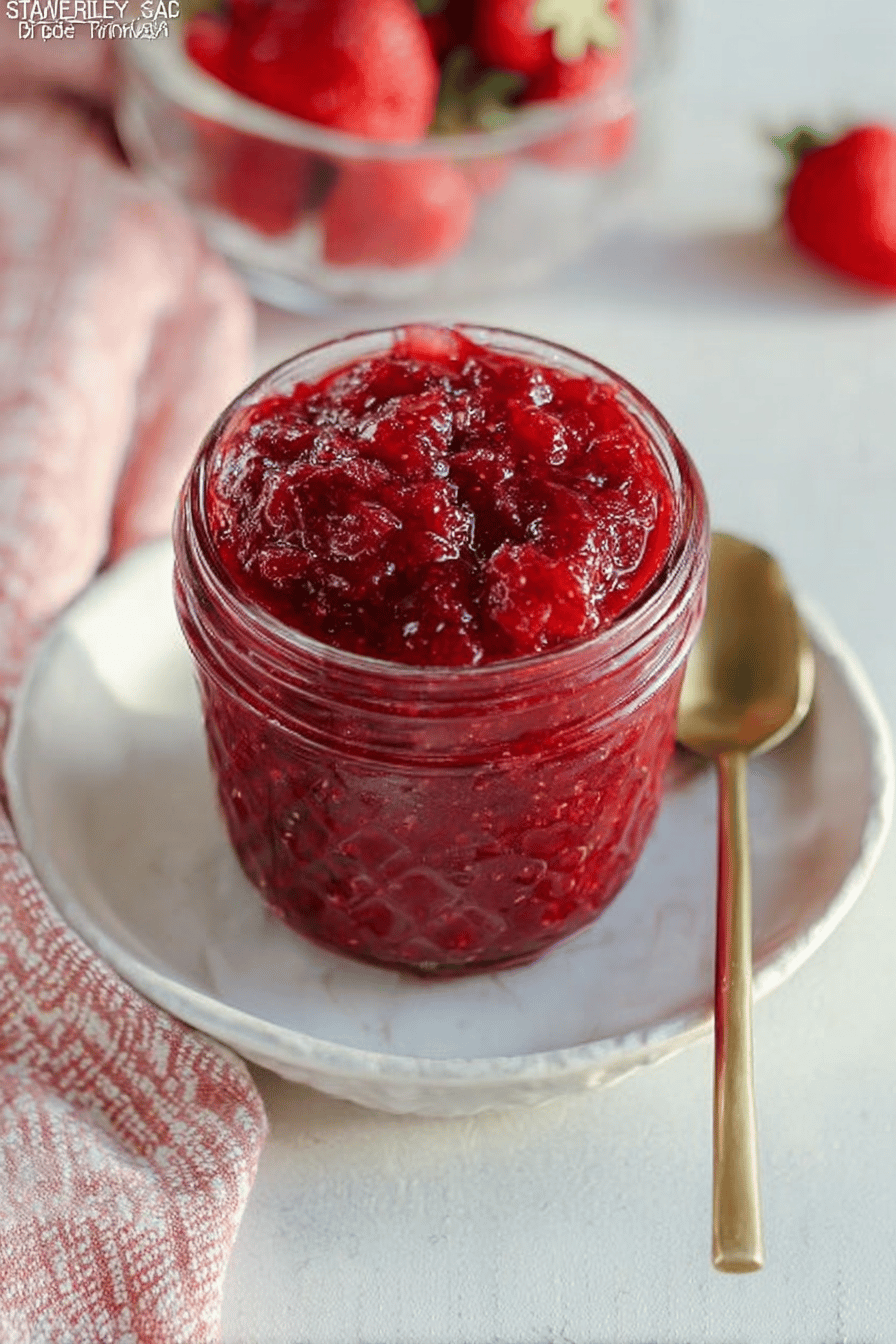
FAQs: Frequently Asked Questions About Strawberry Vanilla Bean Jam
Can I use frozen strawberries to make Strawberry Vanilla Bean Jam?
Yes, you can make Strawberry Vanilla Bean Jam with frozen strawberries. However, frozen berries often release more water during cooking, which can result in a thinner jam. To compensate, cook the jam a bit longer to reach the proper set or use a consistency test like the rivulet (sheet) test. Keep in mind that the flavor may be slightly less fresh compared to using fresh berries.
How can I tell when the jam has thickened enough without a candy thermometer?
You can use the rivulet test, also known as the sheet test, to check jam consistency. Tilt the spoon or pan to see how the jam flows; when it drops in a thick sheet and holds briefly before breaking, it’s ready. This visual test is very effective and often more reliable than temperature alone, especially if you don’t have a candy thermometer.
Is it okay to reduce sugar or substitute honey in this jam recipe?
Reducing sugar or replacing it with honey or maple syrup can affect the jam’s ability to set and preserve properly. This recipe relies on a specific sugar ratio for both sweetness and safe preservation. If you want less sugar, consider adding pectin formulated for low-sugar jams and follow guidance on processing times to maintain safety.
Can I add different flavorings like rose water or use vanilla extract instead of vanilla beans?
Yes, you can add about one tablespoon of rose water for a delicate floral note, but start with less since it can be overpowering. Vanilla bean paste or extract can substitute for vanilla beans; add extract near the end of cooking to maintain its aroma and flavor. Avoid untested flavor additions like cocoa powder unless you follow a trusted recipe.
What should I do if my jam doesn’t set after processing?
If your jam remains runny after cooling, don’t worry. You can open the jars and recook the jam until it reaches the right consistency, then reprocess it in a clean jar using the original canning method. Using small batches and testing with the sheet test during cooking will help prevent this issue in future attempts.
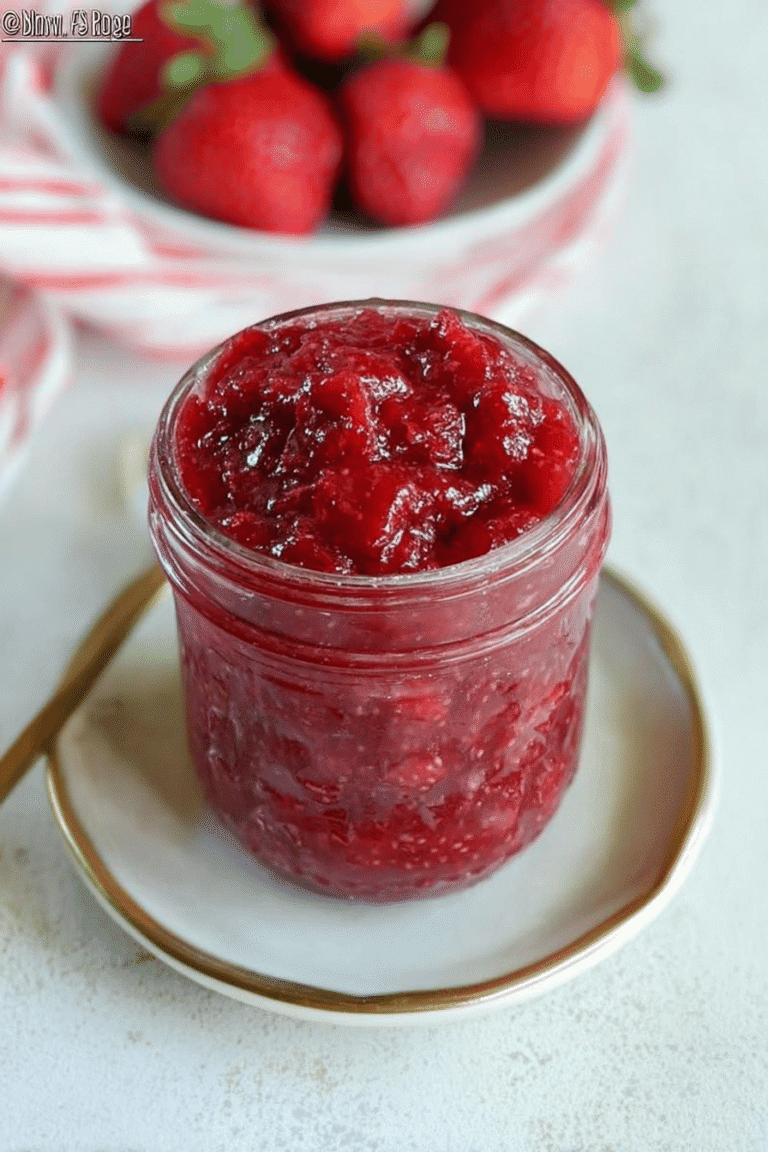
Strawberry Vanilla Bean Jam
🍓 Experience the fresh, homemade flavor of this small batch strawberry vanilla jam, perfect for spreading on toast or adding to desserts.
🍯 This recipe requires no pectin and emphasizes fresh ingredients and a simple process for delightful, loose-set jam.
- Total Time: Approximately 3 to 4 hours
- Yield: Approximately 3 half-pint jars
Ingredients
– 1 quart strawberries (a little over 1 1/2 pounds, approximately 4 cups of chopped berries)
– 2 cups sugar, divided
– 1 vanilla bean, split and scraped
– 1 lemon, zested and juiced
Instructions
1-Preparing Your Ingredients: Begin by washing your strawberries thoroughly and removing the green tops (hulling). Chop the berries into uniform pieces about quarters or halves depending on their size. Consistent chopping helps ensure even cooking.
Place the chopped strawberries in a large jar or bowl. Add 1 cup of the sugar and the entire vanilla bean (both the scraped seeds and the pod itself). Toss everything gently to combine. This step begins the maceration process, which allows the sugar to draw out the natural juices from the berries while the vanilla starts infusing its flavor.
2-The Maceration Process: Maceration is a crucial step that many jam recipes skip, but it makes a significant difference in the final flavor. Cover the mixture and refrigerate for at least 2 to 3 hours. For even better flavor development, you can let it macerate for up to 72 hours.
While the berries macerate, prepare your canning equipment. You’ll need three half-pint jars, lids and rings, and a small canning pot with a rack. Sterilize the jars by washing them in hot, soapy water, then keeping them hot until you’re ready to fill them.
3-Cooking the Jam: When you’re ready to cook, transfer the macerated strawberries to a large, heavy-bottomed pot. Add the remaining 1 cup of sugar. Bring the mixture to a boil over medium-high heat, stirring frequently to prevent the sugar from burning.
Once the jam reaches a rolling boil, reduce the heat slightly to maintain a steady, vigorous boil. Continue cooking, stirring constantly to prevent burning, until the jam reaches 220 degrees Fahrenheit on a candy or jam thermometer. This is the temperature at which jam will properly set.
During the final 5 minutes of cooking, add the lemon zest and juice. The lemon provides brightness and acidity, balancing the sweetness and helping with preservation. It also aids in achieving the proper consistency.
4-Testing for Doneness: The most reliable way to test if your jam is ready is by measuring the temperature with a candy thermometer. When it reaches 220 degrees Fahrenheit, it’s done. If you don’t have a thermometer, you can use the rivulet (or sheet) test. Dip a cool metal spoon into the boiling jam and lift it out. If the jam drops from the spoon in a thick sheet rather than individual drops, it has reached the proper consistency.
5-Canning and Processing: Once the jam has reached the proper consistency, remove it from the heat quickly. Ladle the hot jam into the prepared jars, leaving about 1/4 inch of headspace. Wipe the rims of the jars clean with a damp cloth to ensure a good seal. Apply the lids and rings, tightening them just until fingertip tight.
Process the jars in a water bath canner for 10 minutes, making sure the water covers the jars by at least 1 inch. After processing, remove the jars and place them on a towel-lined surface to cool completely. As they cool, you should hear the lids pop, indicating that they have sealed properly.
After 12-24 hours, check the seals by removing the rings and pressing on the center of each lid. If it doesn’t move, the jar is sealed. Any unsealed jars should be refrigerated and used first. Store sealed jars in a cool, dark place where they will keep for up to a year.
Last Step:
Please leave a rating and comment letting us know how you liked this recipe! This helps our business to thrive and continue providing free, high-quality recipes for you.Notes
🧪 Use a candy or jam thermometer to ensure the jam reaches the correct temperature for proper setting.
🌿 If vanilla bean is unavailable, substitute with vanilla bean paste or extract; add extract at the end of cooking to preserve flavor.
🍋 Macerate strawberries to infuse sugar and vanilla and release natural juices before cooking for richer flavor.
- Prep Time: 2 to 3 hours maceration (up to 72 hours for best flavor)
- Maceration time: 2 to 72 hours
- Cook Time: 45 minutes (including cooking, filling jars, and canning)
- Category: Preserves/Condiments
- Method: Canning and boiling
- Cuisine: American
- Diet: Vegetarian, Gluten-Free
Nutrition
- Serving Size: 1 tablespoon