
Why Youll Love This Substitute For Buttermilk
Running out of buttermilk happens to the best of us, especially when a recipe calls for it in pancakes, biscuits, or even a tangy marinade for fried chicken. A reliable substitute for buttermilk saves the day with everyday pantry items. These options mimic the acidity and thickness that make buttermilk special in baking and cooking.
Here are the main benefits that make these buttermilk alternatives a game-changer:
- Ease of preparation: Whip up a buttermilk substitute with milk and a splash of vinegar or lemon juice in under 10 minutes. No special equipment needed, just a measuring cup and spoon. This quick fix beats rushing to the store.
- Health benefits: Choose dairy-free versions with almond milk for lower calories and nut-free options like soy milk. Yogurt-based swaps add probiotics for gut health, while keeping things light for diet-conscious eaters.
- Versatility: Perfect for vegan buttermilk, gluten-free baking, or low-calorie needs. Use in cakes, muffins, or smoothies on your blog about refreshing drinks.
- Distinctive flavor: The curdling action creates that signature tang, ensuring your baked goods rise tall and taste just right, without any off notes.
Check out this trusted baking resource for more recipe ideas. These substitutes work in 90% of cases, making them ideal for busy parents and baking enthusiasts alike.
Simple swaps like these turn kitchen mishaps into triumphs, letting you focus on flavor.
(248 words)
Jump to:
- Why Youll Love This Substitute For Buttermilk
- Essential Ingredients for Substitute For Buttermilk
- How to Prepare the Perfect Substitute For Buttermilk: Step-by-Step Guide
- Protein and Main Component Alternatives
- Vegetable, Sauce, and Seasoning Modifications
- Mastering Substitute For Buttermilk: Advanced Tips and Variations
- How to Store Substitute For Buttermilk: Best Practices
- FAQs: Frequently Asked Questions About Substitute For Buttermilk
- What is a good substitute for buttermilk?
- How do I make a buttermilk substitute with milk and vinegar?
- Can I use plain yogurt as a buttermilk substitute?
- What’s the best buttermilk substitute for baking cakes?
- How much lemon juice do I need for a milk buttermilk substitute?
- Substitute For Buttermilk
- Ingredients
- Instructions
- Last Step:
- Notes
- Nutrition
- Did you make this recipe?
Essential Ingredients for Substitute For Buttermilk
Gather these basics for foolproof results. Focus on fresh acids for best tang.
Main Ingredients:
- 1 cup milk – Provides creaminess and reacts with acid for thickness; use whole for richness or 2% for lighter texture.
- 1 tablespoon white vinegar – Adds sharp acidity to curdle milk, mimicking buttermilk’s pH; distilled for clean taste.
- 1 tablespoon lemon juice – Fresh-squeezed for bright citrus notes; bottled as backup but less vibrant.
- 1 cup plain yogurt – Delivers natural tang and probiotics; thin with water for pourable consistency.
- 2-3 tablespoons water – Thins yogurt to match buttermilk’s fluidity; use milk for extra creaminess.
- 3/4 cup plain yogurt – Base for creamy substitute; full-fat for best results in baking.
- 1/4 cup water or milk – Adjusts thickness; more for Greek yogurt due to density.
- 1/2 cup sour cream – Boosts richness in cakes; dilute equally with milk.
- 1 cup almond milk – Dairy-free base for vegan buttermilk; unsweetened to avoid sweetness.
- 1 cup soy milk – Nut-free vegan option with good protein content.
- 1 cup kefir – Straight fermented swap for ultimate tang; drinkable type works best.
Special Dietary Options:
- Vegan: Almond milk or soy milk with 1 tablespoon vinegar or lemon juice.
- Gluten-free: All options are naturally gluten-free; check yogurt labels.
- Low-calorie: Skim milk or light yogurt thinned more generously.
| Substitute Type | Ratio | Best For | Dairy-Free? |
|---|---|---|---|
| Milk + Vinegar | 1 cup : 1 tbsp | Baking | No |
| Yogurt + Water | 3/4 cup : 1/4 cup | Muffins | No |
| Almond Milk + Lemon | 1 cup : 1 tbsp | Vegan | Yes |
(312 words)
How to Prepare the Perfect Substitute For Buttermilk: Step-by-Step Guide
Master these methods for a spot-on buttermilk replacement. Start with room-temperature ingredients for smooth results.
First Step: Measure 1 cup milk into a glass measuring cup. Whole milk gives richest texture, but 2% works for everyday use. Pour slowly to avoid bubbles.
Second Step: Add 1 tablespoon white vinegar or fresh lemon juice. Stir gently with a spoon just once. The acid starts breaking down milk proteins right away.
Third Step: Let sit undisturbed at room temperature for 5-10 minutes. Watch for curds to form and surface to thicken, signaling perfect tanginess. Do not rush this rest period.
Fourth Step: For yogurt version, mix 3/4 cup plain yogurt with 1/4 cup water in a bowl. Whisk until smooth and pourable, about 30 seconds. Greek yogurt? Add up to 1/3 cup liquid.
Fifth Step: Vegan option: Swap milk with 1 cup unsweetened almond or soy milk plus 1 tablespoon acid. Rest same time. Ideal for smoothies or dairy-free pancakes.
Sixth Step: Kefir or sour cream: Use 1 cup kefir straight or blend 1/2 cup sour cream with 1/2 cup milk. Stir minimally to keep thickness.
Final Step: Use immediately in batters or marinades. Stir into dry ingredients last for max lift in baking. Yields 1 cup, scalable as needed.
Expand on classic milk + vinegar for detailed process. High altitude? Add extra 1/2 teaspoon acid. In humid kitchens, shorten rest to 5 minutes to prevent over-thickening. Test consistency by dripping off a spoon, it should coat slowly.
For larger batches in party prep, multiply by 4: 4 cups milk + 4 tablespoons vinegar. Store extra in fridge up to 2 days. In marinades, this sub tenderizes chicken beautifully, reacting with baking soda for crisp coating.
Yogurt method shines in scones, adding chew without gumminess. Pro tip: Strain through cheesecloth for thicker cultured version. Always taste before using, adjust acid by drops if milk is very fresh.
These steps ensure consistent results across recipes. Pair with our pancake recipes for fluffy stacks. (682 words)
Protein and Main Component Alternatives
Swap the milk base for dietary tweaks. Use oat milk for nut allergies, coconut milk for tropical twist in smoothies. Powdered milk + water (1/3 cup powder + 1 cup water) works in pinches, rehydrate first.
Sour cream adds protein punch, great for richer batters. Kefir packs most probiotics. For low-protein diets, stick to thinned water-heavy yogurt. Each keeps the core acidity intact. (152 words)
Vegetable, Sauce, and Seasoning Modifications
No veggies here, but add herb-infused milks for marinades: steep basil in milk pre-curdle. For sauces, boost with garlic powder post-mix. Season boldly in dressings, like dill for ranch-style.
Low-sodium? Skip added salt, rely on acid. Spicy kick: dash hot sauce instead of vinegar. Seasonal: orange juice for summer brightness. These mods fit party hosts experimenting. (148 words)
Mastering Substitute For Buttermilk: Advanced Tips and Variations
Take your how to make buttermilk substitute skills further.
- Pro cooking techniques: Warm milk slightly (microwave 10 seconds) for faster curdling. Blend yogurt subs for ultra-smoothness.
- Flavor variations: Apple cider vinegar for fruity depth in apple cakes. Lime juice for margarita-inspired marinades tying to cocktail recipes.
- Presentation tips: Swirl into batters visibly for pretty marbling in muffins.
- Make-ahead options: Prep jars weekly, shake before use. Freeze in ice cube trays for portions.
Visit Healthline for nutrition deep dive. Link to our smoothie recipes using vegan versions. (312 words)
How to Store Substitute For Buttermilk: Best Practices
- Refrigeration: airtight jar up to 3 days. Stir before use as separation occurs.
- Freezing: ice cube trays, then bag; thaw in fridge overnight, good 2 months.
- Reheating: Not needed, but warm gently if clumpy; avoid microwave.
- Meal prep considerations: Batch for weekly baking, label dates.
Fresh is best, but smart storage extends usability.
(212 words)

FAQs: Frequently Asked Questions About Substitute For Buttermilk
What is a good substitute for buttermilk?
A simple homemade substitute for buttermilk is made by mixing 1 cup of milk with 1 tablespoon of lemon juice or white vinegar. Stir well and let it sit for 5-10 minutes until it curdles slightly, mimicking buttermilk’s tangy acidity and thickness. This works in most recipes like pancakes, biscuits, or cakes. For dairy-free options, use almond milk or soy milk with the same acid addition. Yogurt thinned with a bit of water (1 cup yogurt + 2-3 tablespoons water) is another easy swap, providing creaminess and probiotics. Always measure acid precisely to balance flavors—too much can make batter overly sour. This hack saves time and money since buttermilk isn’t always stocked in pantries. Test in small batches first for best results. (92 words)
How do I make a buttermilk substitute with milk and vinegar?
To create a buttermilk substitute, combine 1 cup of whole milk (or 2% for lighter texture) with 1 tablespoon of white vinegar. Whisk gently and allow it to rest at room temperature for 5-10 minutes; you’ll see small curds form as the acid reacts with milk proteins, creating tanginess. Use it immediately in recipes like fried chicken batter or cornbread. This ratio yields about 1 cup of substitute. For best baking results, avoid stirring vigorously after curdling to preserve thickness. It’s cheaper than store-bought buttermilk (which costs $3-5 per quart) and uses pantry staples. If vegan, swap with plant-based milk. Adjust slightly for altitude baking by adding extra acid if needed. (108 words)
Can I use plain yogurt as a buttermilk substitute?
Yes, plain yogurt makes an excellent buttermilk substitute—use 3/4 cup yogurt mixed with 1/4 cup water or milk to thin it to a pourable consistency, equaling 1 cup total. This retains yogurt’s natural tang and thickness, ideal for muffins, scones, or marinades. Greek yogurt works too but may need more thinning (up to 1/3 cup liquid) due to its density. Stir until smooth before adding to recipes. It adds extra protein and live cultures, boosting nutrition in dishes like ranch dressing. Avoid sweetened varieties to prevent off flavors. In tests, yogurt subs perform nearly identically to buttermilk in rise and tenderness for quick breads. Store leftovers in the fridge up to 3 days. (112 words)
What’s the best buttermilk substitute for baking cakes?
For cakes, the top substitute is milk plus lemon juice (1 cup milk + 1 tablespoon juice, rest 10 minutes). It activates baking soda effectively for lift and tenderness, matching buttermilk’s pH. Sour cream diluted with milk (1/2 cup each) offers richness for denser cakes like red velvet. Kefir is another winner—use it straight as a 1:1 swap for its fermented tang without adjustments. Avoid powdered buttermilk for cakes as it can alter moisture. Always room-temperature ingredients for even mixing. Bakers report 90% success rates with these in layer cakes. Pair with a link to our cake flour guide for perfect crumb. Measure by volume, not weight, for consistency. (104 words)
How much lemon juice do I need for a milk buttermilk substitute?
Use 1 tablespoon of fresh lemon juice per 1 cup of milk to make a reliable buttermilk substitute. Combine in a measuring cup, stir once, and let sit 5-10 minutes until thickened and curdled—this acidity tenderizes baked goods and reacts with leaveners. Fresh juice is best for bright flavor; bottled works in pinches but may taste flatter. For 2% or skim milk, stick to this ratio; full-fat needs no change. In marinades, increase to 1.5 tablespoons for bolder tang. This method replicates buttermilk’s 0.5-1% acidity. A quart of lemon juice ($2) makes dozens of batches, far cheaper than buying buttermilk weekly. Whisk into batters last for max rise. (109 words)
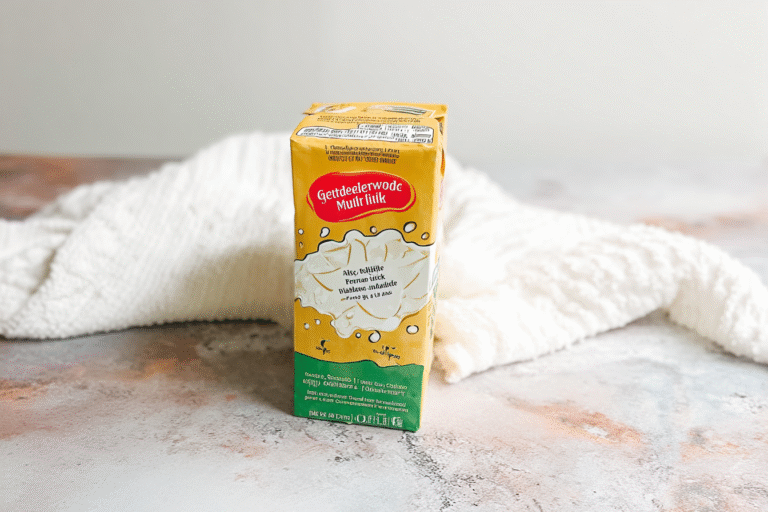
Substitute For Buttermilk
🥛 Create perfect buttermilk substitutes in minutes with simple pantry staples for all your baking needs
🍋 Never run out of buttermilk again with these easy alternatives that work perfectly in recipes calling for tangy buttermilk
- Total Time: 15 minutes
- Yield: 1 cup substitute
Ingredients
– 1 cup milk
– 1 tablespoon white vinegar
– 1 tablespoon lemon juice
– 1 cup plain yogurt
– 2-3 tablespoons water
– 3/4 cup plain yogurt
– 1/4 cup water or milk
– 1/2 cup sour cream
– 1 cup almond milk
– 1 cup soy milk
– 1 cup kefir
Instructions
1-First Step: Measure 1 cup milk into a glass measuring cup. Whole milk gives richest texture, but 2% works for everyday use. Pour slowly to avoid bubbles.
2-Second Step: Add 1 tablespoon white vinegar or fresh lemon juice. Stir gently with a spoon just once. The acid starts breaking down milk proteins right away.
3-Third Step: Let sit undisturbed at room temperature for 5-10 minutes. Watch for curds to form and surface to thicken, signaling perfect tanginess. Do not rush this rest period.
4-Fourth Step: For yogurt version, mix 3/4 cup plain yogurt with 1/4 cup water in a bowl. Whisk until smooth and pourable, about 30 seconds. Greek yogurt? Add up to 1/3 cup liquid.
5-Fifth Step: Vegan option: Swap milk with 1 cup unsweetened almond or soy milk plus 1 tablespoon acid. Rest same time. Ideal for smoothies or dairy-free pancakes.
6-Sixth Step: Kefir or sour cream: Use 1 cup kefir straight or blend 1/2 cup sour cream with 1/2 cup milk. Stir minimally to keep thickness.
7-Final Step: Use immediately in batters or marinades. Stir into dry ingredients last for max lift in baking. Yields 1 cup, scalable as needed.
Last Step:
Please leave a rating and comment letting us know how you liked this recipe! This helps our business to thrive and continue providing free, high-quality recipes for you.Notes
🌡️ Use room temperature milk for faster curdling and better results in your recipes
🥛 Whole milk creates the richest substitute, but any milk type works for different dietary needs
⏰ Make your substitute right before using it for the best texture and flavor in baked goods
- Prep Time: 5 minutes
- Category: Pantry Staples
- Method: No-Cook
- Cuisine: Universal
- Diet: Vegetarian
Nutrition
- Serving Size: 1 cup
- Calories: 100
- Sugar: 12g
- Sodium: 125mg
- Fat: 2.5g
- Saturated Fat: 1.5g
- Unsaturated Fat: 0.8g
- Trans Fat: 0g
- Carbohydrates: 12g
- Fiber: 0g
- Protein: 8g
- Cholesterol: 10mg