

Why You’ll Love This Tomato Soup
This creamy tomato soup recipe from scratch offers a comforting and delicious meal that brings warmth to any table. Whether you’re looking for a quick weeknight dinner or a cozy lunch on a cold day, this homemade tomato soup delivers rich flavors with minimal effort. **Ease of Preparation**: With just 30 minutes from start to finish, this easy creamy tomato soup recipe fits perfectly into busy schedules. The simple ingredients come together quickly, requiring only basic preparation and cooking techniques. Even beginners can master this recipe on their first try, making it accessible for home cooks of all skill levels. **Health Benefits**: Tomatoes are packed with essential nutrients including lycopene, a powerful antioxidant linked to numerous health benefits. Learn more about tomato health benefits that make this soup not just delicious but nutritious as well. The garlic adds another layer of wellness advantages, providing immune-boosting properties and heart-healthy compounds. Discover health benefits of garlic that contribute to your overall well-being. **Versatility**: This tomato soup recipe adapts easily to different dietary preferences and ingredient availability. Whether you need a vegetarian option, want to reduce calories, or prefer a chunkier texture, this recipe accommodates various modifications without compromising taste. It pairs perfectly with grilled cheese sandwiches, crusty bread, or a fresh salad for a complete meal. **Distinctive Flavor**: The combination of fresh basil, parmesan cheese, and just the right amount of cream creates a velvety smooth soup with complex, satisfying flavors. The subtle sweetness from caramelized onions balances the natural acidity of tomatoes, resulting in a perfectly balanced bowl of comfort that rivals restaurant-quality versions.Jump to:
- Why You’ll Love This Tomato Soup
- Essential Ingredients for Tomato Soup
- How to Prepare the Perfect Tomato Soup: Step-by-Step Guide
- First Step: Gather Your Ingredients and Equipment
- Second Step: Caramelize the Aromatics
- Third Step: Add Tomatoes and Simmer
- Fourth Step: Achieve Your Preferred Texture
- Fifth Step: Add Cream and Cheese
- Final Step: Serve with Garnishes
- Dietary Substitutions to Customize Your Tomato Soup
- Protein and Main Component Alternatives
- Vegetable, Sauce, and Seasoning Modifications
- Mastering Tomato Soup: Advanced Tips and Variations
- Pro Cooking Techniques
- Flavor Variations
- Presentation Tips
- Make-Ahead Options
- How to Store Tomato Soup: Best Practices
- Refrigeration
- Freezing
- Reheating
- Meal Prep Considerations
- FAQs: Frequently Asked Questions About Tomato Soup
- Can I make tomato soup with fresh tomatoes?
- What kind of stock or broth works best for tomato soup?
- Can I use canned whole tomatoes instead of crushed in tomato soup?
- Can I substitute dried basil for fresh basil in tomato soup?
- How do I fix tomato soup that’s too acidic or sour?
- Tomato Soup
- Ingredients
- Instructions
- Last Step:
- Notes
- Nutrition
- Did you make this recipe?
Essential Ingredients for Tomato Soup
Creating the best homemade tomato soup starts with quality ingredients. Each component plays a specific role in developing the rich, comforting flavors that make this recipe so special. Main Ingredients:- 4 tablespoons unsalted butter – Provides richness and helps sauté the onions to golden perfection
- 2 yellow onions, finely chopped (about 3 cups) – Forms the aromatic base and adds natural sweetness as they caramelize
- 3 garlic cloves, minced (about 1 tablespoon) – Adds depth and savory notes to the soup
- 56 ounces crushed tomatoes with their juice (two 28-ounce cans) – The foundation of the soup, providing body and fresh tomato flavor
- 2 cups chicken stock (homemade preferred) – Adds depth of flavor; substitute with vegetable broth for vegetarian option
- 1/4 cup chopped fresh basil, plus more for serving – Contributes bright, herbaceous notes and fresh aroma
- 1 tablespoon sugar – Balances the natural acidity of tomatoes for a perfectly rounded flavor
- 1/2 teaspoon black pepper, or to taste – Provides subtle warmth and enhances other flavors
- 1/2 cup heavy whipping cream – Creates the luxurious, velvety texture that makes this soup so comforting
- 1/3 cup freshly grated parmesan cheese – Adds nutty, salty complexity and additional richness
| Nutritional Information per 344 g serving | |
|---|---|
| Calories | 222 |
| Carbohydrates | 22 g |
| Protein | 7 g |
| Total Fat | 14 g |
| Saturated Fat | 8 g |
| Polyunsaturated Fat | 1 g |
| Monounsaturated Fat | 4 g |
| Trans Fat | 1 g |
| Cholesterol | 40 mg |
| Sodium | 422 mg |
| Potassium | 710 mg |
| Fiber | 4 g |
| Sugar | 12 g |
| Vitamin A | 895 IU |
| Vitamin C | 21 mg |
| Calcium | 140 mg |
| Iron | 3 mg |
How to Prepare the Perfect Tomato Soup: Step-by-Step Guide
Creating this delicious homemade tomato soup is straightforward when you follow these detailed instructions. The process flows smoothly from preparation to serving, resulting in a restaurant-quality soup in just 30 minutes. Preparation Time:- Prep time: 5 minutes
- Cook time: 25 minutes
- Total time: 30 minutes
First Step: Gather Your Ingredients and Equipment
Before you begin cooking, prepare all your ingredients. Chop the onions finely, mince the garlic cloves, and measure out all other ingredients. Having everything ready will make the cooking process smooth and enjoyable. Select a non-reactive pot like stainless steel, enamel-coated cast iron, ceramic, or glass to avoid any metallic taste. Avoid using aluminum, cast iron, or copper pots as tomatoes react with these metals and can affect the flavor. A nonreactive pot or enameled Dutch oven works best for this recipe.Second Step: Caramelize the Aromatics
Heat your chosen pot over medium heat. Add the 4 tablespoons of unsalted butter and allow it to melt completely. Once the butter is melted and bubbling gently, add the 2 finely chopped yellow onions. Cook the onions for 10 to 12 minutes, stirring occasionally to prevent sticking. You want them to become softened and golden brown, which develops their natural sweetness and creates a flavorful foundation for your soup. After the onions have reached the desired golden color, add the 3 minced garlic cloves and sauté for just 1 minute until fragrant. Be careful not to burn the garlic, as it can become bitter.Third Step: Add Tomatoes and Simmer
Stir in the 56 ounces of crushed tomatoes with their juice (two 28-ounce cans), 2 cups of chicken stock, 1/4 cup chopped fresh basil, 1 tablespoon of sugar, and 1/2 teaspoon of black pepper. If you’re making a vegetarian version, use vegetable broth instead of chicken stock. Bring the mixture to a boil, then reduce the heat to low. Partially cover the pot with a lid, leaving a small gap for steam to escape. Let the soup simmer for 10 minutes, allowing the flavors to meld together. This simmering time helps develop the depth of flavor and slightly thickens the soup.Fourth Step: Achieve Your Preferred Texture
After the initial simmering, decide on your preferred texture. For a creamy tomato soup, blend using an immersion blender directly in the pot until smooth. If you don’t have an immersion blender, carefully transfer the soup to a standard blender in batches, filling it only halfway to prevent hot soup from splashing. Blend each batch until smooth, then return to the pot. For a chunkier texture, skip the blending step entirely. The choice between creamy and chunky is entirely personal preference, though blending does create that velvety smooth restaurant-style consistency that many people love in tomato soup.Fifth Step: Add Cream and Cheese
Once you’ve achieved your desired texture, stir in 1/2 cup of heavy whipping cream and 1/3 cup of freshly grated parmesan cheese. The cream adds luxurious richness while the parmesan contributes a savory, nutty element that perfectly complements the tomatoes. Return the soup to a gentle simmer, stirring occasionally to ensure the cheese melts completely and incorporates throughout. At this point, season to taste with additional salt and pepper if needed. The amount of salt required will depend on the saltiness of your chicken stock and canned tomatoes, so taste carefully before adding more.Final Step: Serve with Garnishes
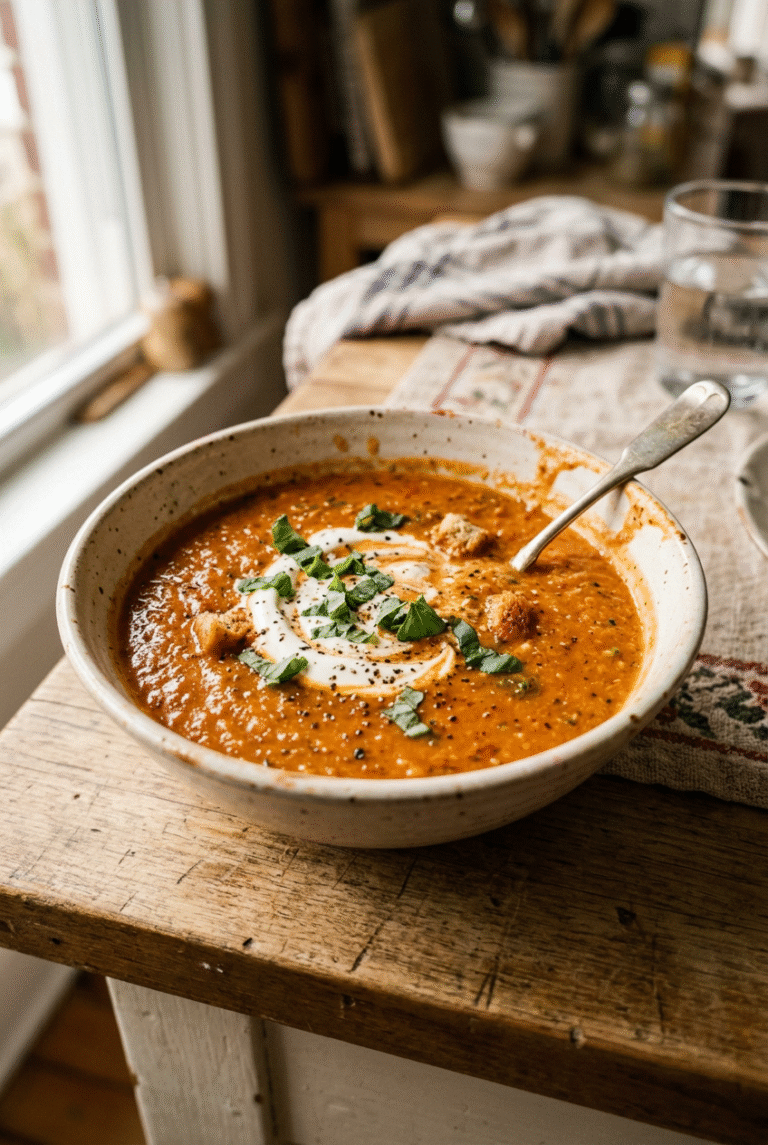
Serve the soup hot in warmed bowls for the best experience. Garnish with additional freshly grated parmesan cheese and fresh basil leaves for an elegant presentation. The garnishes not only make the soup visually appealing but also provide bursts of fresh flavor and texture in each spoonful. This soup pairs perfectly with grilled cheese sandwiches, crusty garlic bread, or a simple green salad for a complete, satisfying meal. The recipe makes approximately 6 servings, so you can enjoy it now or save some for later.
Dietary Substitutions to Customize Your Tomato Soup
Protein and Main Component Alternatives
This flexible tomato soup recipe accommodates various dietary needs and preferences through simple substitutions that maintain the delicious flavor profile. For vegetarians, the chicken stock can be replaced with an equal amount of vegetable broth. Look for low-sodium options to control the salt content, and consider making your own vegetable broth using carrots, onions, celery, and herbs for the freshest flavor. A mushroom-based broth adds extra umami depth that complements tomatoes beautifully. Vegans can enjoy this soup by substituting the heavy cream with full-fat coconut milk or a plant-based cream alternative made from cashews or almonds. For the parmesan cheese, try nutritional yeast for a cheesy, nutty flavor, or use a store-bought vegan parmesan alternative. These substitutions create a creamy, satisfying soup that’s entirely plant-based. For those looking to increase the protein content, consider adding white beans like cannellini or navy beans. Simply rinse and drain a can of beans and add them during the simmering step. You can leave them whole for texture or blend them with the soup for extra creaminess and protein without significantly changing the flavor. If you need a lighter version, replace half of the heavy cream with whole milk or half-and-half. This reduces the calorie and fat content while still providing some richness. Alternatively, use pureed white beans or cauliflower to create creaminess without dairy.Vegetable, Sauce, and Seasoning Modifications
Customizing the vegetables and seasonings allows you to adapt this soup to different taste preferences and seasonal availability. For added nutrition and natural sweetness, include grated carrots or diced red bell peppers when sautéing the onions. These vegetables complement the tomato flavor and increase the vitamin content. If you prefer a smoother soup without any vegetable chunks, blend these additions along with the tomatoes. Herb variations can completely transform the flavor profile. While basil is classic, try adding fresh oregano, thyme, or rosemary for different herbal notes. A sprig of fresh rosemary added during simmering and removed before serving adds pine-like complexity. Dried Italian seasoning blend makes a convenient alternative if you don’t have fresh herbs on hand. For those who enjoy a little heat, add red pepper flakes during the onion sauté or a splash of hot sauce at the end. Start with a small amount and adjust to your preference. A pinch of smoked paprika adds depth and a subtle smoky flavor that pairs wonderfully with tomatoes. If you find the soup too acidic, even after adding sugar, try incorporating a small amount of baking soda (about 1/4 teaspoon). It will foam slightly as it reacts with the acid, neutralizing the sharpness. Be careful not to add too much, as it can affect the flavor and make the soup taste soapy. To enhance the umami flavor, consider adding a tablespoon of tomato paste along with the crushed tomatoes. This concentrates the tomato flavor and gives the soup a deeper, more robust taste. A splash of balsamic vinegar or Worcestershire sauce can also add complexity and depth.Mastering Tomato Soup: Advanced Tips and Variations
These professional tips will help you achieve restaurant-quality results and create variations that suit any occasion.The secret to exceptional tomato soup lies in patience during the caramelization process and attention to ingredient quality. Small details make a significant difference in the final result.
Pro Cooking Techniques
Always use a non-reactive pot when cooking with tomatoes to avoid metallic flavors that can develop from reactive metals like aluminum, cast iron, or copper. Stainless steel, enamel-coated cast iron, ceramic, or glass pots are ideal choices. This small detail significantly affects the final taste of your soup. When sautéing the onions, take your time to properly caramelize them. This process, known as the Maillard reaction, creates complex flavor compounds that deepen the overall taste of the soup. Don’t rush this step; golden-brown onions provide much more flavor than pale ones. For the smoothest texture, strain the soup through a fine-mesh sieve after blending. This removes any remaining solids or tomato seeds, creating an ultra-smooth consistency similar to fine dining restaurants. Though this extra step is optional, it elevates the soup to a new level of refinement.Flavor Variations
Transform this classic soup into a roasted version by roasting the onions, garlic, and canned tomatoes in the oven before blending. Spread them on a baking sheet, drizzle with olive oil, and roast at 400°F for 25-30 minutes until slightly charred. Then proceed with the recipe as written for a deeper, smokier flavor profile. For a Mediterranean twist, add olives, capers, and a sprinkle of feta cheese before serving. This combination brings a briny, salty element that contrasts beautifully with the sweet tomatoes. A splash of white wine added during the simmering step also complements this variation. Create a southwest-inspired tomato soup by adding cumin, coriander, and a dollop of sour cream instead of heavy cream. Top with avocado, cilantro, and a squeeze of fresh lime juice. This version is particularly delicious served with tortilla chips or cornbread.Presentation Tips
Serve your soup in hollowed-out bread bowls for an impressive presentation that also adds to the meal. Simply cut the tops off round loaves of sourdough or hearty white bread, remove the interior, and ladle the hot soup inside. Create an elegant swirl by drizzling extra cream or olive oil on top of each bowl and running a toothpick through it to make decorative patterns. A light dusting of smoked paprika or freshly cracked black pepper adds visual interest and flavor contrast. Fresh garnishes make a significant difference in both appearance and taste. Try adding croutons, a pesto drizzle, or microgreens for a professional touch. These small additions show attention to detail and make a simple soup feel special.Make-Ahead Options
This tomato soup recipe is perfect for meal preparation. The flavors actually improve overnight as they have time to meld. Prepare a batch on Sunday and portion it into containers for easy lunches throughout the week. The soup will keep well in the refrigerator for 4-5 days. For longer storage, freeze the soup in individual portions. Leave out the cream and cheese if freezing, as dairy can sometimes separate when thawed and reheated. Add these ingredients when you’re ready to serve the frozen soup. Frozen soup maintains quality for up to 3 months. Consider making a double batch and freezing half for a future meal. This approach saves time and ensures you always have a comforting, homemade meal ready when you need it most. Label containers with the date for easy tracking.How to Store Tomato Soup: Best Practices
Proper storage ensures your delicious soup remains safe to eat and maintains its quality over time. Follow these guidelines for the best results.Refrigeration
Store leftover tomato soup in airtight containers in the refrigerator for 4-5 days. Allow the soup to cool completely before sealing the container to prevent condensation, which can lead to watery soup and bacterial growth. Glass containers are ideal as they don’t absorb odors or stains from the tomatoes. When reheating refrigerated soup, do so gently over medium-low heat, stirring occasionally to prevent sticking. You may need to add a splash of water, broth, or cream if the soup has thickened during storage. This brings it back to the proper consistency without diluting the flavor.Freezing
Tomato soup freezes exceptionally well for up to 3 months. For the best quality, freeze the soup before adding the cream and cheese. Dairy products can sometimes separate or become grainy when frozen and reheated. Add these fresh when you’re ready to serve the soup. Use freezer-safe containers or heavy-duty freezer bags. If using bags, lay them flat to freeze for space-efficient storage. Leave about an inch of space at the top of containers as liquids expand when frozen. Label each container with the date and contents for easy identification. To thaw frozen soup, transfer it to the refrigerator 24 hours before you plan to serve it. For quicker thawing, place the sealed container in a bowl of cold water, changing the water every 30 minutes. Never thaw at room temperature, as this allows bacteria to multiply rapidly.Reheating
Reheat thawed soup in a saucepan over medium-low heat, stirring occasionally. If the soup seems too thick, add a little water or broth to reach the desired consistency. Once heated through, stir in the cream and cheese, allowing the cheese to melt completely before serving. Avoid boiling the soup during reheating, as this can cause the dairy to separate. Gentle heating preserves the smooth texture and prevents the soup from becoming grainy. If you have a microwave, reheat individual portions in 1-minute intervals, stirring between each, until hot throughout.Meal Prep Considerations
Tomato soup is an excellent candidate for weekly meal prep. Prepare a batch on Sunday and divide it into individual portions for easy lunches throughout the week. This saves time and ensures you have a nutritious, homemade meal ready when busy schedules strike. Consider pairing your soup with pre-portioned sides like bread, crackers, or salad ingredients. Create a complete meal kit for each day by packaging everything together. This approach makes weekday lunches effortless and enjoyable. For variety, prepare different toppings or add-ons to change the flavor profile throughout the week. Croutons, fresh herbs, shredded cheese, or a dollop of pesto can transform the same basic soup into different meals, keeping your meal prep exciting.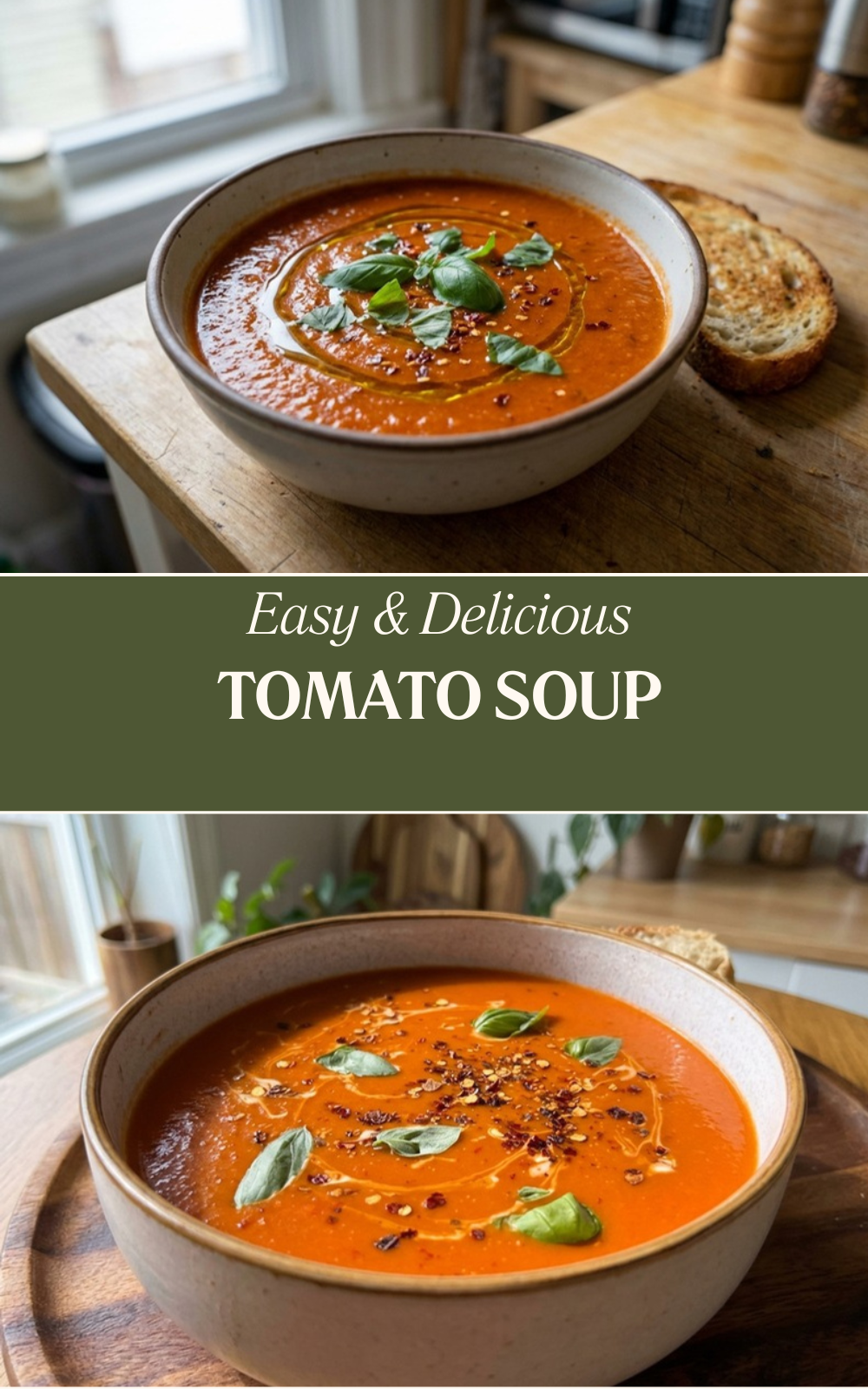
FAQs: Frequently Asked Questions About Tomato Soup
Can I make tomato soup with fresh tomatoes?
Yes, you can make tomato soup with fresh tomatoes, but it takes more prep time than using canned crushed tomatoes. Start by blanching 2-3 pounds of ripe tomatoes in boiling water for 30 seconds, then transfer to ice water to peel easily. Core and roughly chop them, then cook down in a pot with a bit of olive oil, onion, and garlic for 15-20 minutes until soft and broken down. Blend smooth before adding stock and seasonings. This method gives a brighter, seasonal flavor, especially in summer. For best results, use Roma or plum tomatoes as they’re less watery. If short on time, canned is simpler and consistent year-round. Taste and adjust salt, sugar, and cream after blending to balance flavors. Yields about 6 servings. (98 words)
What kind of stock or broth works best for tomato soup?
Homemade chicken stock adds rich, savory depth to tomato soup, elevating its flavor profile beyond basic canned tomatoes. Simmer chicken bones, carrots, onions, and celery for 4 hours, strain, and use 4 cups for a standard recipe. For vegetarian or vegan versions, opt for low-sodium vegetable broth made from mushrooms, leeks, and herbs—avoid overly sweet ones that clash with tomatoes. In a pinch, store-bought chicken or veggie broth works; dilute with water if too salty. Heat the stock gently with tomatoes, then simmer 20 minutes. This base prevents a flat taste. Pro tip: Taste midway and add a splash of Worcestershire sauce for umami. Always match dietary needs—veggie broth keeps it plant-based. Serves 4-6. (112 words)
Can I use canned whole tomatoes instead of crushed in tomato soup?
Absolutely, canned whole peeled tomatoes are a great substitute for crushed in tomato soup. Drain lightly if watery, then pulse in a food processor or blender 4-5 times until mostly smooth but with some texture—don’t over-process into puree. Add to the pot with onions and garlic, stirring as they break down further during 20-minute simmer. Use one 28-ounce can for a standard recipe. San Marzano varieties offer superior sweetness and fewer seeds. Season generously with salt, pepper, and a pinch of sugar post-blending. This method saves money since whole cans are cheaper. Blend soup fully at the end for creaminess. Balance with cream or milk if desired. Quick, foolproof swap. (104 words)
Can I substitute dried basil for fresh basil in tomato soup?
Yes, swap fresh basil for dried in tomato soup using a 1:3 ratio—1 tablespoon dried for every 3 tablespoons fresh (about 1/4 cup chopped). Add dried basil early when sautéing onions and tomatoes so it softens and infuses fully during the 20-25 minute simmer; fresh goes in at the end to preserve aroma. Dried basil is shelf-stable and potent, ideal for pantry staples. Stir into 4 cups crushed tomatoes with garlic and stock. Taste before serving—dried can be stronger, so start light. Reserve fresh leaves for garnish if available. This keeps the Italian herb profile intact without shopping trips. Pairs well with oregano too. Freezes excellently. (102 words)
How do I fix tomato soup that’s too acidic or sour?
Tomato soup turns too acidic from high-pectin tomatoes or metal pots reacting with acids—switch to stainless steel or enamel. Balance by stirring in 1-2 teaspoons sugar gradually, tasting each time; granulated white works best to mellow without altering color. Follow with 1/4 to 1/2 cup heavy cream or half-and-half off-heat for smoothness and fat to coat the tongue—dairy neutralizes sharpness. Simmer 5 minutes more. A pinch of baking soda (1/4 teaspoon) fizzes and cuts acid instantly but use sparingly to avoid soapy taste. Add grated carrot during cooking next time for natural sweetness. For vegan fix, use coconut milk. Always taste and adjust in layers. Transforms sour soup fast. (108 words)
Tomato Soup
🍅 Velvety, homemade creamy tomato soup from scratch – rich comfort packed with fresh flavors, no cans needed!
🥣 Ready in 30 minutes, balances acidity perfectly for ultimate cozy bowl with grilled cheese!
- Total Time: 30 minutes
- Yield: 6 servings
Ingredients
– 4 tablespoons unsalted butter – Provides richness and helps sauté the onions to golden perfection
– 2 yellow onions, finely chopped (about 3 cups) – Forms the aromatic base and adds natural sweetness as they caramelize
– 3 garlic cloves, minced (about 1 tablespoon) – Adds depth and savory notes to the soup
– 56 ounces crushed tomatoes with their juice (two 28-ounce cans) – The foundation of the soup, providing body and fresh tomato flavor
– 2 cups chicken stock (homemade preferred) – Adds depth of flavor; substitute with vegetable broth for vegetarian option
– 1/4 cup chopped fresh basil, plus more for serving – Contributes bright, herbaceous notes and fresh aroma
– 1 tablespoon sugar – Balances the natural acidity of tomatoes for a perfectly rounded flavor
– 1/2 teaspoon black pepper, or to taste – Provides subtle warmth and enhances other flavors
– 1/2 cup heavy whipping cream – Creates the luxurious, velvety texture that makes this soup so comforting
– 1/3 cup freshly grated parmesan cheese – Adds nutty, salty complexity and additional richness
Instructions
1-First Step: Gather Your Ingredients and Equipment Before you begin cooking, prepare all your ingredients. Chop the onions finely, mince the garlic cloves, and measure out all other ingredients. Having everything ready will make the cooking process smooth and enjoyable. Select a non-reactive pot like stainless steel, enamel-coated cast iron, ceramic, or glass to avoid any metallic taste. Avoid using aluminum, cast iron, or copper pots as tomatoes react with these metals and can affect the flavor. A nonreactive pot or enameled Dutch oven works best for this recipe.
2-Second Step: Caramelize the Aromatics Heat your chosen pot over medium heat. Add the 4 tablespoons of unsalted butter and allow it to melt completely. Once the butter is melted and bubbling gently, add the 2 finely chopped yellow onions. Cook the onions for 10 to 12 minutes, stirring occasionally to prevent sticking. You want them to become softened and golden brown, which develops their natural sweetness and creates a flavorful foundation for your soup. After the onions have reached the desired golden color, add the 3 minced garlic cloves and sauté for just 1 minute until fragrant. Be careful not to burn the garlic, as it can become bitter.
3-Third Step: Add Tomatoes and Simmer Stir in the 56 ounces of crushed tomatoes with their juice (two 28-ounce cans), 2 cups of chicken stock, 1/4 cup chopped fresh basil, 1 tablespoon of sugar, and 1/2 teaspoon of black pepper. If you’re making a vegetarian version, use vegetable broth instead of chicken stock. Bring the mixture to a boil, then reduce the heat to low. Partially cover the pot with a lid, leaving a small gap for steam to escape. Let the soup simmer for 10 minutes, allowing the flavors to meld together. This simmering time helps develop the depth of flavor and slightly thickens the soup.
4-Fourth Step: Achieve Your Preferred Texture After the initial simmering, decide on your preferred texture. For a creamy tomato soup, blend using an immersion blender directly in the pot until smooth. If you don’t have an immersion blender, carefully transfer the soup to a standard blender in batches, filling it only halfway to prevent hot soup from splashing. Blend each batch until smooth, then return to the pot. For a chunkier texture, skip the blending step entirely. The choice between creamy and chunky is entirely personal preference, though blending does create that velvety smooth restaurant-style consistency that many people love in tomato soup.
5-Fifth Step: Add Cream and Cheese Once you’ve achieved your desired texture, stir in 1/2 cup of heavy whipping cream and 1/3 cup of freshly grated parmesan cheese. The cream adds luxurious richness while the parmesan contributes a savory, nutty element that perfectly complements the tomatoes. Return the soup to a gentle simmer, stirring occasionally to ensure the cheese melts completely and incorporates throughout. At this point, season to taste with additional salt and pepper if needed. The amount of salt required will depend on the saltiness of your chicken stock and canned tomatoes, so taste carefully before adding more.
6-Final Step: Serve with Garnishes Serve the soup hot in warmed bowls for the best experience. Garnish with additional freshly grated parmesan cheese and fresh basil leaves for an elegant presentation. The garnishes not only make the soup visually appealing but also provide bursts of fresh flavor and texture in each spoonful. This soup pairs perfectly with grilled cheese sandwiches, crusty garlic bread, or a simple green salad for a complete, satisfying meal. The recipe makes approximately 6 servings, so you can enjoy it now or save some for later.
Last Step:
Please leave a rating and comment letting us know how you liked this recipe! This helps our business to thrive and continue providing free, high-quality recipes for you.Notes
🍲 Use non-reactive pot (stainless, enamel) to avoid metallic taste from tomatoes.
🍬 Balance acidity with sugar and cream – taste and adjust for perfection.
🌿 Fresh basil garnish adds bright finish; sub veg broth for vegetarian version.
- Prep Time: 5 minutes
- Cook Time: 25 minutes
- Category: Soup
- Method: Stovetop
- Cuisine: American
- Diet: Vegetarian
Nutrition
- Serving Size: 344g bowl
- Calories: 222 kcal
- Sugar: 12g
- Sodium: 422mg
- Fat: 14g
- Saturated Fat: 8g
- Unsaturated Fat: 5g
- Trans Fat: 1g
- Carbohydrates: 22g
- Fiber: 4g
- Protein: 7g
- Cholesterol: 40mg