

Why You’ll Love This Vegan Sesame Ramen
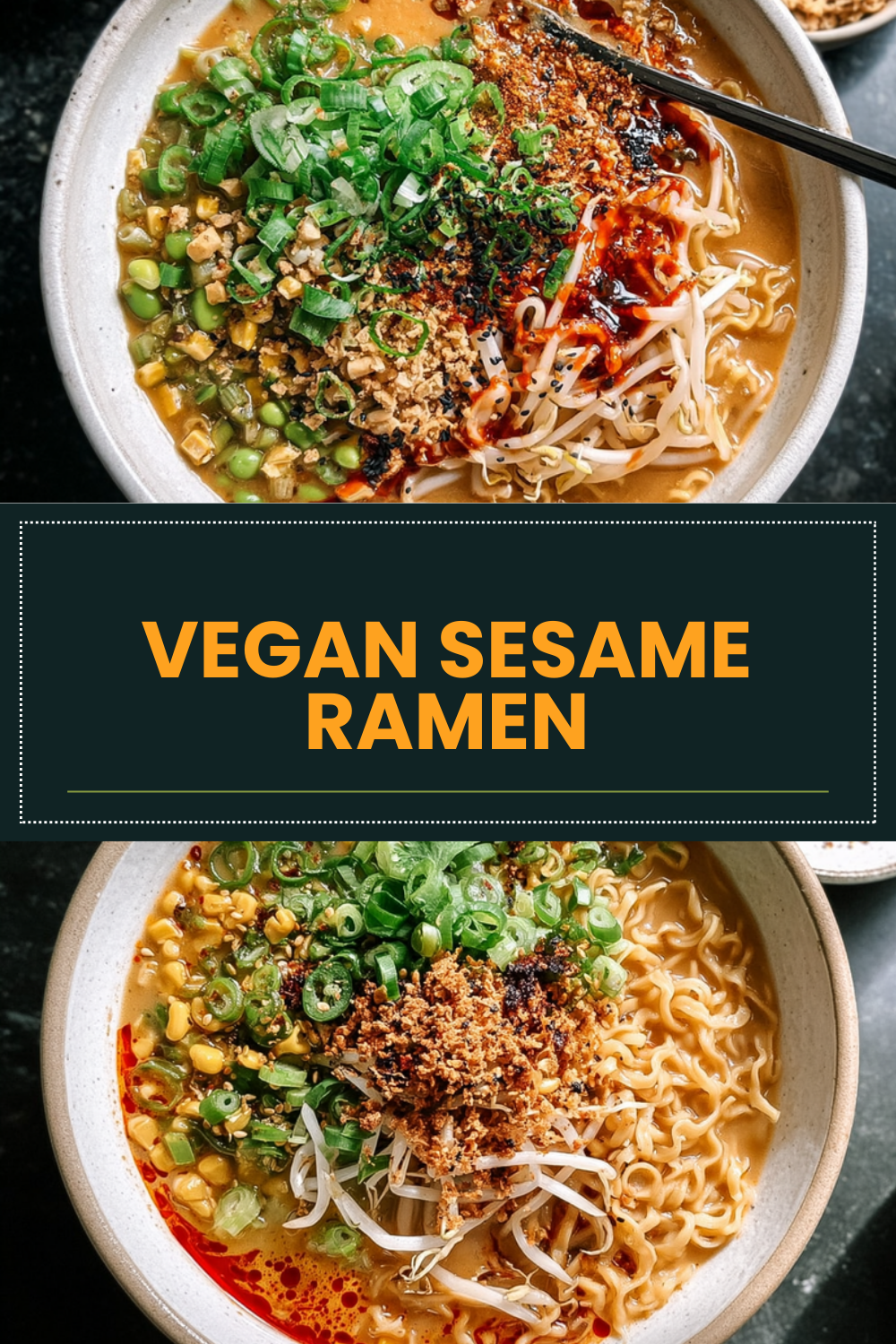
This vegan sesame ramen is a go-to dish that’s both simple and satisfying, perfect for anyone craving a hearty meal without the fuss. You’ll appreciate how it comes together in under 30 minutes with easy steps that even beginners can handle, using ingredients you likely have on hand or can find quickly. What makes it special is the creamy sesame-based broth paired with spicy tofu crumbles and fresh vegetables, offering a warming twist on traditional ramen that feels comforting yet light.
Beyond its ease, this recipe packs a punch of health benefits, including nutrient-rich veggies and plant-based proteins that keep things wholesome and delicious. It’s versatile too, letting you swap in gluten-free options or extra toppings to suit your needs. Whether you’re a busy parent whipping up dinner fast or a food enthusiast exploring new flavors, this vegan sesame ramen brings joy to your table every time.
The rich, nutty taste from sesame paste and soy milk creates a standout bowl that’s hard to resist, making it ideal for diet-conscious folks or anyone wanting a flavorful plant-based option. While it’s quick to prepare, the combination of umami from the broth and crunch from garnishes elevates it to something truly memorable. I’ve tried this on chilly evenings, and it always hits the spot, turning ordinary nights into fun cooking adventures.
Jump to:
- Why You’ll Love This Vegan Sesame Ramen
- Essential Ingredients for Vegan Sesame Ramen
- How to Prepare the Perfect Vegan Sesame Ramen: Step-by-Step Guide
- Assembling Your Bowl
- Dietary Substitutions to Customize Your Vegan Sesame Ramen
- Mastering Vegan Sesame Ramen: Advanced Tips and Variations
- How to Store Vegan Sesame Ramen: Best Practices
- FAQs: Frequently Asked Questions About Vegan Sesame Ramen
- Can I substitute tahini for Asian sesame paste in Vegan Sesame Ramen?
- What are good vegetable toppings to add to Vegan Sesame Ramen?
- How can I make the spicy tofu crumbles for this ramen recipe?
- What broth works best for Vegan Sesame Ramen?
- How do I keep the noodles from getting soggy when serving Vegan Sesame Ramen?
- Vegan Sesame Ramen
- Ingredients
- Instructions
- Last Step:
- Notes
- Nutrition
- Did you make this recipe?
Essential Ingredients for Vegan Sesame Ramen
Gathering the right ingredients is key to making this vegan sesame ramen shine, and here’s a full list based on the classic recipe. I’ll break it down into categories to keep things clear and help you shop easily. Remember, precise measurements ensure the flavors balance just right, so let’s get started with this structured list.
- 3 tablespoons Asian sesame paste
- 2 tablespoons soy sauce
- 1/2 tablespoon rice vinegar
- 1 tablespoon sesame oil
- 1 teaspoon rayu (Japanese red chili oil)
- 1 cup soy milk (250 ml)
- 1.5 cups kombu dashi broth or vegetable broth (300 ml)
- 100 grams soy meat or tofu
- 1 teaspoon garlic, minced
- 1 teaspoon ginger, minced
- 1/2 tablespoon soy sauce (for the crumbles)
- 1 teaspoon sake (optional)
- 1/2 tablespoon miso paste
- 1 teaspoon red chili oil (for the crumbles)
- 2 portions of ramen noodles
- 1/2 head of small cabbage, shredded
- 1 cup bean sprouts
- 1/2 cup corn
- Crushed peanuts (amount as desired for garnish)
- Sesame seeds (amount as desired for garnish)
- Sliced green onions (amount as desired for garnish)
- Sliced garlic tops (amount as desired for garnish)
- Soy sauce (to taste for garnish)
- Chili oil (to taste for garnish)
This list covers everything you need for a complete bowl, from the creamy soup base to the spicy crumbles and fresh veggies. If you’re adapting for dietary needs, like using gluten-free noodles, it’s all here to guide you. Fresh ingredients make a big difference, so pick the best you can find for that authentic taste.
How to Prepare the Perfect Vegan Sesame Ramen: Step-by-Step Guide
Diving into making vegan sesame ramen is straightforward and fun, with steps that build on each other for the best results. Start by preparing the spicy fried soy or tofu crumbles to add that punch of flavor to your bowl. For a detailed guide, soak soy meat in hot water for 5 minutes if using, or crumble tofu to get that minced texture.
Next, heat sesame oil in a skillet over medium-high heat and sauté the minced garlic and ginger until they’re fragrant. Then, add the crumbles along with sake if you have it, soy sauce, miso paste, and red chili oil, frying for 3-5 minutes until they turn slightly crispy. While that’s cooking, prepare your vegetable toppings by slicing them and steaming for about 3 minutes to keep them crisp and full of color.
Now, cook the ramen noodles in boiling water according to the package, which usually takes around 5 minutes, and drain them right away. For the soup base, first combine all the ingredients except the soy milk and broth into a smooth paste. Heat the soy milk and vegetable broth over medium-low heat until small bubbles form, then whisk in the paste until it’s fully dissolved for that creamy texture.
Assembling Your Bowl
To finish, place the cooked noodles in your bowls and pour the hot broth over half of them. Top with the spicy crumbles, steamed vegetables, and garnishes like crushed peanuts or sesame seeds. Add an extra drizzle of chili oil if you want more heat, and serve right away to keep everything fresh the whole process takes about 30 minutes, with 10 for prep and 20 for cooking.
Using fresh ramen noodles really boosts the texture, and you can vary the veggies like adding mushrooms or bamboo shoots for extra fun. Serve immediately to avoid sogginess, and if you’re planning ahead, make the soup paste in advance for even quicker meals. For a twist, soy milk adds creaminess, but almond or oat milk works too, with just a slight change in flavor.

Dietary Substitutions to Customize Your Vegan Sesame Ramen
Making vegan sesame ramen your own is easy with a few smart swaps, and these options keep the dish tasty and adaptable. For instance, if you’re looking to change the protein, you can replace tofu with tempeh for a firmer bite or seitan for more protein, as long as you’re not watching gluten. Edamame beans are another quick add-in that brings extra protein and a nice snap.
When it comes to veggies, swap spinach for kale or bok choy to mix things up based on what’s in season. For sauces, use tamari or coconut aminos in place of soy sauce to keep it gluten-free, and don’t hesitate to add chili oil or miso paste for more depth. Adjusting garlic and ginger lets you tweak the spice to your liking, ensuring everyone enjoys their bowl just right.
These changes help maintain the nutritional balance while fitting different preferences or allergies. You might even discover a new favorite combination that makes the ramen feel fresh every time. Remember, a little experimentation goes a long way in the kitchen.
Mastering Vegan Sesame Ramen: Advanced Tips and Variations
Taking your vegan sesame ramen to the next level involves some pro techniques that make all the difference. For starters, toast sesame seeds and grind them fresh to boost the aroma and flavor in your broth. Using homemade vegetable broth can add a richer taste, turning a simple meal into something more gourmet. Pair it with a simple side like a coffee cake for a balanced meal, as the sweetness complements the savory notes.
Experiment with flavor variations by incorporating roasted garlic or a splash of rice vinegar to cut through the richness. If you love spice, try adding chili paste or even lemon zest for a zesty twist. For presentation, serve in deep bowls and garnish with fresh herbs like cilantro, plus a drizzle of sesame oil to make it visually appealing and Instagram-worthy.
Make-ahead options are a game-changer for busy days prepare the broth and marinated tofu ahead, but store cooked noodles separately to keep their texture. These tips blend ease with creativity, helping you create dishes that impress without much effort. Once you master this, you’ll want to try more plant-based favorites.
How to Store Vegan Sesame Ramen: Best Practices
Keeping your vegan sesame ramen fresh for later is simple with the right storage tips, ensuring it tastes great even on reheated days. Store the leftover broth and components separately in airtight containers in the fridge for up to 3 days to lock in flavors. This way, you avoid any sogginess and keep everything ready for quick assembly.
If you’re freezing, only freeze the broth without the noodles for up to a month, as tofu and veggies might change texture. When reheating, gently warm the broth on the stove and add fresh noodles to keep them from getting mushy. For meal prep, portion out ingredients ahead so you can put together a bowl in minutes during the week.
These practices make it easy to enjoy vegan sesame ramen anytime, without losing that homemade quality. I always find prepping in advance helps on hectic schedules, turning this into a reliable favorite.
FAQs: Frequently Asked Questions About Vegan Sesame Ramen
Can I substitute tahini for Asian sesame paste in Vegan Sesame Ramen?
Yes, tahini can be used as a substitute for Asian sesame paste in Vegan Sesame Ramen. While tahini has a slightly different flavor—often nuttier and less sweet—it still provides a creamy texture. For best results, choose a smooth, unsweetened tahini and consider adding a small amount of toasted sesame oil to bring the flavor closer to traditional Asian sesame paste.
What are good vegetable toppings to add to Vegan Sesame Ramen?
Popular vegetable toppings that complement Vegan Sesame Ramen include bean sprouts, napa cabbage, corn, bamboo shoots, and mushrooms like shiitake, enoki, or oyster mushrooms. These vegetables add texture, flavor, and nutritional value. Lightly steaming or quickly sautéing them helps retain their freshness and crunch.
How can I make the spicy tofu crumbles for this ramen recipe?
To prepare spicy tofu crumbles, start by pressing firm tofu to remove excess moisture, then crumble it into small pieces. Fry the crumbles with minced garlic, ginger, soy sauce, miso paste, and a dash of chili oil (such as rayu) until they turn golden and slightly crispy. This adds a flavorful and protein-rich topping to the ramen.
What broth works best for Vegan Sesame Ramen?
Kombu dashi broth is ideal for Vegan Sesame Ramen because it offers a rich umami flavor without animal products. You can make kombu dashi by soaking kombu (kelp) in water and heating it gently. Alternatively, a well-seasoned vegetable broth also works as a flavorful base for this dish.
How do I keep the noodles from getting soggy when serving Vegan Sesame Ramen?
To prevent soggy noodles, cook them just until al dente, drain immediately, and rinse briefly with cold water to stop cooking. Add the noodles to the serving bowl just before pouring hot broth on them. Serving the ramen promptly ensures the noodles maintain their texture and don’t soak up too much liquid.
Vegan Sesame Ramen
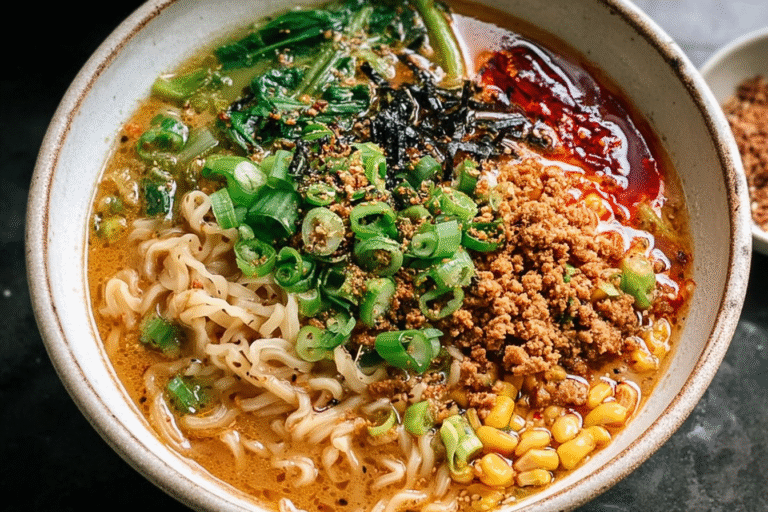
🍜 This Vegan Sesame Tantanmen offers a rich and creamy plant-based twist on traditional ramen with a flavorful sesame broth.
🌿 It’s a comforting and hearty dish packed with spicy tofu crumbles and fresh vegetables, perfect for a warming meal.
- Total Time: 30 minutes
- Yield: 2 servings 1x
Ingredients
3 tablespoons Asian sesame paste
2 tablespoons soy sauce
1/2 tablespoon rice vinegar
1 tablespoon sesame oil
1 teaspoon rayu (Japanese red chili oil)
1 cup soy milk (250 ml)
1.5 cups kombu dashi broth or vegetable broth (300 ml)
100 grams soy meat or tofu
1 teaspoon garlic, minced
1 teaspoon ginger, minced
1/2 tablespoon soy sauce for the crumbles
1 teaspoon sake (optional)
1/2 tablespoon miso paste
1 teaspoon red chili oil for the crumbles
2 portions of ramen noodles
1/2 head of small cabbage, shredded
1 cup bean sprouts
1/2 cup corn
Crushed peanuts for garnish
Sesame seeds for garnish
Sliced green onions for garnish
Sliced garlic tops for garnish
Soy sauce to taste for garnish
Chili oil to taste for garnish
Instructions
1-Diving into making vegan sesame ramen is straightforward and fun, with steps that build on each other for the best results. Start by preparing the spicy fried soy or tofu crumbles to add that punch of flavor to your bowl. For a detailed guide, soak soy meat in hot water for 5 minutes if using, or crumble tofu to get that minced texture.
2-Next, heat sesame oil in a skillet over medium-high heat and sauté the minced garlic and ginger until they’re fragrant. Then, add the crumbles along with sake if you have it, soy sauce, miso paste, and red chili oil, frying for 3-5 minutes until they turn slightly crispy. While that’s cooking, prepare your vegetable toppings by slicing them and steaming for about 3 minutes to keep them crisp and full of color.
3-Now, cook the ramen noodles in boiling water according to the package, which usually takes around 5 minutes, and drain them right away. For the soup base, first combine all the ingredients except the soy milk and broth into a smooth paste. Heat the soy milk and vegetable broth over medium-low heat until small bubbles form, then whisk in the paste until it’s fully dissolved for that creamy texture.
4-Assembling Your Bowl: To finish, place the cooked noodles in your bowls and pour the hot broth over half of them. Top with the spicy crumbles, steamed vegetables, and garnishes like crushed peanuts or sesame seeds. Add an extra drizzle of chili oil if you want more heat, and serve right away to keep everything fresh the whole process takes about 30 minutes, with 10 for prep and 20 for cooking.
Last Step:
Please leave a rating and comment letting us know how you liked this recipe! This helps our business to thrive and continue providing free, high-quality recipes for you.Notes
🌾 Use fresh ramen noodles if possible for better texture.
🥦 Vary vegetable toppings with mushrooms or bamboo shoots for more flavor.
🍲 Serve immediately to keep noodles and toppings from becoming soggy.
- Prep Time: 10 minutes
- Cooking: 20 minutes
- Cook Time: 20 minutes
- Category: Main Course
- Method: Sautéing and Boiling
- Cuisine: Japanese
- Diet: Vegan
Nutrition
- Serving Size: 1 bowl
- Calories: 450
- Sugar: 4g
- Sodium: 850mg
- Fat: 18g
- Saturated Fat: 3g
- Unsaturated Fat: 12g
- Trans Fat: 0g
- Carbohydrates: 55g
- Fiber: 6g
- Protein: 22g
- Cholesterol: 0mg