
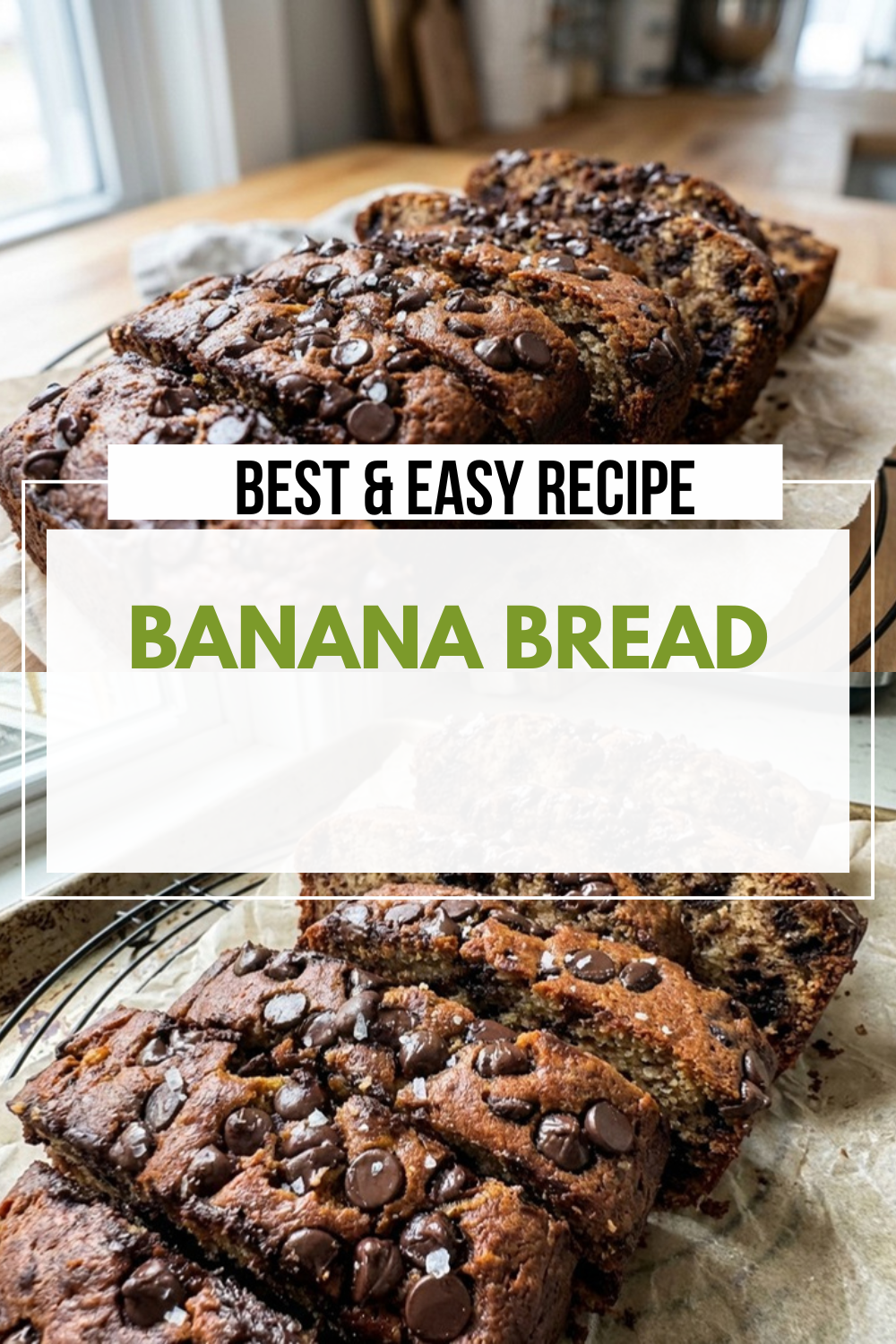
Why You’ll Love This Banana Bread
If you’re looking for a simple yet satisfying homemade treat, this banana bread recipe hits all the right notes. The moment you take your first bite of this moist, flavorful loaf, you’ll understand why it’s become a beloved favorite in kitchens everywhere. Whether you’re an experienced baker or just starting your culinary journey, this recipe delivers consistent results every single time.What makes this particular banana bread stand out from the rest? Let me share some reasons why this recipe might become your go-to choice for using up those overripe bananas sitting on your counter.
- Ease of preparation: With just 10 minutes of prep time and straightforward steps, this banana bread comes together without any fancy techniques or equipment. Even if you’re short on time, you can have a delicious loaf ready to enjoy in just over an hour, making it perfect for busy weekdays or lazy weekend mornings.
- Health benefits: This recipe provides a good balance of nutrition with 5 grams of protein, 3 grams of fiber, and essential vitamins and minerals including potassium, vitamin C, and iron. By using very ripe bananas, you get natural sweetness along with beneficial nutrients. Plus, with simple substitutions like whole wheat flour or honey, you can make it even healthier without sacrificing taste.
- Versatility: This banana bread adapts beautifully to your preferences and dietary needs. Whether you need nut-free options for allergies, want to reduce sugar, or prefer whole grain alternatives, the recipe accommodates various modifications while maintaining its delicious character.
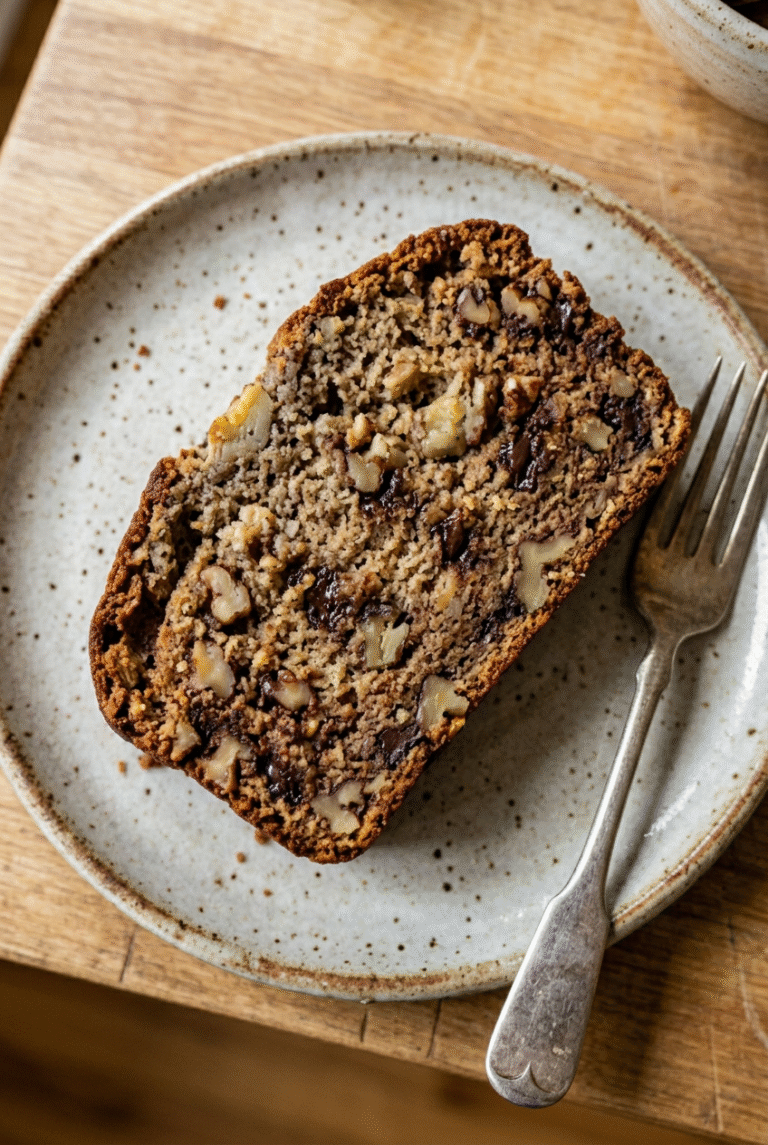
- Distinctive flavor: The combination of perfectly ripe bananas, vanilla extract, and optional walnuts and raisins creates a depth of flavor that sets this bread apart. The slight crunch from toasted walnuts and the natural sweetness from raisins complement the soft, tender crumb in a way that keeps everyone coming back for another slice.
Jump to:
- Why You’ll Love This Banana Bread
- Essential Ingredients for Banana Bread
- Main Ingredients
- Special Dietary Options
- How to Prepare the Perfect Banana Bread: Step-by-Step Guide
- First Step: Prepare Your Workspace and Ingredients
- Second Step: Toast and Prepare the Walnuts
- Third Step: Cream the Butter and Sugar
- Fourth Step: Add Bananas and Eggs
- Fifth Step: Incorporate Dry Ingredients
- Sixth Step: Add Flavorings and Mix-Ins
- Seventh Step: Bake to Perfection
- Final Step: Cool and Serve
- Dietary Substitutions to Customize Your Banana Bread
- Protein and Main Component Alternatives
- Vegetable, Sauce, and Seasoning Modifications
- Mastering Banana Bread: Advanced Tips and Variations
- Pro Cooking Techniques
- Flavor Variations
- Presentation Tips
- Make-Ahead Options
- How to Store Banana Bread: Best Practices
- Refrigeration
- Freezing
- Reheating
- Meal Prep Considerations
- FAQs: Frequently Asked Questions About Banana Bread
- How do I ripen bananas quickly for banana bread?
- Can I freeze overripe bananas for banana bread?
- Can I make banana bread without walnuts or raisins?
- How long do I bake banana bread as muffins?
- Can I substitute brown sugar for white sugar in banana bread?
- Banana Bread
- Ingredients
- Instructions
- Last Step:
- Notes
- Nutrition
- Did you make this recipe?
Essential Ingredients for Banana Bread
The secret to perfect banana bread starts with quality ingredients. Each component plays a specific role in creating the texture, flavor, and structure of your final loaf. Here’s what you’ll need to make this delicious recipe:Main Ingredients
- 3 very ripe bananas, medium/large size – The star ingredient that provides moisture, natural sweetness, and the signature banana flavor
- ½ cup unsalted butter (8 tablespoons), at room temperature – Creates richness and tender texture in the bread
- ¾ cup sugar (can substitute with honey for a healthier option) – Balances flavors and helps with browning and moisture retention
- 2 large eggs, lightly beaten – Provides structure and helps bind the ingredients together
- 1 ½ cups all-purpose flour (organic whole wheat flour can be used instead) – Forms the base structure of the bread
- 1 teaspoon baking soda – The leavening agent that helps the bread rise
- ½ teaspoon salt – Enhances flavor and balances sweetness
- ½ teaspoon vanilla extract – Adds depth and complexity to the flavor profile
- 1 cup walnuts (optional, can be omitted for nut-free) – Adds crunch, texture, and healthy fats
- ½ cup raisins (optional) – Provides chewy texture and natural sweetness
Special Dietary Options
This banana bread recipe can be easily customized to accommodate various dietary needs:
- Vegan: Substitute butter with plant-based alternatives, replace eggs with flax eggs or commercial egg replacers, and use maple syrup instead of honey
- Gluten-free: Use a 1-to-1 gluten-free flour blend instead of all-purpose flour, and ensure all other ingredients are certified gluten-free
- Low-calorie: Reduce sugar to ½ cup, use applesauce to replace half the butter, and omit nuts to lower the calorie count
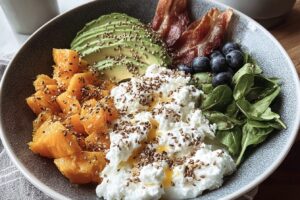
For those looking to expand their breakfast repertoire, try pairing a slice of this banana bread with these refreshing Greek yogurt bowls for a balanced morning meal.
How to Prepare the Perfect Banana Bread: Step-by-Step Guide
Creating a delicious loaf of banana bread is easier than you might think. Follow these detailed steps to achieve bakery-quality results right in your own kitchen. The process has been broken down into clear, manageable stages to ensure success for bakers of all experience levels.
First Step: Prepare Your Workspace and Ingredients
Before you begin mixing, it’s essential to have everything ready. Start by preheating your oven to 350°F. This ensures your banana bread starts baking immediately once you put it in the oven, which helps with proper rising. Next, prepare your loaf pan by greasing it thoroughly with butter or cooking spray, then lightly flouring it. The ideal pan dimensions are approximately 9.25 inches long, 5.25 inches wide, and 2.75 inches deep. This preparation prevents sticking and makes for easy removal later.
While the oven heats up, take your butter out of the refrigerator if you haven’t already. It needs to be at room temperature for proper creaming. This small detail makes a significant difference in the final texture of your bread. Gather all your ingredients and measure them precisely. Baking is a science, and accurate measurements ensure consistent results every time.
Second Step: Toast and Prepare the Walnuts
If you’re including walnuts in your recipe, this is the perfect time to prepare them. Place the walnuts in a dry skillet over medium heat. Toast them lightly while stirring continuously to prevent burning. This process enhances their natural flavor and adds a delightful crunch to your finished bread. Keep a close eye on them as nuts can go from perfectly toasted to burned very quickly.
Once the walnuts are fragrant and slightly golden, remove them from the heat and let them cool completely. After cooling, chop them coarsely. You want pieces large enough to provide noticeable texture but small enough to distribute evenly throughout the loaf. If you’re making nut-free banana bread for allergy reasons, simply skip this step.
Third Step: Cream the Butter and Sugar
In a mixing bowl, combine the softened butter and sugar. If you’re using honey as a healthier alternative, now’s the time to add it instead of sugar. Cream these ingredients together until they’re light and fluffy. This process incorporates air into the mixture, which helps create a lighter texture in your finished bread. An electric mixer makes this step easier, but you can also accomplish it with vigorous stirring using a wooden spoon or whisk.
Proper creaming typically takes 2-3 minutes with an electric mixer. You’ll notice the mixture becomes pale in color and increases in volume. This aeration is crucial for the bread’s structure. If you’re using honey instead of sugar, the mixture won’t become as fluffy, but it will still provide sweetness and moisture to your banana bread.
Fourth Step: Add Bananas and Eggs
Now it’s time to incorporate the star ingredient. Mash your very ripe bananas until they reach a chunky applesauce consistency. You don’t want them completely smooth small pieces of banana add delightful pockets of flavor throughout the bread. Add the mashed bananas to your creamed butter and sugar mixture.
Next, add your lightly beaten eggs. Mix everything until well blended. The combination of bananas and eggs creates the liquid base of your batter. At this stage, the mixture might look slightly curdled or separated, but don’t worry this is normal and will come together once you add the dry ingredients.
Fifth Step: Incorporate Dry Ingredients
In a separate bowl, whisk together the flour, baking soda, and salt. This step ensures that the leavening agent is evenly distributed throughout the flour, which helps your banana bread rise uniformly. Once combined, add these dry ingredients to your wet batter.
Mix gently just until the flour is incorporated. Be careful not to overmix, as this can develop the gluten in the flour and result in tough bread. Some small lumps are perfectly fine and will disappear during baking. The batter should be thick but still pourable.
Sixth Step: Add Flavorings and Mix-Ins
Add the vanilla extract to your batter for that signature aromatic flavor. If you’re using toasted walnuts and raisins, fold them in now. Use a spatula to gently distribute these ingredients evenly throughout the batter. If you prefer chocolate chips instead of nuts and raisins, this is when to add them about ½ to 1 cup depending on your preference.
Once everything is combined, pour the batter into your prepared loaf pan. Use your spatula to spread it evenly and smooth the top. Give the pan a gentle tap on the counter to release any air bubbles trapped in the batter.
Seventh Step: Bake to Perfection
Place your banana bread in the preheated oven and bake for 55 to 60 minutes. Every oven behaves differently, so start checking for doneness around the 50-minute mark. The bread is done when a toothpick inserted in the center comes out clean or with just a few moist crumbs clinging to it.
The top should be golden brown, and you’ll likely notice it has a delicious crack down the center this is perfectly normal and actually a good sign! If the bread is browning too quickly before it’s fully cooked, you can loosely tent it with aluminum foil for the last 10-15 minutes of baking.
Final Step: Cool and Serve
Remove the banana bread from the oven and let it rest in the pan for 10 minutes. This resting period is crucial as it allows the bread to set and makes removal much easier. After 10 minutes, run a knife around the edges of the pan to loosen the bread, then turn it out onto a wire rack to cool completely.
Resist the temptation to cut into the bread while it’s still warm, as it will be more likely to crumble. Once completely cooled, slice and enjoy! This bread is delicious on its own, but you can also serve it with a pat of butter, a drizzle of honey, or even a smear of cream cheese for an extra special treat.

Dietary Substitutions to Customize Your Banana Bread
One of the wonderful things about banana bread is its adaptability. Whether you have dietary restrictions or simply want to experiment with different ingredients, there are numerous ways to customize this recipe to suit your needs.
Protein and Main Component Alternatives
For those looking to increase the protein content of their banana bread, there are several excellent options. You can replace one or both eggs with Greek yogurt, which not only boosts protein but also adds moisture and a subtle tangy flavor. Alternatively, try adding a scoop of your favorite protein powder to the dry ingredients, though you may need to adjust the liquid slightly to maintain the proper consistency.
If you’re following a vegan diet, there are effective egg substitutes available. Commercial egg replacers work well in this recipe, or you can make a flax egg by mixing 1 tablespoon of ground flaxseed with 3 tablespoons of water and letting it sit for 5 minutes until it becomes gelatinous. While unsweetened applesauce might work as an egg substitute, it hasn’t been fully tested in this specific recipe, so proceed with that option cautiously.
For those with dairy sensitivities, the butter can be replaced with coconut oil for a subtle tropical note, or use a high-quality vegan butter alternative. These substitutes maintain the richness of the bread while accommodating dietary needs.
Vegetable, Sauce, and Seasoning Modifications
While this recipe doesn’t traditionally include vegetables, you can certainly add nutrition-packed options. Grated carrots or zucchini work beautifully in banana bread, adding moisture and vitamins without significantly altering the flavor. Consider adding ½ to 1 cup of grated vegetables along with the mashed bananas.
For sauce variations, try incorporating a tablespoon of peanut butter or almond butter into the batter for a nutty twist. A tablespoon of maple syrup or molasses can add depth of flavor and natural sweetness. If you enjoy spices, consider adding ½ teaspoon of cinnamon, a pinch of nutmeg, or even cardamom for a more aromatic loaf.
Salt can be adjusted based on preference or dietary needs. If you’re watching your sodium intake, reduce to ¼ teaspoon. Conversely, if using unsalted butter, the full ½ teaspoon helps bring out all the flavors. For those who enjoy a sweet and salty combination, a light sprinkle of flaky sea salt on top before baking creates a delightful contrast.
Mastering Banana Bread: Advanced Tips and Variations
Once you’ve mastered the basic recipe, there are numerous ways to elevate your banana bread and make it uniquely yours. These expert tips and creative variations will help you achieve bakery-quality results every time.
Pro Cooking Techniques
The secret to exceptionally moist banana bread lies in the ripeness of your bananas. Look for bananas that are heavily spotted or even completely black they may look past their prime, but they’re actually perfect for baking. At this stage, the starches have converted to sugars, making them incredibly sweet and easy to mash. If your bananas aren’t ripe enough, you can speed up the process by baking them at 250°F for 15-20 minutes or placing them in a paper bag with an apple for 24 hours.
Measuring flour correctly is crucial for preventing dry bread. Avoid scooping directly from the container, which compacts the flour and results in using too much. Instead, spoon the flour into your measuring cup and level it off with a knife. This simple technique ensures the proper flour-to-liquid ratio for a moist, tender crumb.
For those living at high altitudes, you may need to adjust both the oven temperature and baking time. Generally, increasing the temperature by 15-25°F and decreasing the baking time helps compensate for the lower air pressure. You might also need to slightly reduce the amount of sugar and increase the liquid to prevent the bread from drying out.
Flavor Variations
While this recipe is delicious as written, there are endless ways to customize the flavor profile. For a chocolate twist, replace the walnuts and raisins with chocolate chips, or try a combination of semi-sweet and white chocolate for extra indulgence. Peanut butter lovers can swirl ½ cup of peanut butter into the batter before baking for a marbled effect.
Seasonal variations offer exciting possibilities. In autumn, add ½ teaspoon of pumpkin pie spice and ¼ cup of pumpkin puree for a harvest-inspired loaf. Summer might call for the addition of ½ cup of fresh blueberries or diced strawberries. During winter holidays, incorporate ¼ cup of dried cranberries and a sprinkle of orange zest for a festive touch.
For those who enjoy a tropical twist, try adding shredded coconut and a splash of coconut milk. A teaspoon of coconut extract amplifies this flavor even further. Another delicious variation incorporates ¼ cup of cocoa powder for a chocolate banana bread that tastes remarkably like a banana split.
Presentation Tips
The visual appeal of your banana bread can be enhanced with simple presentation techniques. Before baking, arrange additional walnut halves or banana slices on top of the batter for an attractive finished look. A light dusting of powdered sugar after cooling adds an elegant touch and a bit of extra sweetness.
For serving, consider toasting individual slices and topping them with a dollop of whipped cream or a scoop of ice cream for a decadent dessert. A drizzle of honey or maple syrup adds both visual appeal and complementary flavor. If you’re serving this for brunch, a side of fresh berries creates a beautiful and balanced presentation.
If you enjoy baking breads and muffins, you might also like trying these delightful mini Earl Grey honey scones for a sophisticated tea-time treat.
Make-Ahead Options
Banana bread is an excellent candidate for meal prep and advance baking. The bread actually develops more flavor on the second day, making it perfect for preparing ahead of time. You can bake the loaf up to three days before serving, storing it at room temperature in an airtight container or wrapped tightly in plastic wrap.
For longer storage, consider baking the bread and freezing it before slicing. Wrap the completely cooled loaf tightly in plastic wrap, then place it in a freezer bag. It will keep for up to three months in the freezer. When you’re ready to enjoy it, simply thaw at room temperature or warm individual slices in the microwave for 20-30 seconds.
Another convenient make-ahead option is to prepare the dry and wet ingredients separately the night before. Keep the wet ingredients refrigerated and the dry ingredients at room temperature. In the morning, simply combine them and bake for fresh bread with minimal morning effort.
How to Store Banana Bread: Best Practices
Proper storage ensures your banana bread stays fresh and delicious for as long as possible. Whether you’re planning to enjoy it within a few days or want to keep it on hand for weeks, these storage methods will help maintain quality and flavor.
Refrigeration
For short-term storage of 3-5 days, keeping your banana bread at room temperature is actually ideal. Place the completely cooled bread in an airtight container or wrap it tightly in plastic wrap. Store it in a cool, dry place away from direct sunlight and heat sources. A bread box works wonderfully for this purpose.
If your kitchen is particularly warm or humid, or if you prefer to refrigerate your baked goods, banana bread will keep for about a week in the refrigerator. Wrap it well to prevent it from absorbing odors from other foods. Note that refrigeration can sometimes cause the bread to dry out slightly, so you may want to warm individual slices before serving to restore moisture.
Freezing
Freezing is an excellent option for long-term storage, preserving your banana bread for up to three months. For best results, wait until the bread has cooled completely, then wrap it tightly in plastic wrap followed by aluminum foil. This double layer of protection prevents freezer burn and maintains moisture.
Alternatively, you can slice the bread before freezing. Place the slices in a single layer on a baking sheet and freeze until solid, then transfer to a freezer bag. This method allows you to remove just one or two slices at a time without thawing the entire loaf. Frozen banana bread can be thawed at room temperature or warmed directly from frozen in a toaster or microwave.
Don’t forget that overripe bananas themselves can be frozen for future use. Freeze them unpeeled in a freezer bag for up to three months. When you’re ready to bake, simply thaw, peel, and mash. This ensures you always have ripe bananas on hand whenever the craving for banana bread strikes.
Reheating
Bringing stored banana bread back to its freshly baked glory is simple. For individual slices, a quick 20-30 second stint in the microwave restores warmth and softens any texture changes from refrigeration or freezing. For a crispier exterior, toast the slices in a toaster or toaster oven until lightly golden.
To warm an entire loaf, wrap it in foil and place it in a 300°F oven for 10-15 minutes. This gentle reheating method warms the bread without drying it out. For a special treat, try brushing the slices with a little melted butter before reheating for extra richness and flavor.
Meal Prep Considerations
Banana bread is an excellent choice for meal prep, offering convenient grab-and-go breakfasts or snacks throughout the week. Consider baking a double batch and freezing one loaf while enjoying the other. This rotation system ensures you always have fresh bread available without the need for frequent baking.
For school or work lunches, pre-slice the bread and wrap individual portions. This makes packing lunchboxes quick and easy, and portion control is already handled. The slices can be packed frozen in the morning and will be thawed and ready to eat by lunchtime.
If you’re planning to serve banana bread for a gathering or brunch, baking it a day ahead actually improves the flavor. The ingredients have time to meld, resulting in a more complex taste profile. Simply store it properly and bring it to room temperature before serving for the best texture and flavor.
FAQs: Frequently Asked Questions About Banana Bread
How do I ripen bananas quickly for banana bread?
Ripe bananas are key to moist banana bread, and you have two fast methods. For the quickest option, use the oven: place unpeeled bananas on a baking sheet and bake at 250°F for 15-20 minutes until black and soft. Let them cool before mashing. Alternatively, for a 24-hour method, put unpeeled bananas in a paper bag on your counter. Add an apple to trap ethylene gas and speed ripening. Avoid microwaving, as it makes bananas mushy and alters flavor. Always use bananas with lots of brown spots for natural sweetness—no added sugar needed. This works for 3-5 bananas per loaf. Test ripeness by easy peeling and creamy texture inside. (92 words)
Can I freeze overripe bananas for banana bread?
Yes, freezing overripe bananas preserves them perfectly for banana bread up to 3 months. Peel and slice into 1-inch pieces, then lay flat on a parchment-lined tray to freeze individually before transferring to a freezer bag. Or freeze whole unpeeled in a bag—thaw and peel later. When ready, thaw at room temperature or microwave briefly, then mash with a fork. Frozen bananas release more liquid, so drain excess for best texture. Use 3 medium bananas (about 1.5 cups mashed) per standard recipe. They’re also great for smoothies or nice cream. Label bags with dates to stay organized. (98 words)
Can I make banana bread without walnuts or raisins?
Absolutely, banana bread turns out soft and moist without walnuts or raisins. Simply skip them—the base recipe with flour, sugar, eggs, butter, and bananas holds up fine. For extra flavor, swap in ½ cup chocolate chips, dried cranberries, or shredded coconut. Nuts add crunch and protein (about 4g per ounce), but omitting keeps it nut-free for allergies. Raisins provide chewiness and natural sugars, yet the bread stays deliciously tender. Bake as directed: 60-70 minutes at 350°F in a 9×5 loaf pan. Toothpick test for doneness. Store slices in an airtight container for 3 days. (102 words)
How long do I bake banana bread as muffins?
Banana bread batter bakes perfectly as muffins—fill standard liners ¾ full and bake at 350°F for 18-22 minutes. Check with a toothpick; it should come out clean or with moist crumbs. Yields 12 muffins from one loaf recipe. Grease tins lightly or use paper liners for easy release. Muffins rise higher than loaves due to more surface area, so don’t overfill. Cool in pan 5 minutes, then on a rack. They freeze well up to 2 months—thaw overnight. For variations, add blueberries. See our full muffin baking guide for tips on perfect tops every time. (96 words)
Can I substitute brown sugar for white sugar in banana bread?
Yes, replace white sugar with brown sugar 1:1 for richer banana bread. Brown sugar’s molasses adds moisture, density, and caramel notes—ideal for banana’s sweetness. Use ¾ cup light or dark brown sugar per cup white. Pack it firmly when measuring to avoid dryness. Expect a darker color and stickier crumb. It pairs well with cinnamon or pecans. Bake time stays the same: 60-70 minutes at 350°F. Internal temp should hit 200°F for doneness. Leftovers stay fresh longer due to extra moisture—up to 5 days at room temp. Avoid lightening with white sugar for full flavor. (98 words)
Banana Bread
🍌 Discover the secret to incredibly moist banana bread that’s perfectly soft, flavorful, and uses overripe bananas for natural sweetness and tenderness.
🥖 This easy, no-fuss recipe delivers bakery-quality results at home, ideal for breakfast, snacks, or gifting to impress everyone.
- Total Time: 1 hour 10 minutes
- Yield: 1 loaf (10 servings)
Ingredients
– 3 very ripe bananas, medium/large size for moisture, natural sweetness, and banana flavor
– ½ cup unsalted butter (8 tablespoons), at room temperature for richness and tender texture
– ¾ cup sugar for balancing flavors, browning, and moisture retention
– 2 large eggs, lightly beaten for structure and binding
– 1 ½ cups all-purpose flour for base structure
– 1 teaspoon baking soda for leavening
– ½ teaspoon salt for enhancing flavor and balancing sweetness
– ½ teaspoon vanilla extract for flavor depth and complexity
– 1 cup walnuts (optional) for crunch, texture, and healthy fats
– ½ cup raisins (optional) for chewy texture and natural sweetness
Instructions
1-First Step: Prepare Your Workspace and Ingredients Before you begin mixing, it’s essential to have everything ready. Start by preheating your oven to 350°F. This ensures your banana bread starts baking immediately once you put it in the oven, which helps with proper rising. Next, prepare your loaf pan by greasing it thoroughly with butter or cooking spray, then lightly flouring it. The ideal pan dimensions are approximately 9.25 inches long, 5.25 inches wide, and 2.75 inches deep. This preparation prevents sticking and makes for easy removal later. While the oven heats up, take your butter out of the refrigerator if you haven’t already. It needs to be at room temperature for proper creaming. This small detail makes a significant difference in the final texture of your bread. Gather all your ingredients and measure them precisely. Baking is a science, and accurate measurements ensure consistent results every time.
2-Second Step: Toast and Prepare the Walnuts If you’re including walnuts in your recipe, this is the perfect time to prepare them. Place the walnuts in a dry skillet over medium heat. Toast them lightly while stirring continuously to prevent burning. This process enhances their natural flavor and adds a delightful crunch to your finished bread. Keep a close eye on them as nuts can go from perfectly toasted to burned very quickly. Once the walnuts are fragrant and slightly golden, remove them from the heat and let them cool completely. After cooling, chop them coarsely. You want pieces large enough to provide noticeable texture but small enough to distribute evenly throughout the loaf. If you’re making nut-free banana bread for allergy reasons, simply skip this step.
3-Third Step: Cream the Butter and Sugar In a mixing bowl, combine the softened butter and sugar. If you’re using honey as a healthier alternative, now’s the time to add it instead of sugar. Cream these ingredients together until they’re light and fluffy. This process incorporates air into the mixture, which helps create a lighter texture in your finished bread. An electric mixer makes this step easier, but you can also accomplish it with vigorous stirring using a wooden spoon or whisk. Proper creaming typically takes 2-3 minutes with an electric mixer. You’ll notice the mixture becomes pale in color and increases in volume. This aeration is crucial for the bread’s structure. If you’re using honey instead of sugar, the mixture won’t become as fluffy, but it will still provide sweetness and moisture to your banana bread.
4-Fourth Step: Add Bananas and Eggs Now it’s time to incorporate the star ingredient. Mash your very ripe bananas until they reach a chunky applesauce consistency. You don’t want them completely smooth small pieces of banana add delightful pockets of flavor throughout the bread. Add the mashed bananas to your creamed butter and sugar mixture. Next, add your lightly beaten eggs. Mix everything until well blended. The combination of bananas and eggs creates the liquid base of your batter. At this stage, the mixture might look slightly curdled or separated, but don’t worry this is normal and will come together once you add the dry ingredients.
5-Fifth Step: Incorporate Dry Ingredients In a separate bowl, whisk together the flour, baking soda, and salt. This step ensures that the leavening agent is evenly distributed throughout the flour, which helps your banana bread rise uniformly. Once combined, add these dry ingredients to your wet batter. Mix gently just until the flour is incorporated. Be careful not to overmix, as this can develop the gluten in the flour and result in tough bread. Some small lumps are perfectly fine and will disappear during baking. The batter should be thick but still pourable.
6-Sixth Step: Add Flavorings and Mix-Ins Add the vanilla extract to your batter for that signature aromatic flavor. If you’re using toasted walnuts and raisins, fold them in now. Use a spatula to gently distribute these ingredients evenly throughout the batter. If you prefer chocolate chips instead of nuts and raisins, this is when to add them about ½ to 1 cup depending on your preference. Once everything is combined, pour the batter into your prepared loaf pan. Use your spatula to spread it evenly and smooth the top. Give the pan a gentle tap on the counter to release any air bubbles trapped in the batter.
7-Seventh Step: Bake to Perfection Place your banana bread in the preheated oven and bake for 55 to 60 minutes. Every oven behaves differently, so start checking for doneness around the 50-minute mark. The bread is done when a toothpick inserted in the center comes out clean or with just a few moist crumbs clinging to it. The top should be golden brown, and you’ll likely notice it has a delicious crack down the center this is perfectly normal and actually a good sign! If the bread is browning too quickly before it’s fully cooked, you can loosely tent it with aluminum foil for the last 10-15 minutes of baking.
8-Final Step: Cool and Serve Remove the banana bread from the oven and let it rest in the pan for 10 minutes. This resting period is crucial as it allows the bread to set and makes removal much easier. After 10 minutes, run a knife around the edges of the pan to loosen the bread, then turn it out onto a wire rack to cool completely. Resist the temptation to cut into the bread while it’s still warm, as it will be more likely to crumble. Once completely cooled, slice and enjoy! This bread is delicious on its own, but you can also serve it with a pat of butter, a drizzle of honey, or even a smear of cream cheese for an extra special treat.
Last Step:
Please leave a rating and comment letting us know how you liked this recipe! This helps our business to thrive and continue providing free, high-quality recipes for you.Notes
🍌 Use very ripe, spotty bananas for the best moisture and natural sweetness in your bread.
🥜 Omit walnuts and raisins for a nut-free version; the bread stays deliciously moist.
🌡️ Ripen bananas faster by placing them in a paper bag with an apple overnight.
- Prep Time: 10 minutes
- Cook Time: 60 minutes
- Category: Breakfast
- Method: Baking
- Cuisine: American
- Diet: Vegetarian
Nutrition
- Serving Size: 1 slice
- Calories: 350 kcal
- Sugar: 20 g
- Sodium: 243 mg
- Fat: 18 g
- Saturated Fat: 7 g
- Unsaturated Fat: 11 g
- Trans Fat: 0 g
- Carbohydrates: 45 g
- Fiber: 3 g
- Protein: 5 g
- Cholesterol: 57 mg