

Why You’ll Love This Beef Lasagna
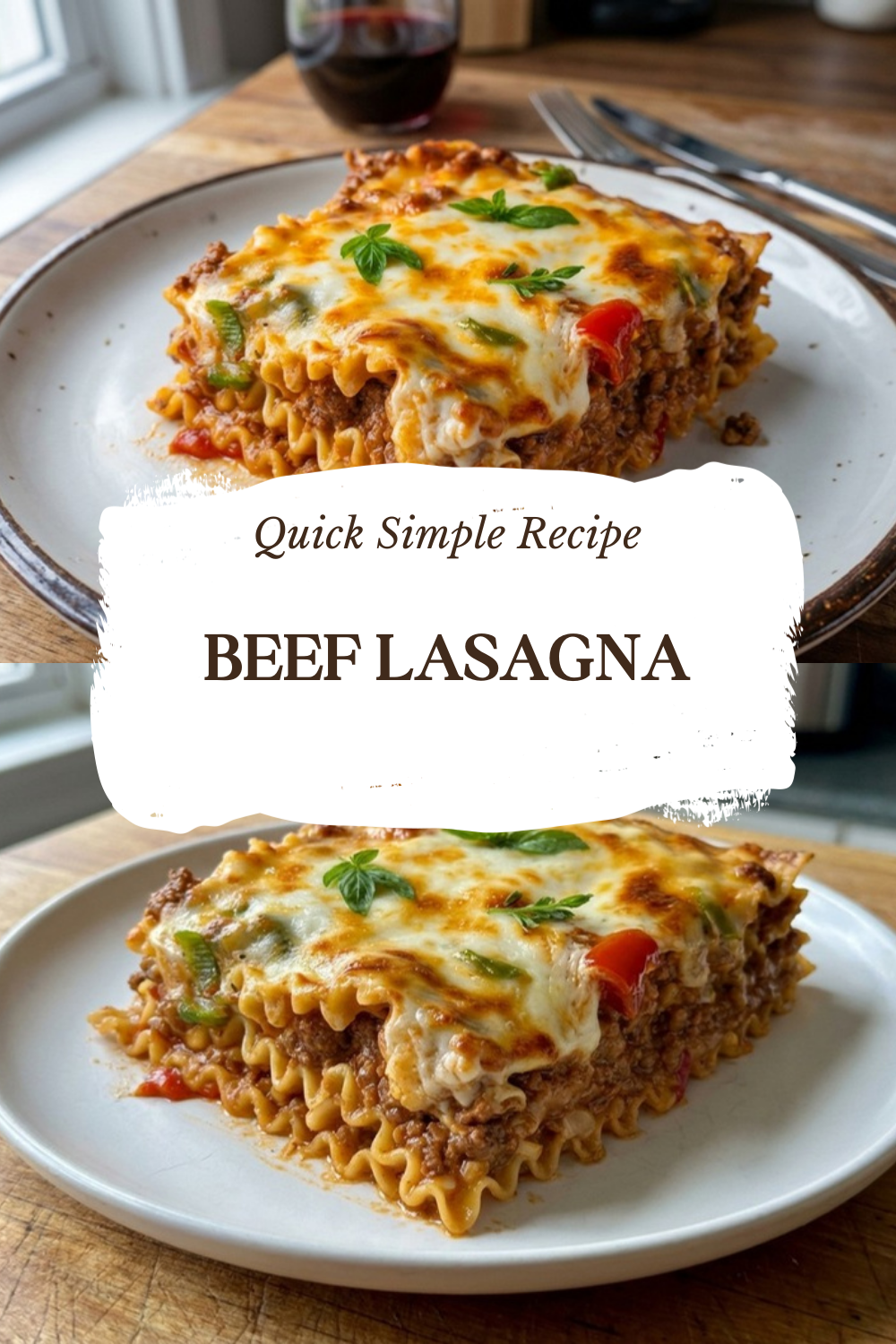
Beef Lasagna is a rich and moist family meal featuring layers of fresh egg pasta sheets filled with a mixture of veal and pork mince, Italian passata tomato sauce, and a trio of cheeses combined with béchamel sauce. The recipe emphasizes quality ingredients and patience for the best flavor. This classic Italian dish has been loved for generations, and for good reason!
Ease of preparation
Despite its impressive presentation, this beef lasagna recipe is surprisingly straightforward. With a prep time of just 15 minutes, you’ll have plenty of time to relax while the flavors develop. The slow cooking method does most of the work for you, resulting in tender, delicious layers without constant attention.
Health benefits
This family lasagna provides a good balance of protein from the meat and dairy, plus essential nutrients from the vegetables in the soffrito. According to health experts, beef provides important nutrients like iron, zinc, and B vitamins. When made with quality ingredients, lasagna can be part of a balanced diet.
Versatility
One of the best things about this easy lasagna recipe is its adaptability. You can easily modify ingredients to suit different dietary needs or what’s available in your kitchen. The classic beef lasagna recipe serves as a foundation for creative variations that will keep your family excited about mealtime.
Distinctive flavor
The combination of veal and pork creates a depth of flavor that you simply can’t achieve with beef alone. The slow-simmered ragù develops rich, complex notes, while the trio of cheeses adds creaminess and umami. Each bite offers a perfect balance of textures and tastes that make this family favorite lasagna recipe stand out from the rest.
Jump to:
- Why You’ll Love This Beef Lasagna
- Ease of preparation
- Health benefits
- Versatility
- Distinctive flavor
- Essential Ingredients for Beef Lasagna
- Main Ingredients:
- For béchamel sauce:
- Special Dietary Options:
- Vegan
- Gluten-free
- Low-calorie
- How to Prepare the Perfect Beef Lasagna: Step-by-Step Guide
- First Step: Prepare the Soffrito
- Second Step: Brown the Meat
- Third Step: Simmer the Ragù
- Fourth Step: Prepare the Béchamel
- Fifth Step: Assemble Your Lasagna
- Final Step: Bake and Rest
- Dietary Substitutions to Customize Your Beef Lasagna
- Protein and Main Component Alternatives
- Vegetable, Sauce, and Seasoning Modifications
- Mastering Beef Lasagna: Advanced Tips and Variations
- Pro cooking techniques
- Flavor variations
- Presentation tips
- Make-ahead options
- How to Store Beef Lasagna: Best Practices
- Refrigeration
- Freezing
- Reheating
- Meal prep considerations
- FAQs: Frequently Asked Questions About Beef Lasagna
- Why does a beef lasagna recipe call for veal and pork instead of just beef?
- Do I need to boil lasagna noodles before assembling beef lasagna?
- How much cheese do I need for a beef lasagna recipe?
- How long do I bake beef lasagna and at what temperature?
- Can I make beef lasagna ahead of time or freeze it?
- Beef Lasagna
- Ingredients
- Instructions
- Last Step:
- Notes
- Nutrition
- Did you make this recipe?
Essential Ingredients for Beef Lasagna
To create the perfect classic lasagna, you’ll need the following ingredients with their precise measurements:
Main Ingredients:
- 500 grams veal mince – Adds delicate flavor and tenderness to the ragù
- 500 grams pork mince – Provides richness and moisture to the meat sauce
- 1 carrot, diced into small cubes – Adds subtle sweetness and depth of flavor
- 1 celery stick, diced into small cubes – Contributes aromatic flavor to the soffrito
- ½ brown onion, diced into small cubes – Forms the flavor base of the ragù
- 2 bottles Italian passata (homemade preferred) – Provides the perfect tomato base for the sauce
- 1 glass red wine – Adds acidity and complexity to the meat sauce
- Salt and pepper to taste – Essential for seasoning and balancing flavors
- 200 250 grams provolone cheese – Adds a mild, smoky flavor and perfect melt
- 250 300 grams buffalo mozzarella or fior di latte (well drained) – Provides creamy, stretchy texture
- 120 150 grams grated pecorino or Parmigiano Reggiano – Adds salty, nutty umami notes
- Fresh egg lasagna pasta sheets – The foundation for perfect layers
- Extra virgin olive oil – Adds richness and authentic Italian flavor
For béchamel sauce:
- 25 grams butter – Creates the rich base for the white sauce
- 25 grams plain flour (about 1/8 cup) – Thickens the sauce to perfect consistency
- 250 ml milk – Creates the creamy white sauce texture
- Sprinkle of salt – Enhances overall flavor
- Sprinkle of nutmeg – Adds subtle warmth and depth
Special Dietary Options:
Vegan
Replace meat with plant-based ground meat alternatives, use vegan cheese substitutes, and create béchamel with plant-based milk. Nutritional yeast can add the umami flavor typically provided by cheese.
Gluten-free
Use gluten-free lasagna noodles and substitute the flour in the béchamel with a gluten-free all-purpose blend or cornstarch. Ensure all other ingredients, especially the passata, are certified gluten-free.
Low-calorie
Use lean ground meat or increase the proportion of vegetables in the ragù. Reduce the amount of cheese and use low-fat milk for the béchamel. Layer with thinly sliced vegetables like zucchini to add bulk without extra calories.
How to Prepare the Perfect Beef Lasagna: Step-by-Step Guide
This easy beef lasagna recipe requires patience but rewards you with incredible flavor. Here’s how to create this classic dish:
First Step: Prepare the Soffrito
Begin by dicing your vegetables into small, uniform cubes. You’ll need one carrot, one celery stick, and half a brown onion. Heat a generous amount of extra virgin olive oil in a large, heavy-bottomed pot over medium-low heat. Add the vegetables and cook slowly, stirring occasionally, until softened and translucent. This soffrito forms the aromatic foundation of your ragù, so take your time!
Second Step: Brown the Meat
Once your soffrito is softened, increase the heat to medium and add both the veal mince and pork mince. Use a wooden spoon to break down the meat as it browns, ensuring you create small, uniform pieces. This technique is crucial for a smooth, cohesive sauce. As the meat browns, add a glass of red wine and let it simmer until completely evaporated. The alcohol will cook off, leaving behind its wonderful flavor compounds.
Third Step: Simmer the Ragù
Stir in one and a half bottles of Italian passata, reduce the heat to medium-low, cover the pot, and let it simmer for one hour. Stir occasionally to prevent sticking. After the first hour, remove the lid, add a glass of water, and continue cooking uncovered for another hour. This second hour allows the sauce to reduce and thicken properly. The total cooking time for the ragù should be approximately two hours, which is essential for developing the deep, complex flavors characteristic of authentic Italian lasagna.
Fourth Step: Prepare the Béchamel
While the ragù simmers, prepare your béchamel sauce. Melt 25 grams of butter in a separate saucepan over low heat. Whisk in 25 grams of plain flour until smooth, creating a roux. Gradually add 250 ml of milk, stirring constantly to avoid lumps. Continue cooking over low heat, stirring frequently, until the sauce thickens to a creamy consistency. Season with a sprinkle of salt and a pinch of nutmeg. The nutmeg is a traditional addition that adds a subtle warmth without overwhelming the sauce.
Pro tip: If you find your béchamel is too thick, simply add a little more milk. If it’s too thin, continue cooking for a few more minutes while whisking constantly. The perfect béchamel should coat the back of a spoon.
Fifth Step: Assemble Your Lasagna
Preheat your oven to 180°C (350°F). Lightly oil a baking dish with extra virgin olive oil or melted butter. Cut your fresh egg lasagna pasta sheets to fit your dish. Begin layering: first a thin layer of meat sauce, then pasta sheets, followed by a sprinkle of grated pecorino or Parmigiano Reggiano, slices of provolone, pieces of fresh mozzarella, and finally a moderate layer of béchamel. Repeat this process for 5-6 layers, ending with a final layer of pasta topped with the remaining passata. Cover tightly with aluminum foil to trap steam during baking.
Final Step: Bake and Rest
Bake the lasagna covered at 180°C (350°F) for 20 minutes. Remove the foil and sprinkle additional grated pecorino or Parmigiano Reggiano over the top. Return to the oven and bake uncovered for 10 more minutes, until the cheese is melted and beginning to brown. This step is crucial for achieving that beautiful golden top! Once out of the oven, let the lasagna cool for at least 15-20 minutes before slicing. This resting period allows the layers to set, ensuring clean, presentable pieces when serving.

Dietary Substitutions to Customize Your Beef Lasagna
Protein and Main Component Alternatives
The classic beef lasagna recipe traditionally uses a blend of veal and pork mince for optimal flavor and texture. However, you can easily customize this based on preferences or availability. If you prefer not to use veal, substitute it entirely with ground beef. For a leaner option, use all ground turkey or chicken, though you may want to add a little extra olive oil to maintain moisture. Plant-based meat alternatives work well for vegetarian or vegan versions, providing both texture and protein content without animal products. When making substitutions, remember that different meats have different fat contents, which may affect cooking times and moisture levels.
Vegetable, Sauce, and Seasoning Modifications
The soffrito of carrot, celery, and onion provides the classic Italian flavor base, but you can expand on this. Consider adding finely diced red pepper for sweetness or spinach for extra nutrition. Mushrooms, either finely chopped or sliced, add umami and bulk without many calories. For the sauce, while Italian passata is traditional, you can use crushed tomatoes with a pinch of sugar to balance acidity. Fresh herbs like basil, oregano, and thyme can be added during the last 15 minutes of simmering for aromatic brightness. If you enjoy a bit of heat, incorporate crushed red pepper flakes or a splash of hot sauce into the meat mixture.
For those looking to try different flavor profiles, consider this recipe for Unicorn Popcorn as a fun dessert to serve after your lasagna dinner, adding a colorful touch to your meal.
Mastering Beef Lasagna: Advanced Tips and Variations
Pro cooking techniques
Breaking down the meat thoroughly during the browning process is essential for a moist, cohesive texture. Large chunks of meat can make the ragù feel chunky rather than smooth. Additionally, adding the wine while the meat is still browning helps deglaze the pan, incorporating all those flavorful browned bits into the sauce. When making the béchamel, warming the milk slightly before adding it to the roux helps prevent lumps and speeds up the thickening process. Another professional technique is to grate your own cheese rather than buying pre-grated versions, as the anti-caking agents in pre-grated cheese can prevent proper melting.
Flavor variations
While the classic recipe is delicious on its own, there are many ways to customize your lasagna. Incorporate a layer of wilted spinach between the pasta and cheese for added color and nutrition. For a white lasagna variation, replace the tomato sauce with additional béchamel mixed with sautéed mushrooms and leeks. A touch of cinnamon or allspice in the meat sauce adds a subtle warmth reminiscent of traditional Italian preparations. You could also create a four-cheese version by adding gorgonzola or fontina to your cheese mixture. Cheese experts suggest that different cheeses bring unique nutritional benefits and flavor profiles.
Presentation tips
For restaurant-quality presentation, let the lasagna rest for at least 20-30 minutes before cutting. This patience pays off with clean, beautiful slices that hold their shape. Use a sharp knife dipped in hot water to make clean cuts through all layers. Sprinkle fresh chopped basil or parsley over the top just before serving for a pop of color and fresh aroma. If you’re serving this at a dinner party, consider plating individual slices rather than serving family-style, garnishing each plate with a small sprig of fresh herbs.
Make-ahead options
This lasagna recipe is perfect for meal prep and busy schedules. You can assemble the entire dish up to 24 hours before baking, covering it tightly and refrigerating. This actually allows the flavors to meld even further! You can also make just the ragù and béchamel in advance, storing them separately for up to three days. For long-term planning, assemble the lasagna, wrap it well in plastic and then foil, and freeze for up to three months. This makes it an excellent option for holiday meals or unexpected guests. When freezing, consider using individual portions for quick, homemade meals on busy weeknights.
How to Store Beef Lasagna: Best Practices
Refrigeration
To store leftover beef lasagna in the refrigerator, allow it to cool completely before covering. Place in an airtight container or wrap tightly with plastic wrap and aluminum foil. Properly stored, it will keep in the refrigerator for 3-5 days. When reheating, cover with foil to prevent drying out, and warm at 160°C (325°F) until heated through. This method maintains the texture and prevents the sauce from separating.
Freezing
For longer storage, freezing is an excellent option. You can freeze either unbaked or baked lasagna. Wrap the dish tightly with plastic wrap followed by aluminum foil to prevent freezer burn. Label with the date and contents. Unbaked lasagna will keep for up to 3 months in the freezer, while baked lasagna maintains quality for about 2 months. Consider cutting the lasagna into individual portions before freezing for easier reheating of single servings.
Reheating
The best method for reheating frozen lasagna is to thaw it overnight in the refrigerator first, then bake at 160°C (325°F) covered with foil until heated through, approximately 30-40 minutes. Remove the foil for the last 10 minutes to recrisp the top. If reheating from frozen, increase the baking time to 60-90 minutes, still covered with foil for most of the time. For refrigerator leftovers, individual portions can be microwaved with a damp paper towel to maintain moisture.
Meal prep considerations
Lasagna is ideal for batch cooking and meal prep. The recipe serves 6, making it perfect for planning multiple meals. Consider making double the ragù and freezing half for a future quick meal. The sauce actually improves in flavor after a few days in the refrigerator. You can also assemble smaller lasagnas in individual containers for portion-controlled meals throughout the week. If you enjoy meal prepping, you might also like this Strawberry Shortcake Crunch Cake for a sweet addition to your weekly meal plan.
FAQs: Frequently Asked Questions About Beef Lasagna
Why does a beef lasagna recipe call for veal and pork instead of just beef?
Traditional Italian beef lasagna uses a ragù made from a mix of meats like veal and pork for deeper flavor and better texture after slow cooking. “Beef lasagna” refers to meat-based lasagna (vs. veggie or seafood versions), but the classic Bolognese-style ragù blends finely ground veal, pork, and sometimes beef. This combination melts into a rich sauce. Swap veal for ground beef if you prefer—use 300-400g total meat for a standard 9×13-inch dish. Brown the meat first, then simmer with tomatoes, wine, and herbs for 2-3 hours. The result is tender layers that hold up well. (72 words)
Do I need to boil lasagna noodles before assembling beef lasagna?
It depends on the type. Fresh pasta sheets (rolled to 1-1.5mm thick, like from an egg pasta dough) don’t need par-boiling—just layer directly with ragù and béchamel as they cook in the oven’s moisture. For dried no-boil sheets, follow package instructions; many brands work without boiling if covered well with sauce. Regular dried lasagna noodles require 2-3 minutes par-boiling per sheet to prevent a dry texture. Always overlap sheets slightly and use plenty of sauce on top. Bake covered at 180°C (350°F) for 40 minutes, then uncovered for 20 more until bubbly. (98 words)
How much cheese do I need for a beef lasagna recipe?
For a 9×13-inch beef lasagna serving 8-10, buy 200-250g provolone or mild melting cheese, 250-300g fresh mozzarella (drained well), and 120-150g grated Parmigiano Reggiano or Pecorino Romano. Slice provolone and mozzarella thinly for even layers; grate Parmesan for sprinkling between layers and on top. This yields about 3-4 layers without excess. Drain mozzarella to avoid watery lasagna. Provolone adds subtle smokiness, mozzarella creaminess, and Parmesan sharpness. Layer cheese sparingly in ragù, generously in béchamel for balance. Total cheese cost: around $15-20. (102 words)
How long do I bake beef lasagna and at what temperature?
Preheat oven to 180°C (350°F). Assemble lasagna in a greased 9×13-inch dish: start with ragù, add pasta sheets, ragù, béchamel, cheese; repeat 3-4 times, ending with béchamel and cheese. Cover tightly with foil to trap steam. Bake 40-45 minutes covered, then remove foil and bake 20-25 minutes more until golden and bubbling (internal temp 75°C/165°F). Rest 15-30 minutes before cutting for clean slices. Total time: 60-70 minutes. If frozen, thaw overnight and add 15-20 minutes. Serves 8-10; leftovers reheat at 160°C for 25 minutes. (108 words)
Can I make beef lasagna ahead of time or freeze it?
Yes, beef lasagna is perfect for prep-ahead. Assemble fully, cover tightly, and refrigerate up to 24 hours; add 10-15 minutes to bake time. For freezing, wrap unbaked or baked lasagna in plastic then foil; freeze up to 3 months. Thaw in fridge overnight before baking (or baking from frozen at 175°C for 1.5-2 hours, covered). Baked leftovers freeze in portions for 2 months—reheat at 160°C (325°F) covered with foil until hot. This saves time for holidays; one batch feeds a crowd. Label with date for best quality. (92 words)
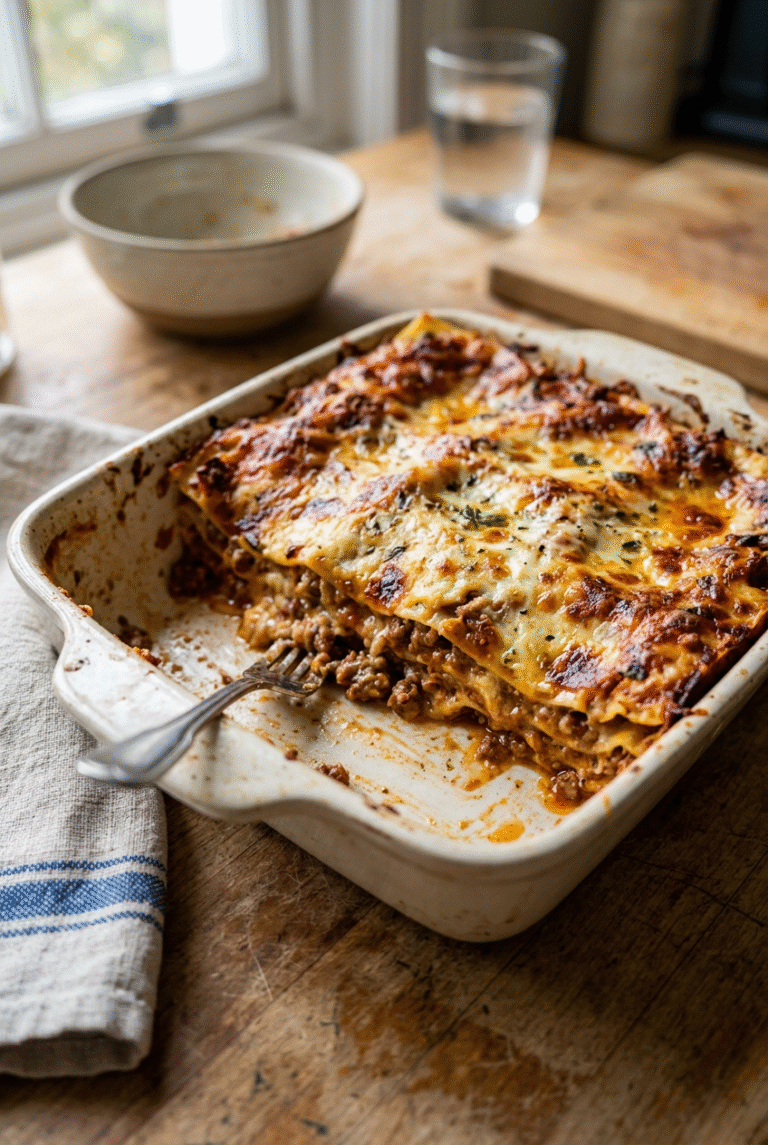
Beef Lasagna
🍝 Indulge in layers of rich, slow-simmered meat sauce, creamy béchamel, and gooey cheeses for the ultimate comfort food experience!
🥘 Easy-to-assemble classic family favorite that’s hearty, flavorful, and feeds a crowd with minimal fuss.
- Total Time: 3 hours 15 minutes
- Yield: 6 servings
Ingredients
– 500 grams veal mince – Adds delicate flavor and tenderness to the ragù
– 500 grams pork mince – Provides richness and moisture to the meat sauce
– 1 carrot, diced into small cubes – Adds subtle sweetness and depth of flavor
– 1 celery stick, diced into small cubes – Contributes aromatic flavor to the soffrito
– ½ brown onion, diced into small cubes – Forms the flavor base of the ragù
– 2 bottles Italian passata (homemade preferred) – Provides the perfect tomato base for the sauce
– 1 glass red wine – Adds acidity and complexity to the meat sauce
– Salt and pepper to taste – Essential for seasoning and balancing flavors
– 200 250 grams provolone cheese – Adds a mild, smoky flavor and perfect melt
– 250 300 grams buffalo mozzarella or fior di latte (well drained) – Provides creamy, stretchy texture
– 120 150 grams grated pecorino or Parmigiano Reggiano – Adds salty, nutty umami notes
– Fresh egg lasagna pasta sheets – The foundation for perfect layers
– Extra virgin olive oil – Adds richness and authentic Italian flavor
– 25 grams butter – Creates the rich base for the white sauce
– 25 grams plain flour (about 1/8 cup) – Thickens the sauce to perfect consistency
– 250 ml milk – Creates the creamy white sauce texture
– Sprinkle of salt – Enhances overall flavor
– Sprinkle of nutmeg – Adds subtle warmth and depth
Instructions
1-First Step: Prepare the Soffrito Begin by dicing your vegetables into small, uniform cubes. You’ll need one carrot, one celery stick, and half a brown onion. Heat a generous amount of extra virgin olive oil in a large, heavy-bottomed pot over medium-low heat. Add the vegetables and cook slowly, stirring occasionally, until softened and translucent. This soffrito forms the aromatic foundation of your ragù, so take your time!
2-Second Step: Brown the Meat Once your soffrito is softened, increase the heat to medium and add both the veal mince and pork mince. Use a wooden spoon to break down the meat as it browns, ensuring you create small, uniform pieces. This technique is crucial for a smooth, cohesive sauce. As the meat browns, add a glass of red wine and let it simmer until completely evaporated. The alcohol will cook off, leaving behind its wonderful flavor compounds.
3-Third Step: Simmer the Ragù Stir in one and a half bottles of Italian passata, reduce the heat to medium-low, cover the pot, and let it simmer for one hour. Stir occasionally to prevent sticking. After the first hour, remove the lid, add a glass of water, and continue cooking uncovered for another hour. This second hour allows the sauce to reduce and thicken properly. The total cooking time for the ragù should be approximately two hours, which is essential for developing the deep, complex flavors characteristic of authentic Italian lasagna.
4-Fourth Step: Prepare the Béchamel While the ragù simmers, prepare your béchamel sauce. Melt 25 grams of butter in a separate saucepan over low heat. Whisk in 25 grams of plain flour until smooth, creating a roux. Gradually add 250 ml of milk, stirring constantly to avoid lumps. Continue cooking over low heat, stirring frequently, until the sauce thickens to a creamy consistency. Season with a sprinkle of salt and a pinch of nutmeg. The nutmeg is a traditional addition that adds a subtle warmth without overwhelming the sauce.
5-Fifth Step: Assemble Your Lasagna Preheat your oven to 180°C (350°F). Lightly oil a baking dish with extra virgin olive oil or melted butter. Cut your fresh egg lasagna pasta sheets to fit your dish. Begin layering: first a thin layer of meat sauce, then pasta sheets, followed by a sprinkle of grated pecorino or Parmigiano Reggiano, slices of provolone, pieces of fresh mozzarella, and finally a moderate layer of béchamel. Repeat this process for 5-6 layers, ending with a final layer of pasta topped with the remaining passata. Cover tightly with aluminum foil to trap steam during baking.
6-Final Step: Bake and Rest Bake the lasagna covered at 180°C (350°F) for 20 minutes. Remove the foil and sprinkle additional grated pecorino or Parmigiano Reggiano over the top. Return to the oven and bake uncovered for 10 more minutes, until the cheese is melted and beginning to brown. This step is crucial for achieving that beautiful golden top! Once out of the oven, let the lasagna cool for at least 15-20 minutes before slicing. This resting period allows the layers to set, ensuring clean, presentable pieces when serving.
Last Step:
Please leave a rating and comment letting us know how you liked this recipe! This helps our business to thrive and continue providing free, high-quality recipes for you.Notes
🍖 Break down the mince thoroughly while browning for a moist, even texture throughout.
🍷 Incorporate red wine early for deeper flavor and tenderness in the sauce.
🧊 Freeze extra ragù sauce in portions for quick future lasagnas or pasta dishes.
- Prep Time: 15 minutes
- Cook Time: 3 hours
- Category: Main Course
- Method: Bake
- Cuisine: Italian
Nutrition
- Serving Size: 1/6 lasagna
- Calories: 685
- Sugar: 8g
- Sodium: 850mg
- Fat: 45g
- Saturated Fat: 20g
- Unsaturated Fat: 25g
- Trans Fat: 0g
- Carbohydrates: 40g
- Fiber: 3g
- Protein: 35g
- Cholesterol: 150mg