
Why You’ll Love This Chocolate Cake
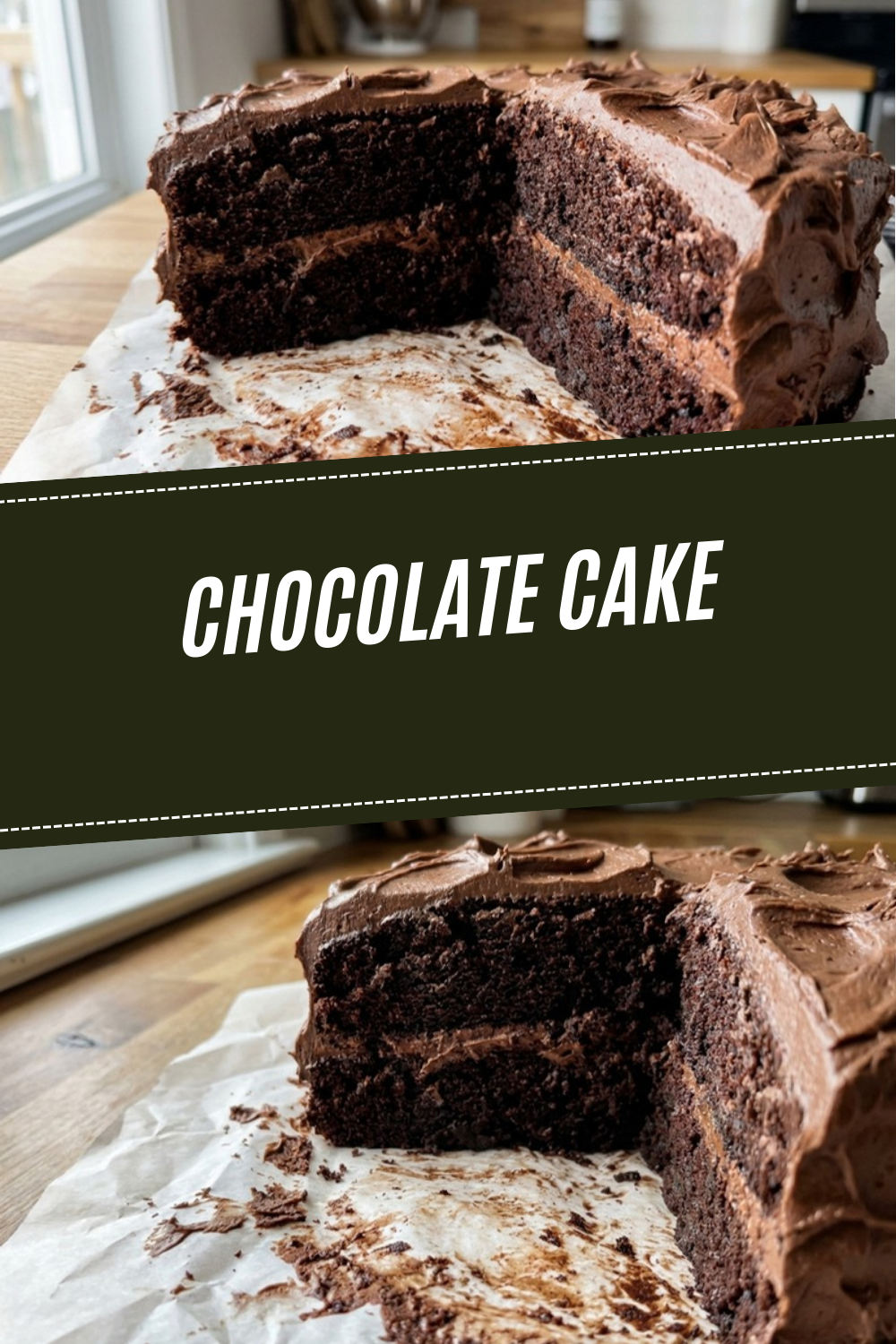
If you’re looking for a chocolate cake that’s both easy to make and full of rich, comforting flavor, this recipe will quickly become your new favorite to share with family and friends. There’s something special about a homemade chocolate cake that brings warmth to any gathering and creates lasting memories around the dessert table.
What Makes This Recipe Special
- Ease of preparation: This chocolate cake recipe comes together in just 15 minutes of prep time with straightforward steps that even beginning bakers can master. No complicated techniques or special equipment are needed just simple bowls and a mixer. The entire process from start to finish takes only 45 minutes, making it perfect for those busy weeknight desserts or last-minute birthday celebrations. Plus, the forgiving nature of this batter means even if you’re new to baking, you’ll end up with impressive results.
- Health benefits: While still a delicious treat, this chocolate cake recipe offers some surprising nutritional perks. At just 124 calories per serving, you can enjoy a slice without overindulging. The cocoa powder provides beneficial antioxidants and minerals, while the relatively modest fat content makes it lighter than many traditional cake recipes. The recipe also adapts easily to various dietary needs, allowing you to create a healthier version that still delivers on taste. For more health-conscious baking ideas, check out our funfetti greek yogurt muffins that balance nutrition and flavor.
- Versatility: This chocolate cake base works beautifully for any occasion, from casual family dinners to elegant celebrations. You can dress it up with fancy frosting for a wedding cake or keep it simple with a dusting of powdered sugar for everyday enjoyment. The recipe adapts easily to various dietary needs without compromising on taste or texture, making it inclusive for all your guests. Whether you’re celebrating a birthday, holiday, or just want to satisfy a chocolate craving, this cake delivers every time.
- Distinctive flavor: What sets this chocolate cake apart is its incredibly moist texture and deep, rich chocolate flavor. The secret lies in adding boiling water to the batter, which creates a chemical reaction that “blooms” the cocoa powder and releases its full flavor potential. A touch of espresso powder amplifies the chocolate notes without making the cake taste like coffee. This combination produces a cake that’s chocolate-forward without being overwhelmingly sweet, satisfying even the most dedicated chocolate lovers.
This chocolate cake recipe represents the perfect balance of simplicity and sophistication, making it an essential addition to any home baker’s repertoire. Whether you’re new to baking or have years of experience, this recipe delivers consistent results that will have everyone asking for seconds.
Jump to:
- Why You’ll Love This Chocolate Cake
- What Makes This Recipe Special
- Essential Ingredients for Chocolate Cake
- Main Ingredients
- Special Dietary Options
- How to Prepare the Perfect Chocolate Cake: Step-by-Step Guide
- Preparation and First Steps
- First Step: Oven and Pan Preparation
- Second Step: Measuring and Combining Dry Ingredients
- Third Step: Adding Wet Ingredients
- Fourth Step: The Boiling Water Magic
- Baking and Finishing
- Fifth Step: Baking Your Cake Layers
- Sixth Step: Cooling the Cakes
- Final Step: Frosting and Serving
- Dietary Substitutions to Customize Your Chocolate Cake
- Protein and Main Component Alternatives
- Vegetable, Sauce, and Seasoning Modifications
- Mastering Chocolate Cake: Advanced Tips and Variations
- Pro Cooking Techniques
- Flavor Variations
- Presentation Tips
- Make-Ahead Options
- How to Store Chocolate Cake: Best Practices
- Refrigeration
- Freezing
- Reheating
- Meal Prep Considerations
- FAQs: Frequently Asked Questions About Chocolate Cake
- What size pans should I use for a chocolate cake recipe?
- Can I substitute different oils in a chocolate cake recipe?
- How do I bake chocolate cake in 8-inch pans instead of 9-inch?
- Can I use a hand mixer for chocolate cake batter?
- Can I bake chocolate cake in a Bundt pan?
- Chocolate Cake
- Ingredients
- Instructions
- Last Step:
- Notes
- Nutrition
- Did you make this recipe?
Essential Ingredients for Chocolate Cake
Creating the perfect chocolate cake starts with gathering the right ingredients. Each component plays a crucial role in developing the flavor, texture, and structure of your cake. Here’s what you’ll need for this recipe:
Main Ingredients
- 2 cups all-purpose flour
- 2 cups sugar
- 3/4 cup unsweetened cocoa powder
- 2 teaspoons baking powder
- 1 1/2 teaspoons baking soda
- 1 teaspoon salt (use half amount if substituting with other salts)
- 1 teaspoon espresso powder
- 1 cup milk or buttermilk, almond milk, oat milk, or coconut milk
- 1/2 cup vegetable oil, canola oil, or melted coconut oil
- 2 large eggs (room temperature preferred)
- 2 teaspoons vanilla extract
- 1 cup boiling water
Special Dietary Options
This chocolate cake recipe adapts beautifully to various dietary needs without sacrificing flavor or texture:
- Vegan: Replace eggs with 2/3 cup unsweetened applesauce or a commercial egg replacer. Use plant-based milk options like almond or oat milk, and select a vegan-friendly oil.
- Gluten-free: Substitute the all-purpose flour with an equal amount of a high-quality gluten-free flour blend. Look for one that contains xanthan gum for best results in structure and texture.
- Low-calorie: Use a natural sugar substitute like stevia or erythritol (following package conversions) and swap half the oil for unsweetened applesauce to reduce fat content while maintaining moisture.
For those interested in exploring other baked goods with different nutritional profiles, our Scottish bannocks oatmeal scones offer a hearty, fiber-rich alternative that’s perfect for breakfast or afternoon tea.
How to Prepare the Perfect Chocolate Cake: Step-by-Step Guide
Follow this detailed guide to create your chocolate cake masterpiece. I’ve broken down the process into clear, manageable steps that ensure success every time. The key to great baking is reading through the entire recipe before beginning and preparing your workspace for an organized experience.
Preparation and First Steps
First Step: Oven and Pan Preparation
Start by preheating your oven to 350º F (175º C). Proper temperature is crucial for the chemical reactions that make your cake rise and set correctly. While the oven heats, prepare your baking pans. This recipe works best with two 9-inch round cake pans that are 2 inches deep. Generously grease each pan with butter, oil, or cooking spray, then lightly dust with flour, shaking out any excess. Alternatively, you can use a pan release product or line the bottoms with parchment paper rounds for guaranteed easy removal later. Taking this step thoroughly prevents the cake from sticking and ensures your beautiful layers come out intact.
Second Step: Measuring and Combining Dry Ingredients
In a large mixing bowl or the bowl of your stand mixer, combine all your dry ingredients. Add the 2 cups of all-purpose flour, 2 cups of sugar, 3/4 cup of unsweetened cocoa powder, 2 teaspoons of baking powder, 1 1/2 teaspoons of baking soda, 1 teaspoon of salt, and 1 teaspoon of espresso powder. Whisk these ingredients together thoroughly until they are well combined and uniform in color. This step distributes the leavening agents evenly throughout the flour, ensuring your cake rises consistently. There’s no need to sift these ingredients as long as you whisk well to break up any small lumps in the cocoa powder. For the most accurate results, use the spoon-and-level method for measuring your flour spooning it into your measuring cup and leveling off the excess with a straight edge rather than scooping directly, which can compact the flour and throw off the ratio.
Third Step: Adding Wet Ingredients
With your dry ingredients ready, it’s time to add the wet components. Pour in 1 cup of milk (dairy or your preferred plant-based alternative), 1/2 cup of vegetable oil (or canola or melted coconut oil), 2 large eggs (at room temperature if possible, as they incorporate better), and 2 teaspoons of vanilla extract. Using a stand mixer or hand mixer on medium speed, blend these ingredients into the dry mixture. Mix just until incorporated there’s no need to worry about overmixing at this stage since we’ll be adding more liquid shortly. The mixture will appear somewhat thick and may have a few small lumps, which is perfectly normal. If you’re using a stand mixer, the paddle attachment works best for this step. For those who enjoy mixing by hand, ensure you’re thorough in combining the wet and dry ingredients to prevent flour pockets in the final cake.
Fourth Step: The Boiling Water Magic
This next step might seem unusual, but trust me it’s the secret to an incredibly moist chocolate cake. Reduce your mixer speed to low and carefully pour in 1 cup of boiling water. Take caution during this step to avoid splashing hot water. The batter will immediately become very thin, which might seem alarming if you’re used to thicker cake batters, but this is exactly what you want. Continue mixing until the batter is smooth and uniform in consistency. The boiling water “blooms” the cocoa powder, releasing its full flavor potential and creating chemical reactions with the baking soda that help the cake rise. This technique is used in many simple chocolate cake recipes for guaranteed moistness. The hot liquid also gelatinizes some of the starch in the flour, which contributes to the tender texture of the finished cake.
Baking and Finishing
Fifth Step: Baking Your Cake Layers
Once your batter is smooth, divide it evenly between your two prepared cake pans. You can use a kitchen scale for precision or simply eyeball it by pouring slowly back and forth between the pans. Place both pans in the center of your preheated oven, leaving a little space between them for air circulation. Bake for 30 to 35 minutes. The cake is done when the edges have started to pull slightly away from the sides of the pan, and a toothpick inserted into the center comes out clean or with just a few moist crumbs clinging to it. Avoid opening the oven door too early, as this can cause the cake to fall. If your oven has hot spots, rotate the pans halfway through the baking time for even results. The tops should spring back lightly when touched with your finger when they’re fully baked.
Sixth Step: Cooling the Cakes
Proper cooling is essential for a successful cake. Remove the pans from the oven and set them on a wire rack. Let the cakes cool in the pans for exactly 10 minutes no longer, or they may begin to steam and become soggy. After this brief cooling period, run a thin knife around the edges of each pan to loosen the cakes. Place a wire rack on top of each pan and carefully invert to release the cake. Gently tap the bottom of the pan if needed to help the cake release. Peel off the parchment paper if you used it, then let the cakes cool completely on the wire racks. This usually takes about 1 to 2 hours depending on your kitchen temperature. The cakes must be completely cool before frosting, or the frosting will melt and slide off. You can speed up this process by placing the wire racks in the refrigerator for 20-30 minutes, but avoid freezing them at this stage.
Final Step: Frosting and Serving
Once your cakes are completely cool, you’re ready to assemble and frost them. Place one cake layer on your serving plate or cake stand. Spread your desired frosting over the top chocolate buttercream is the classic choice, but cream cheese frosting, whipped ganache, or even a simple dusting of powdered sugar all work beautifully. Place the second cake layer on top, then frost the top and sides of the entire cake. For the smoothest finish, apply a thin “crumb coat” of frosting first, chill briefly, then apply the final layer of frosting. Decorate as desired with chocolate shavings, sprinkles, fresh berries, or simply leave it elegantly plain. Serve at room temperature for the best flavor and texture. This cake actually improves slightly after sitting for a day, allowing the flavors to meld, so it’s perfect for making ahead of time for special occasions.

Dietary Substitutions to Customize Your Chocolate Cake
One of the beauties of this chocolate cake recipe is its adaptability. Whether you’re accommodating allergies, following a specific diet, or simply working with what you have in your pantry, these substitutions will help you create a delicious cake that meets your needs without compromising on taste or texture.
Protein and Main Component Alternatives
The main components that give this chocolate cake its structure and binding properties can be adjusted for various dietary preferences:
Egg Alternatives: For those avoiding eggs, you have several excellent options. Replace each egg with 1/4 cup of unsweetened applesauce (total 1/2 cup for the recipe), which adds moisture and helps bind the ingredients. Alternatively, commercial egg replacers work well when prepared according to package directions. Flax eggs (1 tablespoon ground flaxseed mixed with 3 tablespoons water per egg) can also be used, though they may add a subtle nutty flavor and slightly darker color to your chocolate cake. Each egg substitution might slightly increase the baking time, so start checking for doneness about 5 minutes earlier than the original recipe suggests.
Flour Alternatives: To make this cake gluten-free, simply substitute the all-purpose flour with a measure-for-measure gluten-free flour blend. These blends typically contain a mix of rice flours, starches, and xanthan gum to mimic the properties of wheat flour. For a whole grain version, you can replace up to half of the all-purpose flour with whole wheat flour, though this will result in a slightly denser cake with a more pronounced grain flavor. For a protein boost, consider using almond flour for up to one-quarter of the flour measurement, keeping in mind that this will change the texture slightly to a more tender, moist crumb.
Vegetable, Sauce, and Seasoning Modifications
Customize the flavor profile and moisture content of your chocolate cake with these thoughtful substitutions:
Liquid Alternatives: While cow’s milk provides traditional results, you can successfully use plant-based milks like almond, oat, soy, or coconut milk. Oat milk offers a creamy consistency similar to dairy, while coconut milk will add a subtle tropical note to your cake. Buttermilk creates a slightly tangier flavor and more tender crumb due to its acidity, which reacts with the baking soda. For an extra rich chocolate cake, try replacing half of the water with strong brewed coffee this intensifies the chocolate flavor without making the cake taste predominantly of coffee. The benefits of chocolate are preserved while creating a deeper chocolate experience.
Fat Alternatives: While the recipe calls for vegetable oil for a moist, tender crumb, you can experiment with other fats. Melted coconut oil adds a subtle coconut flavor and contains beneficial medium-chain fatty acids. If you prefer the taste of butter, you can substitute the oil with an equal amount of melted butter, though this may result in a slightly firmer texture. For a lower-fat version, replace half the oil with unsweetened applesauce or mashed banana, keeping in mind that these will add subtle flavors to your cake. Avocado oil is another excellent option that provides heart-healthy fats while remaining neutral in flavor.
Flavor Enhancements: The espresso powder in the recipe amplifies chocolate flavor without adding a coffee taste, but if you don’t have any on hand, you can omit it or substitute with an equal amount of instant coffee dissolved in a small amount of the boiling water. For additional flavor depth, consider adding a teaspoon of cinnamon or a pinch of cayenne pepper to the dry ingredients for a Mexican-inspired chocolate cake. Extracts like almond, orange, or peppermint can be added in small amounts (1/4 to 1/2 teaspoon) to create flavor variations. You can also fold in 1/2 to 1 cup of chocolate chips, nuts, or dried berries to the batter just before baking for added texture and interest.
Mastering Chocolate Cake: Advanced Tips and Variations
Once you’ve mastered the basic recipe, try these professional techniques and creative variations to take your chocolate cake to the next level. These tips will help you achieve bakery-quality results in your own kitchen and customize the cake to suit any occasion.
Pro Cooking Techniques
Room Temperature Ingredients: Whenever possible, bring your eggs and milk to room temperature before beginning. Room temperature ingredients incorporate more easily and evenly into the batter, creating a more uniform crumb. If you’re short on time, you can quickly bring eggs to room temperature by placing them in a bowl of warm water for 5-10 minutes. Milk can be gently heated in the microwave, but avoid making it hot.
Pan Selection and Preparation: While this recipe calls for 9-inch round pans, different pan shapes yield different results. For a Bundt cake, use a well-greased 10-12 cup capacity pan and increase the baking time to 45-55 minutes. For cupcakes, fill standard muffin tins two-thirds full and bake for 18-22 minutes. For a sheet cake, use a 9×13-inch pan and bake for 35-40 minutes. Regardless of pan choice, proper preparation is key don’t skimp on greasing, and consider using parchment paper for guaranteed easy removal.
Testing for Doneness: Every oven behaves differently, so visual cues and touch tests are just as important as timing. When your cake is done, the edges will have pulled slightly away from the sides of the pan, the top will spring back when lightly touched, and a toothpick inserted in the center will come out clean or with just a few moist crumbs. If you see wet batter on the toothpick, the cake needs more time. If it comes out completely dry, the cake may be slightly overbaked but should still be enjoyable.
Flavor Variations
German Chocolate Variation: Transform this classic chocolate cake into a German chocolate cake by stirring 1 cup of sweetened flaked coconut and 1 cup of chopped pecans into the batter before baking. Frost with the traditional coconut-pecan frosting for an authentic version of this beloved dessert.
Chocolate Raspberry Delight: Add 1 teaspoon of raspberry extract to the batter along with the vanilla. Between the cake layers, spread a layer of seedless raspberry jam before frosting. Top with fresh raspberries and chocolate shavings for an elegant presentation that balances rich chocolate with tart fruit.
Chocolate Peanut Butter Cup: For chocolate-peanut butter lovers, replace 1/4 cup of the flour with natural peanut butter powder. Frost with peanut butter buttercream and drizzle with melted chocolate. You can also add chopped peanut butter cups between the layers for extra indulgence.
Chocolate Orange Zest: Add the zest of one orange to the dry ingredients and replace 1 teaspoon of the vanilla extract with orange extract. This variation creates a sophisticated flavor combination perfect for adult dinner parties or holiday gatherings. A chocolate ganache with Grand Marnier makes an excellent frosting choice for this variation.
Presentation Tips
Professional-Level Frosting: For the smoothest frosting application, apply a thin “crumb coat” first a thin layer of frosting that seals in any loose crumbs. Chill the cake for 30 minutes after this coat, then apply the final, thicker layer of frosting. Use an offset spatula held at a 45-degree angle for the best results. For textured frosting, use the back of a spoon to create swirls or a bench scraper for perfectly straight sides.
Simple but Elegant Garnishes: You don’t need elaborate decorations to create an impressive cake. A dusting of powdered sugar through a stencil, a ring of chocolate shavings around the top edge, or fresh berries arranged in the center all create beautiful presentations with minimal effort. For birthdays, chocolate writing or simple piped borders add a festive touch without requiring advanced decorating skills.
Alternative Serving Styles: Consider serving this cake in alternative ways for different occasions. Cube the cake and arrange on skewers with fresh fruit for dessert kabobs. Cut into small squares and layer with pudding and whipped cream in parfait glasses for an elegant trifle presentation. Or serve unfrosted squares warm with a scoop of vanilla ice cream for a comforting dessert reminiscent of childhood.
Make-Ahead Options
Freezing Unfrosted Layers: This chocolate cake freezes exceptionally well. Once the layers have cooled completely, wrap each one tightly in plastic wrap, then in aluminum foil. Label with the date and freeze for up to one month. Thaw overnight in the refrigerator before frosting and serving. This makes it perfect for advance preparation for birthdays or holidays.
Dough Prep: While you can’t refrigerate the batter once the boiling water has been added, you can measure and mix all dry ingredients ahead of time and store in an airtight container. Similarly, you can measure out your wet ingredients (excluding the boiling water) and refrigerate them. When ready to bake, simply combine and add the boiling water as directed.
How to Store Chocolate Cake: Best Practices
Proper storage ensures your chocolate cake maintains its moisture and flavor for as long as possible. Whether you’re saving leftovers or planning ahead for an event, these storage guidelines will help you keep your cake tasting fresh and delicious.
Refrigeration
Store frosted chocolate cake in the refrigerator if your kitchen is particularly warm (above 70°F) or if the frosting contains perishable ingredients like cream cheese, whipped cream, or custard. Place the cake on a plate or cake stand and cover with a cake dome or invert a large bowl over it. For additional protection, you can cut a few toothpicks into the top of the cake and drape plastic wrap over them the toothpicks prevent the plastic from touching and marring the frosting. Properly refrigerated, chocolate cake will stay fresh for 3-4 days. Unfrosted cake layers can be wrapped tightly in plastic wrap and refrigerated for up to 5 days before frosting and serving.
Freezing
For long-term storage, freezing is your best option. Unfrosted cake layers freeze exceptionally well and can be stored for up to a month without quality loss. Wrap each cooled layer completely in plastic wrap, making sure no parts are exposed to air. Then wrap the plastic-wrapped layers in aluminum foil for an extra layer of protection against freezer burn. Label with the date and contents before placing in the freezer. Frosted cakes can also be frozen, though the texture of the frosting may change slightly. To freeze a frosted cake, place it uncovered in the freezer for about 1 hour to firm up the frosting, then wrap completely in plastic wrap followed by foil. Thaw frozen cakes overnight in the refrigerator, then bring to room temperature before serving for the best flavor and texture.
Reheating
While chocolate cake is typically served at room temperature, there’s nothing quite like a slightly warmed piece with its chocolate flavor enhanced by gentle heat. To reheat individual slices, place them in the microwave for just 10-15 seconds any longer will dry out the cake. For larger portions, you can warm the cake in a 300°F oven for about 10 minutes, wrapping it in foil to prevent excessive drying. Avoid overheating, as this will cause the fats to separate and the texture to become tough or gummy. If you’ve frozen your cake, allow it to thaw completely in the refrigerator before reheating to ensure even warming.
Meal Prep Considerations
This chocolate cake recipe is ideal for batch cooking and meal prep. Since one recipe yields 24 servings, you can easily prepare it on the weekend and enjoy it throughout the week. Consider cutting the entire cake into individual portions and storing each in a small container or sandwich bag. This makes for grab-and-go desserts or lunchbox additions that are perfectly portioned. If you’re planning for multiple events, you can bake several batches at once and freeze the unfrosted layers, then thaw, frost, and decorate as needed for each occasion. This approach saves time and ensures you always have homemade dessert ready without daily preparation.
FAQs: Frequently Asked Questions About Chocolate Cake
What size pans should I use for a chocolate cake recipe?
For most chocolate cake recipes, use two 9-inch round pans that are 2 inches deep. This size ensures even baking with the standard temperature and time listed, typically around 350°F for 25-30 minutes in a conventional oven. The batter fills these pans about halfway, allowing proper rise without overflow. If your pans are shallower, check doneness early by inserting a toothpick in the center—it should come out clean or with a few moist crumbs. Aluminum pans conduct heat best for uniform results. Always grease and flour the pans or line with parchment for easy release. This setup yields two perfect layers for stacking with frosting. (87 words)
Can I substitute different oils in a chocolate cake recipe?
Yes, you can swap the called-for oil with avocado oil or a light olive oil for good results, as many bakers report moist, tasty cakes. Neutral oils like canola or vegetable work best to avoid altering flavor, but avocado adds subtle nuttiness without overpowering chocolate. Use the same amount—no adjustments needed. Avoid strong extra virgin olive oil, as it may impart a fruity taste. Test a small batch first if unsure. Oils keep the cake tender compared to butter; mix thoroughly for even distribution. Bake as directed and cool completely before frosting. (92 words)
How do I bake chocolate cake in 8-inch pans instead of 9-inch?
Adjust the recipe amount for 8-inch pans to prevent overflow and ensure even baking. For two 8-inch pans (2 inches deep), use 3/4 of the recipe ingredients. For three 8-inch pans, make 1.25 times the recipe. Fill each pan halfway full. Bake at the same temperature, around 350°F, but extend time to 35-40 minutes—watch for edges pulling away from sides and a toothpick testing clean. Grease and flour pans well. This yields thicker layers ideal for taller cakes. Let cool in pans 10 minutes before inverting. (96 words)
Can I use a hand mixer for chocolate cake batter?
Absolutely, a hand mixer works fine for chocolate cake batter instead of a stand mixer. Start on low speed to blend dry ingredients with wet, then increase to medium for 2-3 minutes until smooth and fluffy. It may take a bit more effort and time—about 5 minutes total—but avoids overmixing, which can toughen the cake. Scrape bowl sides frequently for even mixing. Use beaters cleaned and dried. This method suits smaller kitchens and still produces a light, airy texture. Finish by folding in chips or nuts by hand if added. Bake immediately after mixing. (98 words)
Can I bake chocolate cake in a Bundt pan?
Yes, chocolate cake batter bakes successfully in a standard 10-12 cup Bundt pan using the same ingredients and oven temperature (350°F). Grease and flour the pan thoroughly, including crevices, or use a nonstick spray. Pour batter evenly and bake 35-40 minutes longer than layer cakes—test with a toothpick for doneness. Cool in pan 15 minutes before inverting onto a rack. The shape creates a stunning presentation; dust with powdered sugar or glaze instead of stacking layers. Bundt versions stay moist for days if stored airtight. Perfect for parties without extra frosting work. (102 words)
Chocolate Cake
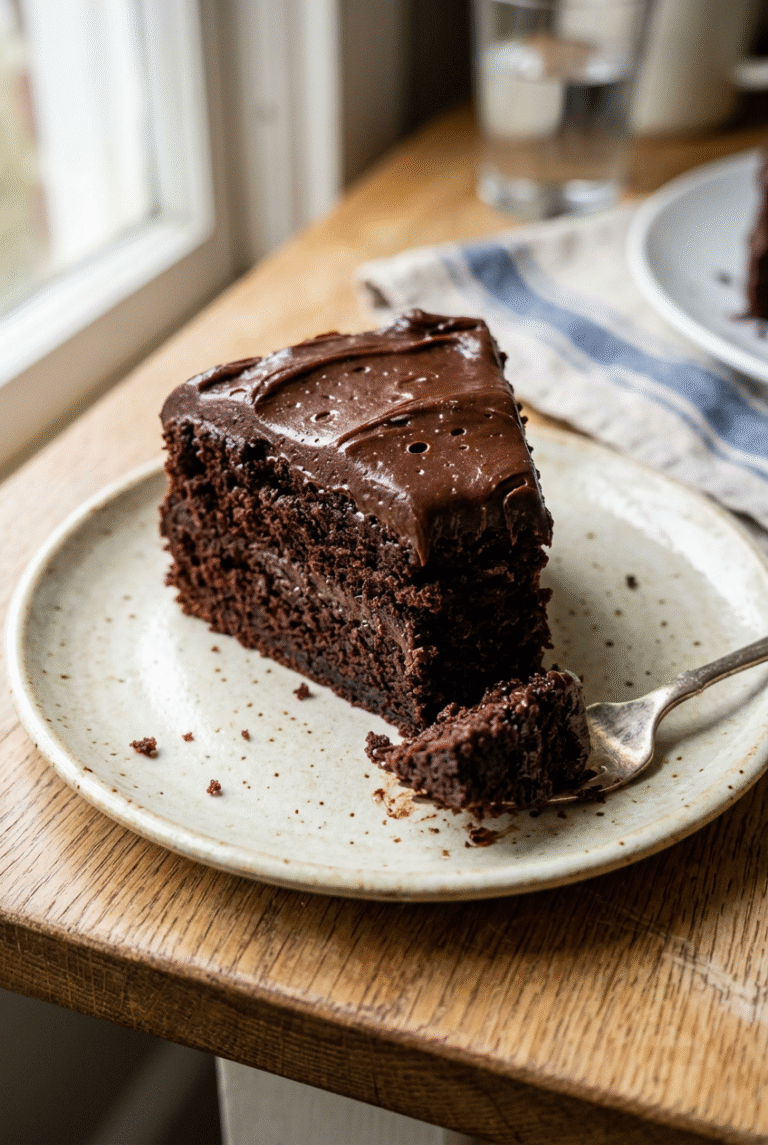
🍫 Indulge in the moistest, richest chocolate cake that will satisfy every chocolate craving with its fudgy texture and intense flavor!
🎂 Easy to make with pantry staples, this crowd-pleasing recipe is perfect for birthdays, parties, or any sweet treat occasion.
- Total Time: 45 minutes
- Yield: 24 servings
Ingredients
– 2 cups all-purpose flour
– 2 cups sugar
– 3/4 cup unsweetened cocoa powder
– 2 teaspoons baking powder
– 1 1/2 teaspoons baking soda
– 1 teaspoon salt
– 1 teaspoon espresso powder
– 1 cup milk or buttermilk, almond milk, oat milk, or coconut milk
– 1/2 cup vegetable oil, canola oil, or melted coconut oil
– 2 large eggs
– 2 teaspoons vanilla extract
– 1 cup boiling water
Instructions
1-First Step: Oven and Pan PreparationStart by preheating your oven to 350º F (175º C). Proper temperature is crucial for the chemical reactions that make your cake rise and set correctly. While the oven heats, prepare your baking pans. This recipe works best with two 9-inch round cake pans that are 2 inches deep. Generously grease each pan with butter, oil, or cooking spray, then lightly dust with flour, shaking out any excess. Alternatively, you can use a pan release product or line the bottoms with parchment paper rounds for guaranteed easy removal later. Taking this step thoroughly prevents the cake from sticking and ensures your beautiful layers come out intact.
2-Second Step: Measuring and Combining Dry IngredientsIn a large mixing bowl or the bowl of your stand mixer, combine all your dry ingredients. Add the 2 cups of all-purpose flour, 2 cups of sugar, 3/4 cup of unsweetened cocoa powder, 2 teaspoons of baking powder, 1 1/2 teaspoons of baking soda, 1 teaspoon of salt, and 1 teaspoon of espresso powder. Whisk these ingredients together thoroughly until they are well combined and uniform in color. This step distributes the leavening agents evenly throughout the flour, ensuring your cake rises consistently. There’s no need to sift these ingredients as long as you whisk well to break up any small lumps in the cocoa powder. For the most accurate results, use the spoon-and-level method for measuring your flour spooning it into your measuring cup and leveling off the excess with a straight edge rather than scooping directly, which can compact the flour and throw off the ratio.
3-Third Step: Adding Wet IngredientsWith your dry ingredients ready, it’s time to add the wet components. Pour in 1 cup of milk (dairy or your preferred plant-based alternative), 1/2 cup of vegetable oil (or canola or melted coconut oil), 2 large eggs (at room temperature if possible, as they incorporate better), and 2 teaspoons of vanilla extract. Using a stand mixer or hand mixer on medium speed, blend these ingredients into the dry mixture. Mix just until incorporated there’s no need to worry about overmixing at this stage since we’ll be adding more liquid shortly. The mixture will appear somewhat thick and may have a few small lumps, which is perfectly normal. If you’re using a stand mixer, the paddle attachment works best for this step. For those who enjoy mixing by hand, ensure you’re thorough in combining the wet and dry ingredients to prevent flour pockets in the final cake.
4-Fourth Step: The Boiling Water MagicThis next step might seem unusual, but trust me it’s the secret to an incredibly moist chocolate cake. Reduce your mixer speed to low and carefully pour in 1 cup of boiling water. Take caution during this step to avoid splashing hot water. The batter will immediately become very thin, which might seem alarming if you’re used to thicker cake batters, but this is exactly what you want. Continue mixing until the batter is smooth and uniform in consistency. The boiling water “blooms” the cocoa powder, releasing its full flavor potential and creating chemical reactions with the baking soda that help the cake rise. This technique is used in many simple chocolate cake recipes for guaranteed moistness. The hot liquid also gelatinizes some of the starch in the flour, which contributes to the tender texture of the finished cake.
5-Fifth Step: Baking Your Cake LayersOnce your batter is smooth, divide it evenly between your two prepared cake pans. You can use a kitchen scale for precision or simply eyeball it by pouring slowly back and forth between the pans. Place both pans in the center of your preheated oven, leaving a little space between them for air circulation. Bake for 30 to 35 minutes. The cake is done when the edges have started to pull slightly away from the sides of the pan, and a toothpick inserted into the center comes out clean or with just a few moist crumbs clinging to it. Avoid opening the oven door too early, as this can cause the cake to fall. If your oven has hot spots, rotate the pans halfway through the baking time for even results. The tops should spring back lightly when touched with your finger when they’re fully baked.
6-Sixth Step: Cooling the CakesProper cooling is essential for a successful cake. Remove the pans from the oven and set them on a wire rack. Let the cakes cool in the pans for exactly 10 minutes no longer, or they may begin to steam and become soggy. After this brief cooling period, run a thin knife around the edges of each pan to loosen the cakes. Place a wire rack on top of each pan and carefully invert to release the cake. Gently tap the bottom of the pan if needed to help the cake release. Peel off the parchment paper if you used it, then let the cakes cool completely on the wire racks. This usually takes about 1 to 2 hours depending on your kitchen temperature. The cakes must be completely cool before frosting, or the frosting will melt and slide off. You can speed up this process by placing the wire racks in the refrigerator for 20-30 minutes, but avoid freezing them at this stage.
7-Final Step: Frosting and ServingOnce your cakes are completely cool, you’re ready to assemble and frost them. Place one cake layer on your serving plate or cake stand. Spread your desired frosting over the top chocolate buttercream is the classic choice, but cream cheese frosting, whipped ganache, or even a simple dusting of powdered sugar all work beautifully. Place the second cake layer on top, then frost the top and sides of the entire cake. For the smoothest finish, apply a thin “crumb coat” of frosting first, chill briefly, then apply the final layer of frosting. Decorate as desired with chocolate shavings, sprinkles, fresh berries, or simply leave it elegantly plain. Serve at room temperature for the best flavor and texture. This cake actually improves slightly after sitting for a day, allowing the flavors to meld, so it’s perfect for making ahead of time for special occasions.
Last Step:
Please leave a rating and comment letting us know how you liked this recipe! This helps our business to thrive and continue providing free, high-quality recipes for you.Notes
💧 Embrace the thin batter after adding boiling water – it’s the secret to an ultra-moist cake!
☕ Espresso powder boosts chocolate flavor without tasting like coffee; omit if you don’t have it.
🧁 Go gluten-free by using a 1:1 gluten-free flour substitute for the all-purpose flour.
- Prep Time: 15 minutes
- Cook Time: 30 minutes
- Category: Dessert
- Method: Baking
- Cuisine: American
- Diet: Vegetarian
Nutrition
- Serving Size: 1 slice
- Calories: 124
- Fat: 1g
- Carbohydrates: 27g
- Fiber: 1g
- Protein: 3g