

Why You’ll Love This How To Peel Eggs
If you’re tired of struggling with stubborn shells on hard-boiled eggs, this guide is a game-changer for anyone who loves adding eggs to their meals. Not only does it make peeling simple and quick, but it also ensures your eggs come out perfectly every time. Let me walk you through the key benefits that make this method a must-try for home cooks and busy folks alike.
Ease of Preparation
This how to peel eggs technique is straightforward and fast, taking just 20-25 minutes from start to finish. You’ll appreciate how little effort it takes, especially if you’re juggling a packed schedule as a parent or student. With steps like steaming or boiling that anyone can master, it’s perfect for beginners looking to boost their kitchen confidence without wasting time on tricky tasks.
Health Benefits
Cooked eggs deliver high-quality protein and essential nutrients, with each large egg packing about 70-80 calories along with fats, proteins, vitamins, and minerals. This method helps preserve those nutrients, making it a smart choice for diet-conscious individuals seeking quick, wholesome snacks. Plus, using older eggs as suggested keeps things simple while supporting your health goals without added fuss.
Versatility
This approach works for various needs, whether you’re adapting for dietary preferences like low-calorie options or just experimenting in your kitchen. You can easily tweak it for fresh or older eggs, making it flexible for food enthusiasts and travelers who need reliable recipes on the go. It’s a technique that fits into everyday routines, from meal prep for working professionals to fun tweaks for party hosts.
Distinctive Flavor
What stands out is how this how to peel eggs method keeps the egg white smooth and intact, enhancing the natural taste without any harsh chemicals or extras. The steaming option preserves moisture, leading to eggs that are tender and full of flavor. This makes them ideal for salads, snacks, or even creative dishes, turning a basic ingredient into something truly enjoyable for your daily routine. (258 words)
Jump to:
- Why You’ll Love This How To Peel Eggs
- Ease of Preparation
- Health Benefits
- Versatility
- Distinctive Flavor
- Essential Ingredients for How To Peel Eggs
- How to Prepare the Perfect How To Peel Eggs: Step-by-Step Guide
- First Step: Choose Your Eggs
- Second Step: Prepare for Steaming
- Third Step: Cool the Eggs
- Fourth Step: Alternative Boiling Method
- Fifth Step: Crack and Peel
- Final Step: Finishing Touches
- Dietary Substitutions to Customize Your How To Peel Eggs
- Protein and Main Component Alternatives
- Vegetable, Sauce, and Seasoning Modifications
- Mastering How To Peel Eggs: Advanced Tips and Variations
- Pro Cooking Techniques
- Flavor Variations
- Presentation Tips
- Make-Ahead Options
- How to Store How To Peel Eggs: Best Practices
- FAQs: Frequently Asked Questions About How To Peel Eggs
- How do I peel hard boiled eggs easily?
- Why are fresh eggs harder to peel than older ones?
- Does steaming eggs make them easier to peel than boiling?
- How does an ice bath help with peeling hard boiled eggs?
- What’s the spoon trick for peeling hard boiled eggs?
- How To Peel Eggs
- Ingredients
- Instructions
- Last Step:
- Notes
- Nutrition
- Did you make this recipe?
Essential Ingredients for How To Peel Eggs
- Eggs (quantity not specified; older eggs are easier to peel, but fresh eggs can be managed) – These form the base and provide high-quality protein and nutrients for a nutritious snack or meal.
- Water (half inch in pot for steaming method) – Used for boiling or steaming, this helps cook the eggs evenly and makes peeling simpler by creating the right environment inside the shell.
- Optional: baking soda (small amount) – Adds to the boiling water to raise the pH, which loosens the shell for easier removal without altering the egg’s taste much.
- Optional: salt (quantity not specified) – Can be added to the water to season the eggs slightly and potentially aid in peeling, though it’s not essential for the process.
These ingredients keep things simple and effective, focusing on what you need for a successful how to peel eggs routine. Each one plays a role in making the process smoother, so grab what you have on hand and get started.
For special dietary options:
- Vegan: While eggs themselves aren’t vegan, you could swap for plant-based alternatives like tofu for a similar protein boost in other recipes on this site.
- Gluten-free: This method is naturally gluten-free, as it only involves eggs and water, making it safe for those with gluten sensitivities.
- Low-calorie: Stick to plain eggs without add-ins to keep calories low at around 70-80 per large egg, perfect for a light and healthy option.
This setup ensures your how to peel eggs experience is adaptable and straightforward. (214 words)
How to Prepare the Perfect How To Peel Eggs: Step-by-Step Guide
Learning how to peel eggs doesn’t have to be a hassle, and this step-by-step guide makes it fun and easy. We’ll cover the basics from start to finish, including tips for both steaming and boiling methods. Follow along for smooth results that work whether you’re dealing with older eggs or fresh ones from your kitchen.
First Step: Choose Your Eggs
Start by picking eggs that are close to their expiration date but still good to use, as older eggs peel more easily due to their higher pH. This simple choice sets you up for success and takes just a moment to check. If you only have fresh eggs, don’t worry we’ll adapt the method to handle that too.
Second Step: Prepare for Steaming
For the steaming method, place half an inch of water in a pot and add a steamer basket with your eggs inside. Cover the pot, bring it to a boil, then reduce the heat and steam for 15 minutes. This gentle approach cooks the eggs evenly and is especially helpful for fresh eggs, keeping the shell from sticking too much. (For more ideas, check out our best egg recipes on the site.)
Third Step: Cool the Eggs
Once cooking is done, transfer the eggs to an ice bath or cold water for 1-2 minutes to cool them down quickly. This step helps the egg white shrink away from the shell, making peeling a breeze later. Be sure to handle them carefully to avoid cracks before you’re ready.
Fourth Step: Alternative Boiling Method
If you prefer boiling, place the eggs in cold water in a pot, bring it to a rolling boil, then remove from heat and let them sit for 15 minutes. After that, cool them in an ice bath just like with steaming. This method works well for most eggs and gives you flexibility based on what you have at home. Remember, a longer cooking time can help with peeling if needed.
Fifth Step: Crack and Peel
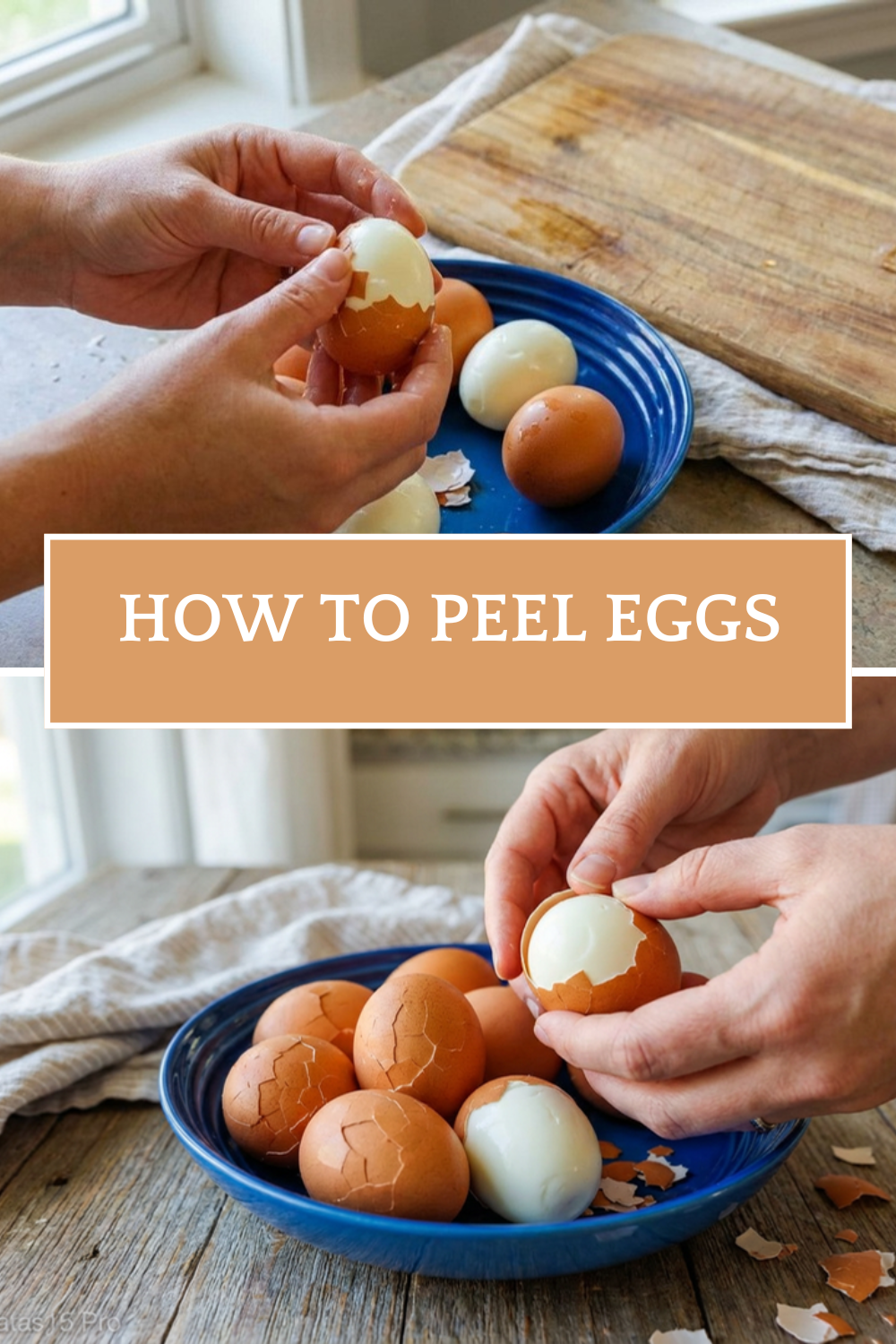
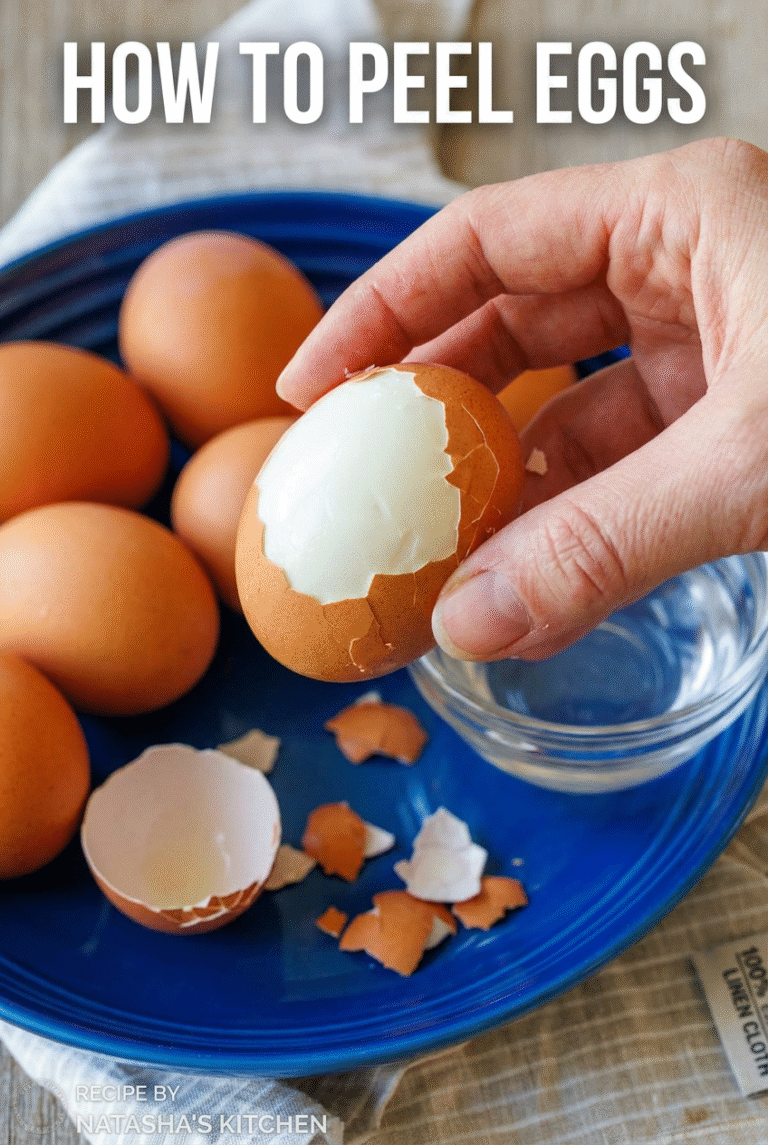
Now it’s time to crack the eggs by tapping or rolling them on a hard surface, starting at the rounded end where the air bubble is. Peel under running water to separate the membrane from the white, and use a spoon to gently scrape off any stubborn shell if necessary. This works best after steaming for fresh eggs, leaving you with smooth, intact eggs every time. For added insight, you might want to read this external guide on easy peeling tricks.
Final Step: Finishing Touches
Once peeled, your eggs are ready to use in salads, snacks, or meals. The whole process takes about 15 minutes of cooking plus 1-2 minutes for cooling, totaling 20-25 minutes. Adapt this for dietary needs by choosing organic eggs if you’re watching your intake, and enjoy the results of your how to peel eggs adventure. (652 words)

Dietary Substitutions to Customize Your How To Peel Eggs
Protein and Main Component Alternatives
If eggs aren’t your thing, swap them for boiled tofu chunks as a protein-packed alternative that mimics the texture. This works great for vegans or those with egg allergies, and it’s just as easy to peel after cooking. Keep the same steaming or boiling steps for a seamless switch.
Vegetable, Sauce, and Seasoning Modifications
For a fresher twist, add herbs like dill to your water for a hint of flavor, or use low-sodium salt if you’re cutting back on intake. If sauces are involved in your recipe, opt for light vinaigrettes to keep things diet-friendly. These changes make how to peel eggs adaptable for seasons or preferences, like using seasonal veggies in your dishes. (184 words)
Mastering How To Peel Eggs: Advanced Tips and Variations
Pro Cooking Techniques
To get pro results, try adding a small amount of baking soda to your boiling water for easier peeling. This trick lifts the shell right off, especially for tricky fresh eggs, and it’s a simple way to up your game.
Flavor Variations
Experiment with seasonings like garlic powder before cooking to add a kick, or mix in fresh herbs after peeling for a custom taste.
Presentation Tips
Slice your peeled eggs neatly for salads, or arrange them on a platter with veggies for a appealing look.
Make-Ahead Options
Boil a batch and store them in the fridge for quick snacks, as older eggs peel even easier after a few days. (156 words)
How to Store How To Peel Eggs: Best Practices
Proper storage keeps your peeled eggs fresh and ready to eat. For short-term needs, refrigerate them in a sealed container for up to a week.
For longer storage, freezing works well just store in an airtight bag for up to three months. When reheating, use warm water to keep the texture intact without overcooking. Consider batch cooking for meal prep to save time during busy weeks. (128 words)
FAQs: Frequently Asked Questions About How To Peel Eggs
How do I peel hard boiled eggs easily?
Peeling hard boiled eggs is simpler with a few key steps. Start with eggs that are 7-10 days old, as they release from the shell better. Boil them for 10-12 minutes, then transfer immediately to an ice bath for 5-10 minutes to contract the egg white away from the membrane. Gently tap the fat end on a counter to crack it, roll the egg to shatter the shell, and peel under cool running water. This loosens the membrane and prevents sticking. For best results, peel from the larger end where the air pocket is. Stored boiled eggs peel even easier after a few days in the fridge. Follow these steps for smooth, intact eggs every time. (92 words)
Why are fresh eggs harder to peel than older ones?
Fresh eggs are tough to peel because their pH is lower, making the egg white soft and sticky to the inner membrane. As eggs age over 7 days, the pH rises, causing the white to pull away from the membrane more easily during cooking. Backyard or farm-fresh eggs laid the day before are especially challenging due to this softness. To counter this, use older store-bought eggs or let fresh ones sit in the fridge for a week. Steaming instead of boiling also helps fresh eggs release better by keeping moisture under the shell. This natural aging process is why week-old eggs peel cleanly with minimal effort. (98 words)
Does steaming eggs make them easier to peel than boiling?
Yes, steaming hard boiled eggs often makes peeling much easier, even for fresh eggs. Place eggs in a steamer basket over boiling water for 12-15 minutes, then plunge into an ice bath. The steam cooks the eggs evenly without waterlogging, preserving moisture between the shell and membrane for better separation. This method avoids the sticking issues common with boiling. After cooling, crack the wide end, roll gently, and peel under running water. Users report fewer pockmarks on the white compared to traditional boiling. Try steaming for consistently smooth peels, especially if you lack older eggs. (92 words)
How does an ice bath help with peeling hard boiled eggs?
An ice bath after boiling or steaming is crucial for easy peeling. Cook eggs for 10-12 minutes, then submerge in ice water for 5-15 minutes. The sudden cold shocks the egg, shrinking the white away from the shell and membrane, trapping moisture underneath for smooth release. Skip this, and the membrane dries and sticks. Once cooled, crack the fat end’s air pocket, roll to fracture the shell, and peel under cool water to slip off bits effortlessly. This step also stops cooking for perfect yolks. It’s a game-changer for batch cooking—store extras in the fridge for even easier peeling days later. (102 words)
What’s the spoon trick for peeling hard boiled eggs?
The spoon method works well for stubborn shells with minimal damage. After an ice bath, crack the egg all over by rolling it gently. Slide a teaspoon between the membrane and white at the fat end, then scoop and scrape around the egg, keeping the spoon against the shell to lift it away in pieces. Use cool water to aid separation. This technique shines for fresh or backyard eggs where direct peeling tears the white. Practice on one egg first—aim for light pressure to avoid gouges. Combine with older eggs or steaming for flawless results every time. (94 words)
How To Peel Eggs
🥚 Master the art of peeling hard-boiled eggs effortlessly with this reliable method, saving time in the kitchen and ensuring perfect results for salads, snacks, or deviled eggs.
🍳 This simple technique works every time, especially with fresh eggs, providing a frustration-free way to enjoy nutritious, protein-packed eggs without shell remnants.
- Total Time: 35 minutes
- Yield: 6 eggs
Ingredients
– Eggs
– half inch in pot water for steaming method
– small amount baking soda
– salt
Instructions
1-First Step: Choose Your Eggs Start by picking eggs that are close to their expiration date but still good to use, as older eggs peel more easily due to their higher pH. This simple choice sets you up for success and takes just a moment to check. If you only have fresh eggs, don’t worry we’ll adapt the method to handle that too.
2-Second Step: Prepare for Steaming For the steaming method, place half an inch of water in a pot and add a steamer basket with your eggs inside. Cover the pot, bring it to a boil, then reduce the heat and steam for 15 minutes. This gentle approach cooks the eggs evenly and is especially helpful for fresh eggs, keeping the shell from sticking too much. (For more ideas, check out our best egg recipes on the site.)
3-Third Step: Cool the Eggs Once cooking is done, transfer the eggs to an ice bath or cold water for 1-2 minutes to cool them down quickly. This step helps the egg white shrink away from the shell, making peeling a breeze later. Be sure to handle them carefully to avoid cracks before you’re ready.
4-Fourth Step: Alternative Boiling Method If you prefer boiling, place the eggs in cold water in a pot, bring it to a rolling boil, then remove from heat and let them sit for 15 minutes. After that, cool them in an ice bath just like with steaming. This method works well for most eggs and gives you flexibility based on what you have at home. Remember, a longer cooking time can help with peeling if needed.
5-Fifth Step: Crack and Peel Now it’s time to crack the eggs by tapping or rolling them on a hard surface, starting at the rounded end where the air bubble is. Peel under running water to separate the membrane from the white, and use a spoon to gently scrape off any stubborn shell if necessary. This works best after steaming for fresh eggs, leaving you with smooth, intact eggs every time. For added insight, you might want to read this external guide on easy peeling tricks.
6-Final Step: Finishing Touches Once peeled, your eggs are ready to use in salads, snacks, or meals. The whole process takes about 15 minutes of cooking plus 1-2 minutes for cooling, totaling 20-25 minutes. Adapt this for dietary needs by choosing organic eggs if you’re watching your intake, and enjoy the results of your how to peel eggs adventure. (652 words)
Last Step:
Please leave a rating and comment letting us know how you liked this recipe! This helps our business to thrive and continue providing free, high-quality recipes for you.Notes
🕒 Use older eggs for the easiest peeling, as the air pocket expands over time and pH changes make the shell separate better.
💧 Always peel under running cold water to help the shell and membrane slide off smoothly without damaging the egg.
🌡️ Add a teaspoon of baking soda to the boiling water to raise the pH and facilitate easier peeling, especially for fresh eggs.
- Prep Time: 10 minutes
- Cooling Time: 10 minutes
- Cook Time: 15 minutes
- Category: Snack
- Method: Boil
- Cuisine: Universal
- Diet: Low Carb
Nutrition
- Serving Size: 1 egg
- Calories: 78 kcal
- Sugar: 1 g
- Sodium: 62 mg
- Fat: 5 g
- Saturated Fat: 1.6 g
- Unsaturated Fat: 3.4 g
- Trans Fat: 0 g
- Carbohydrates: 1 g
- Fiber: 0 g
- Protein: 6 g
- Cholesterol: 186 mg