
Why You’ll Love This Roasted Kabocha Squash
This roasted kabocha squash recipe is a game-changer for anyone craving something simple yet packed with flavor. It’s incredibly easy to prepare, taking just about 10 minutes of prep and 40 minutes to cook, making it ideal for busy parents or students looking for a quick meal. Plus, it’s naturally versatile, serving 4 to 6 people and fitting seamlessly into various diets like vegan and gluten-free options.
The health benefits are outstanding, with kabocha squash loaded with vitamins, fiber, and antioxidants that support digestion and overall wellness. Its natural sweetness and nutty taste shine through when roasted, creating a dish that’s both nutritious and delicious for food enthusiasts and diet-conscious folks. Whether you’re a working professional seeking a healthy side or a baking enthusiast experimenting with sides, this recipe will quickly become a favorite.
One of the best parts is how adaptable it is to different occasions, from family dinners to casual gatherings. The edible skin means no peeling is needed, saving time and adding extra nutrients. If you roast the seeds separately, you get a crispy bonus that elevates the meal even more.
Jump to:
- Why You’ll Love This Roasted Kabocha Squash
- Essential Ingredients for Roasted Kabocha Squash
- How to Prepare the Perfect Roasted Kabocha Squash: Step-by-Step Guide
- Dietary Substitutions to Customize Your Roasted Kabocha Squash
- Mastering Roasted Kabocha Squash: Advanced Tips and Variations
- How to Store Roasted Kabocha Squash: Best Practices
- FAQs: Frequently Asked Questions About Roasted Kabocha Squash
- How do I roast kabocha squash in the oven?
- What are the health benefits of eating roasted kabocha squash?
- Can I roast kabocha squash without peeling it first?
- How long does roasted kabocha squash last in the fridge?
- What spices and seasonings go well with roasted kabocha squash?
- Roasted Kabocha Squash
- Ingredients
- Instructions
- Last Step:
- Notes
- Nutrition
- Did you make this recipe?
Essential Ingredients for Roasted Kabocha Squash
- 1 whole kabocha squash – Provides the main base with its sweet, nutrient-rich flesh.
- 2 tablespoons olive oil – Helps achieve a golden, caramelized exterior.
- Sea salt to taste – Enhances the natural flavors and balances the sweetness.
- Freshly ground black pepper to taste – Adds a touch of heat and depth.
- 1/4 cup chopped scallions – Used for a fresh, crunchy garnish.
- Sesame seeds to taste – Offers a nutty topping for extra texture.
- Microgreens to taste – Provides a vibrant, healthy finish.
- Sesame ginger dressing for drizzling – Adds a flavorful sauce to tie everything together.
This list covers everything you need for a complete, flavorful dish. It’s straightforward and uses everyday items that home cooks can find easily. For special diets, this recipe is naturally vegan and gluten-free, making it perfect for travelers or seniors watching their intake.
How to Prepare the Perfect Roasted Kabocha Squash: Step-by-Step Guide
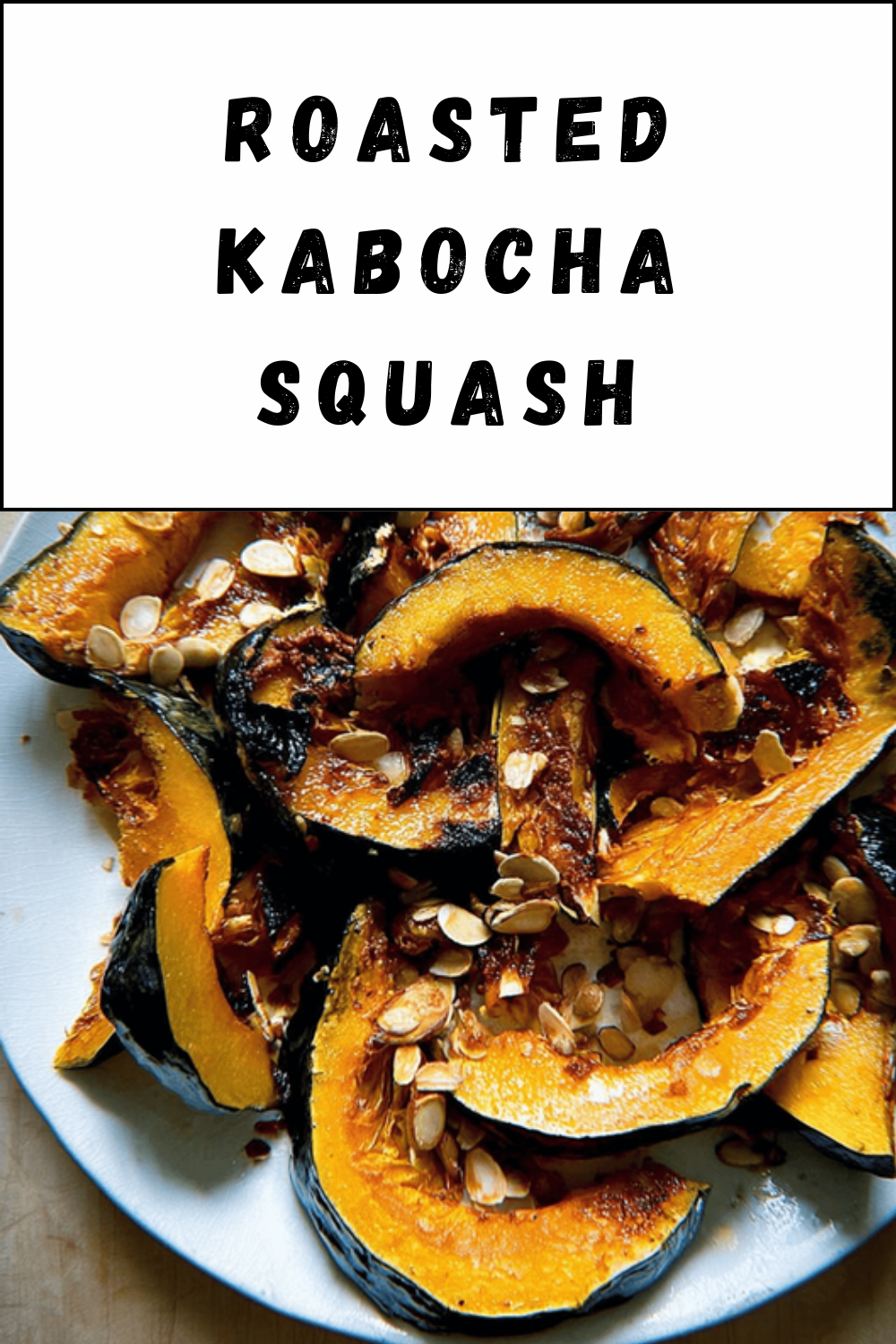
To get started, preheat your oven to 425°F (220°C) and warm the whole kabocha squash for 10 minutes to make it easier to handle. First, line your baking sheets with parchment paper for easy cleanup and even roasting. Carefully slice the squash in half vertically, scoop out the seeds, and then cut it into 1½-inch slices for uniform cooking.
Next, arrange the slices on the prepared baking sheets. Drizzle them with 2 tablespoons of olive oil and sprinkle with sea salt and freshly ground black pepper to bring out the flavors. Roast in the oven for 25 to 30 minutes, flipping the slices halfway through, until they turn golden and tender. For more tips, check out our banana bread coffee cake recipe which shares ideas for simple roasting techniques.
Once done, remove the squash from the oven and let it cool slightly. Serve by arranging the slices on a platter, drizzling with sesame ginger dressing, and garnishing with 1/4 cup chopped scallions, sesame seeds, and microgreens for a fresh twist. If you like, roast the seeds separately by cleaning and drying them, then tossing with a bit of olive oil and sea salt before roasting at 300°F (150°C) for 35 to 45 minutes until crisp. This step adds extra crunch and makes the meal even more enjoyable for party hosts.

Dietary Substitutions to Customize Your Roasted Kabocha Squash
One great way to tweak this recipe is by adding proteins like roasted chickpeas or tofu, which boost the nutrition without much effort. For those who aren’t vegetarian, grilled chicken or turkey can pair nicely with the squash’s sweet notes, making it adaptable for busy families or working professionals. Remember, the base ingredients are already vegan, so it’s simple to keep things plant-based.
| Original Ingredient | Substitution Option | Reason |
|---|---|---|
| Olive oil | Coconut oil or avocado oil | Keeps it vegan and adds different flavors |
| Sea salt and pepper | Herb blends like garlic powder | Enhances taste for low-sodium diets |
| Sesame ginger dressing | Tamari-based sauce | Makes it gluten-free and allergy-friendly |
You can also swap the kabocha for other squashes if needed, but stick to the measurements for the best results. These changes help newlyweds or baking enthusiasts create personalized versions without losing the dish’s charm.
Mastering Roasted Kabocha Squash: Advanced Tips and Variations
Scoring the squash skin lightly before roasting helps it caramelize better while keeping the inside moist, a pro tip for food enthusiasts wanting perfect texture. If your oven has a convection setting, use it for even crispier edges on each slice. Roasting the seeds separately, as mentioned, is a fantastic way to reduce waste and add a homemade touch.
- Try sweet and spicy flavors by mixing in honey and chili flakes for a fun twist.
- For savory options, add smoked paprika and cumin to complement the nutty taste.
- Garnish with fresh herbs or a tahini drizzle to make it visually appealing for parties.
- Prepare ahead by roasting and storing for up to 4 days in the fridge, ideal for meal prep among students or seniors.
Experimenting with these variations can turn a simple side into something special, especially when paired with desserts like our strawberry shortcake crunch cake for a full meal. Remember, the key is balancing flavors to suit your crowd.
How to Store Roasted Kabocha Squash: Best Practices
After roasting, let your kabocha squash cool to room temperature before storing to keep it fresh. Place it in an airtight container and refrigerate for up to 4 days, which works well for leftovers in busy households. Freezing is another option portion it into freezer-safe bags and store for up to 3 months to make quick meals easier.
When reheating, use an oven at 350°F (175°C) for the best texture, or microwave with a damp paper towel to retain moisture. For meal prep, roasting in bulk lets you have ready-to-go sides, perfect for working professionals or travelers. Always label your containers with dates to track freshness and avoid waste.
FAQs: Frequently Asked Questions About Roasted Kabocha Squash
How do I roast kabocha squash in the oven?
To roast kabocha squash, start by preheating your oven to 400°F (200°C). Cut the squash in half and scoop out the seeds. Then, slice it into 1-inch thick wedges or cubes. Toss the pieces with olive oil, salt, and any spices you like, such as cinnamon or paprika. Arrange them on a baking sheet in a single layer. Roast for 25-30 minutes, flipping halfway through, until the squash is tender and caramelized. Roasted kabocha squash is sweet and creamy, perfect as a side dish or salad topping.
What are the health benefits of eating roasted kabocha squash?
Roasted kabocha squash is rich in vitamins A and C, which support immune health and skin repair. It’s also high in fiber, aiding digestion and promoting fullness. This winter squash provides antioxidants that help protect cells from damage. Additionally, it’s low in calories and contains minerals like potassium, which supports heart health. Eating roasted kabocha is a tasty way to add nutrient-dense vegetables to your diet.
Can I roast kabocha squash without peeling it first?
Yes, you can roast kabocha squash with the skin on. The skin softens during roasting and is edible, providing extra texture and nutrients. Just make sure to wash the squash thoroughly before cutting. For a softer skin, slice the squash thinner or roast for a bit longer. If you prefer a smoother texture, you can peel it before roasting, but leaving the skin on saves prep time and adds fiber.
How long does roasted kabocha squash last in the fridge?
Roasted kabocha squash can be stored in an airtight container in the refrigerator for up to 4-5 days. To keep it fresh, allow the squash to cool completely before refrigerating. Reheat it in the oven or microwave for best texture. If you want to preserve it longer, roasted kabocha freezes well for up to 3 months—just place it in a freezer-safe bag or container and thaw before reheating.
What spices and seasonings go well with roasted kabocha squash?
Roasted kabocha squash pairs well with warm spices like cinnamon, nutmeg, and cumin, which highlight its natural sweetness. For savory options, try garlic powder, smoked paprika, chili flakes, or fresh herbs such as rosemary and thyme. A drizzle of maple syrup or a sprinkle of Parmesan cheese after roasting can also add delicious flavor. Experiment with different seasonings to suit your taste and create varied dishes.
Roasted Kabocha Squash
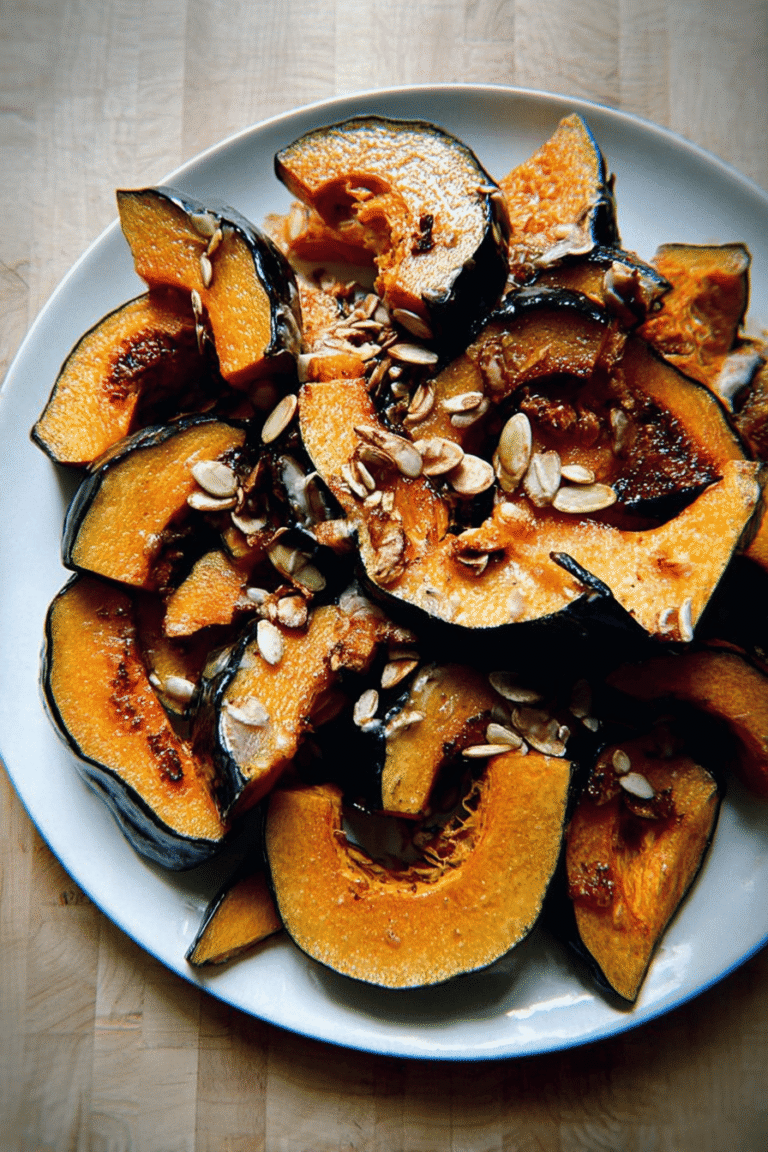
🎃 This Roasted Kabocha Squash recipe offers a simple yet flavorful dish rich in natural sweetness and nutrients.
🥢 The added sesame ginger dressing and fresh garnishes bring a delightful Asian-inspired twist that’s both vibrant and delicious.
- Total Time: 50 minutes
- Yield: 4 to 6 servings
Ingredients
– 1 whole kabocha squash Provides the main base with its sweet, nutrient-rich flesh
– 2 tablespoons olive oil Helps achieve a golden, caramelized exterior
– Sea salt to taste Enhances the natural flavors and balances the sweetness
– Freshly ground black pepper to taste Adds a touch of heat and depth
– 1/4 cup chopped scallions Used for a fresh, crunchy garnish
– Sesame seeds to taste Offers a nutty topping for extra texture
– Microgreens to taste Provides a vibrant, healthy finish
– Sesame ginger dressing for drizzling Adds a flavorful sauce to tie everything together
Instructions
1-To get started, preheat your oven to 425°F (220°C) and warm the whole kabocha squash for 10 minutes to make it easier to handle. First, line your baking sheets with parchment paper for easy cleanup and even roasting. Carefully slice the squash in half vertically, scoop out the seeds, and then cut it into 1½-inch slices for uniform cooking.
2-Next, arrange the slices on the prepared baking sheets. Drizzle them with 2 tablespoons of olive oil and sprinkle with sea salt and freshly ground black pepper to bring out the flavors. Roast in the oven for 25 to 30 minutes, flipping the slices halfway through, until they turn golden and tender. For more tips, check out our banana bread coffee cake recipe which shares ideas for simple roasting techniques.
3-Once done, remove the squash from the oven and let it cool slightly. Serve by arranging the slices on a platter, drizzling with sesame ginger dressing, and garnishing with 1/4 cup chopped scallions, sesame seeds, and microgreens for a fresh twist. If you like, roast the seeds separately by cleaning and drying them, then tossing with a bit of olive oil and sea salt before roasting at 300°F (150°C) for 35 to 45 minutes until crisp. This step adds extra crunch and makes the meal even more enjoyable for party hosts.
Last Step:
Please leave a rating and comment letting us know how you liked this recipe! This helps our business to thrive and continue providing free, high-quality recipes for you.Notes
🔥 The skin of kabocha squash is edible and adds extra nutrients, so no need to peel.
🌱 Roasting the seeds separately creates a tasty, crunchy snack or garnish.
🥢 Use fresh sesame ginger dressing or make your own for best flavor.
- Prep Time: 10 minutes
- Cooking time: 40 minutes
- Cook Time: 40 minutes
- Category: Side Dish
- Method: Roasting
- Cuisine: Asian-inspired
- Diet: Gluten-Free, Vegetarian
Nutrition
- Serving Size: 1 serving
- Calories: 150 calories
- Sugar: 5 grams
- Sodium: 180 milligrams
- Fat: 7 grams
- Saturated Fat: 1 gram
- Unsaturated Fat: 5 grams
- Trans Fat: 0 grams
- Carbohydrates: 22 grams
- Fiber: 4 grams
- Protein: 2 grams
- Cholesterol: 0 milligrams