
Why You’ll Love This Slow Cook Beef And Vegetable Korma
This recipe stands out as a go-to option for anyone seeking a hearty, flavorful meal that fits into a busy lifestyle. The slow cooking method makes it simple to achieve tender beef and infused vegetables with minimal effort, ideal for home cooks who want big results without spending all day in the kitchen. Enjoy the rich, spiced profile that brings warmth and satisfaction to every bite.
One key benefit is how nutrient-packed it is, featuring fresh vegetables like potatoes, carrots, and cauliflower alongside lean beef for a balanced dish full of vitamins and proteins. Such meals support daily wellness by promoting better digestion through natural spices and providing essential nutrients in every serving. It’s a versatile choice that adapts to various needs, from family dinners to meal prep for the week.
Discover the ease and health aspects that make this slow cook beef and vegetable korma a favorite. With options for dietary tweaks, it’s perfect for busy parents or students looking for nourishing meals. This recipe highlights the primary keyword, slow cook beef and vegetable korma, as a simple yet rewarding dish.Explore dessert pairings like these lava cakes for a complete meal.
Key Features of the Recipe
- Easy prep that frees up your time for other tasks.
- Rich in nutrients from fresh veggies and protein-rich beef.
- Flexible for different diets, ensuring everyone can enjoy it.
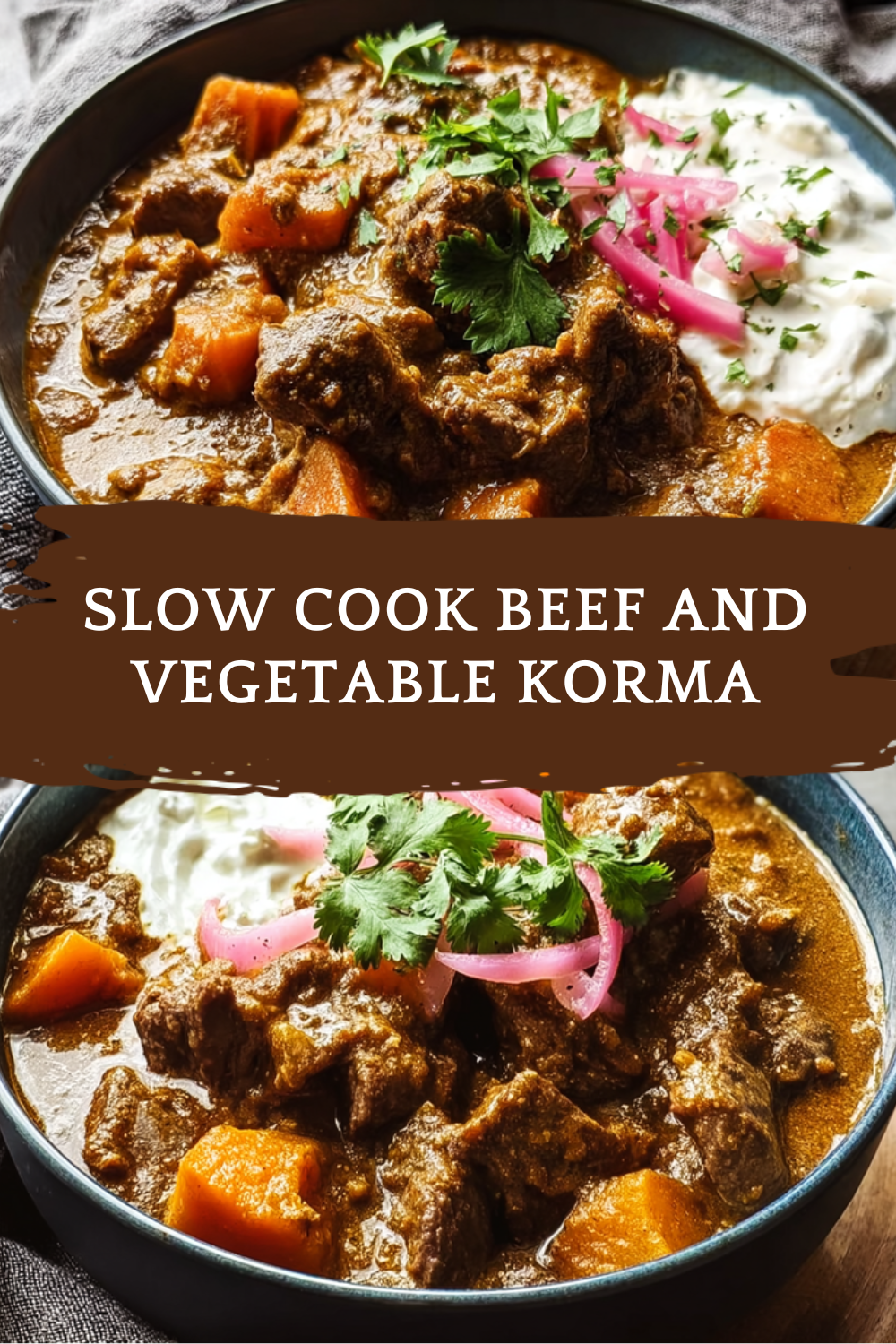
For added appeal, the dish develops deep flavors over time, making it tastier than quick meals. According to the nutritional info, each serving provides 2180 kilojoules of energy, 32.7 grams of protein, and 7.8 grams of dietary fiber, supporting a healthy lifestyle. Try serving it with natural yogurt and chopped coriander for an extra flavor boost.
Jump to:
- Why You’ll Love This Slow Cook Beef And Vegetable Korma
- Key Features of the Recipe
- Essential Ingredients for Slow Cook Beef And Vegetable Korma
- How to Prepare the Perfect Slow Cook Beef And Vegetable Korma: Step-by-Step Guide
- Tips for Best Results
- Dietary Substitutions to Customize Your Slow Cook Beef And Vegetable Korma
- Mastering Slow Cook Beef And Vegetable Korma: Advanced Tips and Variations
- More Ideas for Variations
- How to Store Slow Cook Beef And Vegetable Korma: Best Practices
- Storage Tips
- FAQs: Frequently Asked Questions About Slow Cook Beef And Vegetable Korma
- What ingredients do I need to make slow cook beef and vegetable korma?
- How long should I slow cook beef and vegetable korma for the best texture?
- Can I make slow cook beef and vegetable korma healthier?
- Is slow cook beef and vegetable korma suitable for meal prepping?
- What are common mistakes to avoid when making slow cook beef and vegetable korma?
- Slow Cook Beef And Vegetable Korma
- Ingredients
- Instructions
- Last Step:
- Notes
- Nutrition
- Did you make this recipe?
Essential Ingredients for Slow Cook Beef And Vegetable Korma
Gathering the right ingredients is the first step to creating this delicious slow cook beef and vegetable korma. Below is a comprehensive list based on the exact recipe, ensuring you have everything needed for 10 servings. This structured format makes it easy to follow, with precise measurements for each item.
- 1 tablespoon extra virgin olive oil
- 1 kilogram gravy beef or chuck steak, cut into 2.5 cm cubes with fat trimmed
- 1 large brown onion, chopped
- Half a cup korma curry paste
- 500 grams potatoes, cut into 2 cm cubes
- Half a cauliflower (about 300 grams), cut into small florets
- 2 carrots, peeled and sliced
- 2 cans (each 400 grams) of diced tomatoes
- 1 cup reduced salt vegetable stock
- 1 cup water
- One and a half cups frozen peas
- 7.5 cups cooked brown rice (from 3.75 cups uncooked rice) to serve
Keep in mind that raw gravy beef offers a lower fat option compared to chuck steak when trimmed, which helps control the total fat per serving at just 13.8 grams. For special dietary needs, you can swap items like beef for plant-based proteins to make it vegan-friendly.
How to Prepare the Perfect Slow Cook Beef And Vegetable Korma: Step-by-Step Guide
Start by getting all ingredients ready to ensure smooth cooking. Wash and chop the vegetables as specified, and cube the beef for even results. This slow cook beef and vegetable korma recipe emphasizes browning the meat first for better flavor.
Heat 2 teaspoons of olive oil in a large frying pan and brown half the beef for a few minutes, then transfer it to a plate. Repeat the process with the remaining oil and beef to seal in the juices. Add all other ingredients except the peas to the slow cooker and mix well, then include the browned beef for a rich base.
Cover and cook on high for 30 minutes, followed by low for 7.5 hours, stirring halfway through to blend the flavors. Add the peas 10-20 minutes before serving to keep them fresh and vibrant. Serve each portion with three quarters cup of cooked brown rice, making it a complete meal.
Tips for Best Results
- Browning the beef enhances taste, though you can skip it if short on time.
- For extra flavor, sauté the onion with korma paste before adding to the slow cooker.
- The total cooking time is about 8 hours, including active prep for browning and assembly.
This method ensures the beef becomes tender and the spices fully infuse the dish. Remember, the nutritional breakdown per serving, including rice, is 2180 kilojoules, with 62.2 grams of carbohydrates and 4.6 milligrams of iron for a balanced intake.

Dietary Substitutions to Customize Your Slow Cook Beef And Vegetable Korma
One great aspect of this slow cook beef and vegetable korma is its adaptability to various preferences. If you’re aiming for a leaner version, swap the beef with chicken thighs that cook faster and absorb spices well. For a vegan option, use firm tofu or tempeh, which can take on the korma’s rich flavors without altering the core recipe.
Vegetable swaps are easy too; replace standard veggies with seasonal ones like butternut squash for added sweetness. To make it dairy-free, opt for coconut milk instead of yogurt in the sauce base. Adjusting spices can help control heat, so add less curry paste if you prefer milder tastes.
| Original Ingredient | Substitution | Benefit |
|---|---|---|
| Gravy beef or chuck steak | Chicken thighs or tofu | Reduces fat or makes it vegan |
| Korma curry paste | Reduced amount with chili | Customizes spice level |
| Vegetables like potatoes and carrots | Butternut squash or bell peppers | Adds variety and nutrients |
These changes keep the essence of slow cook beef and vegetable korma intact while meeting dietary goals, such as lowering sodium to under 512 milligrams per serving.
Mastering Slow Cook Beef And Vegetable Korma: Advanced Tips and Variations
To take your slow cook beef and vegetable korma to the next level, try marinating the beef overnight in a mix of yogurt and spices. This step helps the meat become even more tender and allows flavors to penetrate deeply, enhancing the overall dish. For flavor variations, add toasted nuts like cashews for extra crunch and a nutty taste that complements the creamy sauce.
Presentation matters too; serve the korma in bowls with fresh cilantro and a side of rice for visual appeal. If you’re preparing ahead, make the base the night before and store it separately for easy assembly. The total nutritional profile, with 9.6 grams of sugars per serving, stays balanced even with these tweaks.
More Ideas for Variations
- Infuse with cardamom pods for a fragrant twist.
- Pair with whole grain options for added fiber.
- Experiment with herbs like coriander to brighten the flavors.
This recipe’s flexibility makes it perfect for food enthusiasts, as noted in the blog’s focus on creating enjoyable meals with everyday ingredients.
Remember, cooking on low for 7.5 hours after the initial high setting ensures the best texture, as highlighted in the preparation details.
How to Store Slow Cook Beef And Vegetable Korma: Best Practices
Proper storage keeps your slow cook beef and vegetable korma fresh and safe to eat later. Once cooled, place leftovers in an airtight container and refrigerate for up to 3-4 days. This method helps maintain the dish’s flavors and nutritional value, including the 32.7 grams of protein per serving.
For longer keeping, freeze portions in airtight bags for 2-3 months, then thaw overnight in the fridge. When reheating, use low heat on the stove and stir to keep the texture just right. Meal prep lovers will appreciate how this recipe scales up for weekly plans, saving time and effort.
Storage Tips
- Add a splash of broth if the mixture thickens upon reheating.
- Label containers with dates to track freshness.
- Avoid refreezing thawed portions for safety.
By following these steps, you can enjoy the rich, spiced goodness of slow cook beef and vegetable korma throughout the week, aligning with busy professionals’ routines. For added inspiration, check out companion recipes like this coffee cake for easy sides.
FAQs: Frequently Asked Questions About Slow Cook Beef And Vegetable Korma
What ingredients do I need to make slow cook beef and vegetable korma?
To make slow cook beef and vegetable korma, you will need beef cuts suitable for slow cooking, such as chuck or brisket, a mix of vegetables like carrots, potatoes, peas, and bell peppers, and typical korma spices including cumin, coriander, turmeric, garam masala, and cardamom. Adding yogurt, cream, or coconut milk helps create the rich sauce. Fresh garlic, ginger, onions, and tomatoes form the base, while cashews or ground almonds add a creamy texture. Using fresh or dried spices ensures a flavorful dish that’s tender and aromatic after slow cooking.
How long should I slow cook beef and vegetable korma for the best texture?
Slow cook beef and vegetable korma for about 6 to 8 hours on low heat or 3 to 4 hours on high heat. This timing allows the beef to become tender and absorb the spices, while vegetables soften without turning mushy. If your slow cooker has a timer, you can set it to low for 7 hours for optimal texture. Checking the beef for tenderness near the end of cooking helps avoid overcooking. Slow cooking makes the flavors meld beautifully and creates a rich, comforting dish.
Can I make slow cook beef and vegetable korma healthier?
Yes, you can make this dish healthier by using leaner cuts of beef, reducing the amount of added cream or coconut milk, and increasing the quantity of vegetables. Opt for low-fat yogurt instead of cream and avoid excess oil. Including a variety of colorful vegetables boosts the fiber and nutrient content. Serving with whole grain options, like brown rice or whole wheat naan, also improves the nutritional profile while keeping it satisfying and tasty.
Is slow cook beef and vegetable korma suitable for meal prepping?
Slow cook beef and vegetable korma is an excellent choice for meal prepping because it reheats well and often tastes better the next day as the flavors deepen. Prepare it in a large batch, portion into airtight containers, and refrigerate for up to 4 days or freeze for longer storage. When reheating, warm it thoroughly on the stove or microwave. Pair with freshly cooked rice or bread for convenient, ready-to-eat meals throughout the week.
What are common mistakes to avoid when making slow cook beef and vegetable korma?
Avoid adding dairy products like cream or yogurt at the beginning of slow cooking, as they can curdle; instead, stir them in during the last 30 minutes. Another mistake is using lean cuts that dry out quickly; choose cuts suitable for slow cooking to get tender results. Overloading the slow cooker with too many vegetables can make the dish watery, so balance the quantity. Lastly, don’t rush the cooking time—slow cooking is key to developing rich flavors and tender meat.
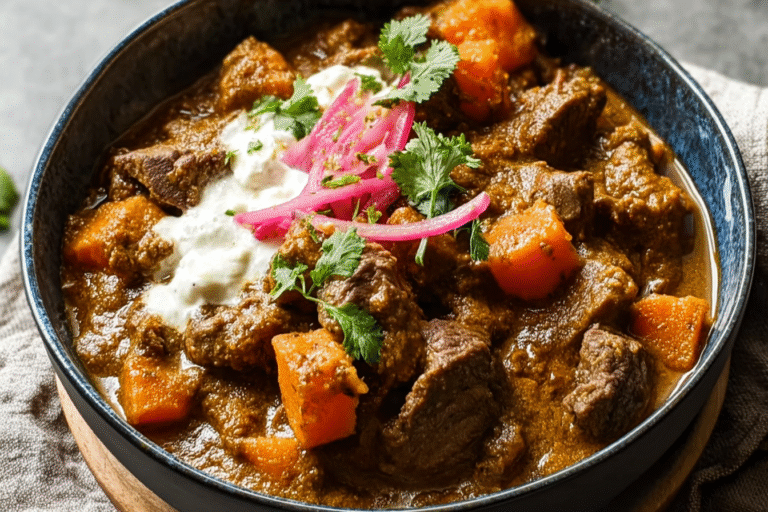
Slow Cook Beef And Vegetable Korma
🥘 This Beef Vegetable Korma recipe offers a hearty, nutritious meal rich in flavor with tender beef and a medley of vegetables cooked in creamy korma sauce.
🍚 Slow-cooked to perfection, it delivers a balanced blend of spices and vegetables served with wholesome brown rice, ideal for family dinners.
- Total Time: 8 hours 40 minutes
- Yield: 10 servings 1x
Ingredients
1 tablespoon extra virgin olive oil
1 kilogram gravy beef or chuck steak, cut into 2.5 cm cubes with fat trimmed
1 large brown onion, chopped
Half a cup korma curry paste
500 grams potatoes, cut into 2 cm cubes
Half a cauliflower, cut into small florets
2 carrots, peeled and sliced
2 cans (each 400 grams) of diced tomatoes
1 cup reduced salt vegetable stock
1 cup water
One and a half cups frozen peas
7.5 cups cooked brown rice to serve
Instructions
1- Start by getting all ingredients ready to ensure smooth cooking. Wash and chop the vegetables as specified, and cube the beef for even results. This slow cook beef and vegetable korma recipe emphasizes browning the meat first for better flavor.
2- Heat 2 teaspoons of olive oil in a large frying pan and brown half the beef for a few minutes, then transfer it to a plate. Repeat the process with the remaining oil and beef to seal in the juices. Add all other ingredients except the peas to the slow cooker and mix well, then include the browned beef for a rich base.
3- Cover and cook on high for 30 minutes, followed by low for 7.5 hours, stirring halfway through to blend the flavors. Add the peas 10-20 minutes before serving to keep them fresh and vibrant. Serve each portion with three quarters cup of cooked brown rice, making it a complete meal.
Last Step:
Please leave a rating and comment letting us know how you liked this recipe! This helps our business to thrive and continue providing free, high-quality recipes for you.Notes
🍳 Sauté the onion with korma paste before adding to the slow cooker for enhanced flavor.
🥄 Serve with natural yogurt and chopped coriander to complement the spices.
⏰ Stir the pot halfway during cooking and add peas towards the end to retain freshness.
- Prep Time: 40 minutes
- Cook Time: 8 hours
- Category: Main Course
- Method: Slow cooking and browning
- Cuisine: Indian-inspired
Nutrition
- Serving Size: 1 serving
- Calories: 522
- Sugar: 9.6 g
- Sodium: 512 mg
- Fat: 13.8 g
- Saturated Fat: 3.9 g
- Trans Fat: 0 g
- Carbohydrates: 62.2 g
- Fiber: 7.8 g
- Protein: 32.7 g
- Cholesterol: 85 mg