
Why You’ll Love This Thai Peanut Sauce
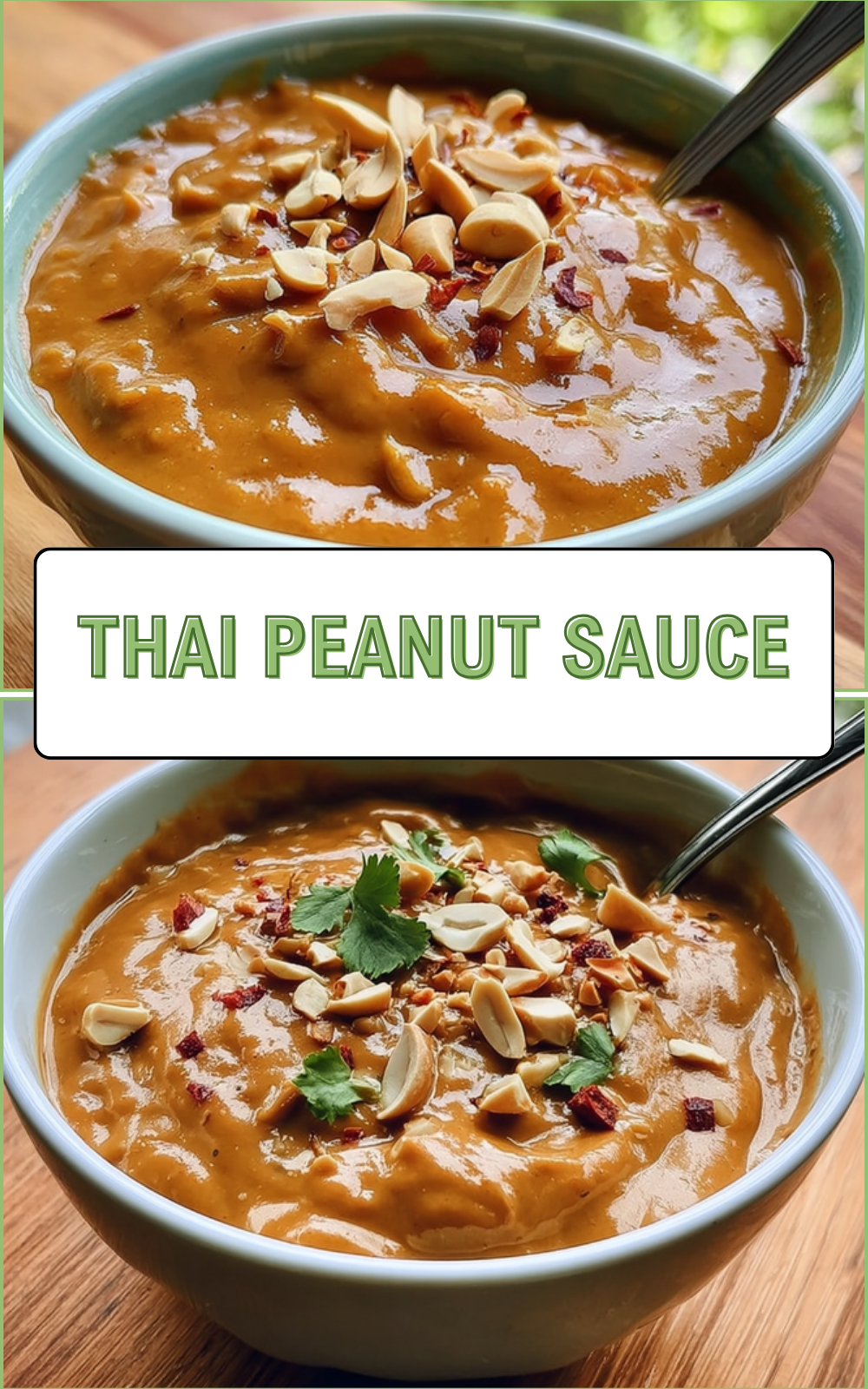
This Thai peanut sauce is such a game-changer for anyone who loves quick meals with bold flavors. It’s creamy and versatile, perfect as a dip, dressing, marinade, or sauce to add a rich umami taste to your dishes. You’ll appreciate how it’s packed with nutritious ingredients like peanuts that offer healthy fats and essential vitamins to support heart health.
One of the best parts is its ease of preparation this recipe comes together in just 5 minutes with no cooking needed, making it ideal for busy days. It’s also super adaptable for different diets, so you can tweak it to be vegan or gluten-free while keeping that amazing taste. Whether you’re drizzling it over noodles or using it as a dip for veggies, this sauce brings a fun and flavorful twist to everyday eating.
To dive deeper into the health perks, check out this helpful guide on Health Benefits of Peanuts. Plus, if you’re exploring more easy recipes, you might enjoy trying my Banana Bread Coffee Cake, which pairs well with simple sauces like this one.
The unique blend of ingredients creates a savory profile that’s hard to resist. It’s made with smooth peanut butter for creaminess and gets its zing from elements like ginger and soy sauce. This sauce fits right into a balanced diet and can brighten up meals for home cooks or even party hosts looking for something special.
Imagine whipping this up on a weekday and having it ready in no time it’s that simple and delicious. If you’re new to sauces like this, it’s a great starting point because it introduces flavors from Thai cooking without overwhelming your kitchen skills.
Health and Versatility Benefits
Let’s talk about why this sauce stands out for health-conscious folks. Peanuts provide healthy fats that are good for your heart, and you can adjust the recipe to fit dietary needs easily. For instance, use maple syrup to keep it vegan and low-calorie options are just a tweak away.
This makes it a hit for busy parents or students who need quick, nutritious additions to their meals. Food enthusiasts will love experimenting with its bold taste, while travelers can pack it for on-the-go snacks. It’s all about making healthy eating enjoyable and accessible.
Jump to:
- Why You’ll Love This Thai Peanut Sauce
- Health and Versatility Benefits
- Essential Ingredients for Thai Peanut Sauce
- Special Dietary Options
- How to Prepare the Perfect Thai Peanut Sauce: Step-by-Step Guide
- Tips for Perfect Consistency
- Dietary Substitutions to Customize Your Thai Peanut Sauce
- Mastering Thai Peanut Sauce: Advanced Tips and Variations
- How to Store Thai Peanut Sauce: Best Practices
- FAQs: Frequently Asked Questions About Thai Peanut Sauce
- What ingredients are typically used in Thai peanut sauce?
- How can I make Thai peanut sauce at home?
- What are some common dishes or ways to serve Thai peanut sauce?
- Can I make Thai peanut sauce if I have a peanut allergy?
- How should I store Thai peanut sauce and how long does it last?
- Thai Peanut Sauce
- Ingredients
- Instructions
- Last Step:
- Notes
- Nutrition
- Did you make this recipe?
Essential Ingredients for Thai Peanut Sauce
Gathering the right ingredients is the key to making this Thai peanut sauce shine, and it’s easier than you think. Each item plays a specific role in creating that creamy, flavorful mix that elevates your dishes. Let’s break down the essentials so you can get started right away.
- ⅓ cup (85g) smooth peanut butter – for a rich, creamy base
- ¼ teaspoon (0.5g) ground or freshly minced ginger – adds a zesty, aromatic depth
- 1 tablespoon (21g) maple syrup or agave – provides natural sweetness to balance the flavors
- 2 tablespoons (30mL) low sodium soy sauce – brings in that salty umami taste
- 1 teaspoon (5mL) rice wine vinegar – offers a refreshing tang
- ½ teaspoon (1.5g) sesame seeds – for a nutty crunch and extra flavor
- ¼ teaspoon (0.35g) crushed red pepper flakes (optional) – to add a touch of spice if you like it hot
- 2 to ¼ cup (30mL to 60mL) hot water – helps achieve the perfect smooth consistency when whisked in gradually
This list covers everything you need for a basic batch, and it’s straightforward to adjust for special diets. Remember, the ingredients combine easily to form a smooth sauce that’s ready in minutes. For those watching their intake, options like using agave keep it vegan and light.
Special Dietary Options
If you’re adapting for dietary needs, it’s simple to swap things out. For a vegan version, stick with maple syrup, and choose tamari for a gluten-free twist. These changes help maintain the sauce’s rich flavor without any fuss, making it accessible for everyone from seniors to working professionals.
| Ingredient | Measurement | Purpose |
|---|---|---|
| Smooth peanut butter | ⅓ cup (85g) | Creates the creamy texture |
| Ground ginger | ¼ teaspoon (0.5g) | Adds aromatic spice |
| Maple syrup | 1 tablespoon (21g) | Balances sweetness |
This table highlights a few key items to show how they fit into the recipe. It’s all about making the process clear and fun for home cooks.
How to Prepare the Perfect Thai Peanut Sauce: Step-by-Step Guide
Getting this Thai peanut sauce just right is a breeze, and it only takes about 5 minutes. Start by pulling together all your ingredients to ensure everything flows smoothly. This no-cook recipe is perfect for beginners and lets you customize flavors as you go.
- Gather and prepare all ingredients, including measuring out the peanut butter, ginger, maple syrup, soy sauce, rice wine vinegar, sesame seeds, and crushed red pepper flakes if you’re adding spice.
- In a medium bowl, whisk together the smooth peanut butter and low sodium soy sauce until they blend into a smooth mixture.
- Stir in the maple syrup or agave and rice wine vinegar to balance the sweetness and tang, creating that signature umami flavor.
- Add the ground or minced ginger, sesame seeds, and optional crushed red pepper flakes for extra depth and heat.
- Gradually whisk in 2 to ¼ cup (30mL to 60mL) of hot water to reach your desired consistency, making the sauce creamy and pourable.
- Taste the sauce and adjust by adding more sweetener, soy sauce, or spice until it suits your preferences perfectly.
- Serve it right away or store it in the fridge; it’s great with noodles, salads, or as a dip for veggies, and you can adapt it for dietary needs easily.
This method ensures a smooth, flavorful result every time. By whisking everything together, you get that rich texture without any hassle. It’s ideal for busy parents or students who need a quick addition to their meals.
Tips for Perfect Consistency
If your sauce ends up too thick, just add a bit more hot water and whisk again. For more on peanut butter’s role, read about Is Peanut Butter Bad for You to see how it fits into a healthy diet. This step-by-step approach keeps things simple and engaging.

Dietary Substitutions to Customize Your Thai Peanut Sauce
Making this Thai peanut sauce your own is all about smart swaps that keep the flavor intact. Whether you have allergies or specific dietary goals, there are easy ways to adjust it. For example, if nuts are an issue, try almond butter instead of peanut butter for a similar creaminess.
- Replace peanut butter with almond or cashew butter to avoid nut allergies while keeping the sauce rich.
- Use maple syrup instead of honey to make it fully vegan without losing that sweet touch.
- Swap soy sauce for tamari or coconut aminos for a gluten-free or soy-free option that still adds umami.
- Reduce or omit crushed red pepper flakes and use mild paprika if you want less spice.
These changes help tailor the sauce to folks like diet-conscious individuals or newlyweds exploring new recipes. It’s flexible enough for anyone, from baking enthusiasts to everyday home cooks.
Mastering Thai Peanut Sauce: Advanced Tips and Variations
Once you’re comfortable with the basics, level up your Thai peanut sauce with some pro tips. Lightly toasting sesame seeds before adding them can boost the nuttiness and make the sauce even more flavorful. You can also experiment by adding fresh ginger or a hint of lemongrass for a unique twist.
For fun variations, try mixing in tamarind paste to add tanginess or adjust the spice level to suit your taste. Presentation matters too top your sauce with chopped peanuts and lime wedges to make it look as good as it tastes. If you’re planning ahead, prepare a batch and let the flavors meld in the fridge for better results.
This sauce is so versatile; it’s like having a secret ingredient that turns ordinary meals into something special. I love how it pairs with all sorts of dishes, from salads to grilled veggies.
Want to try something sweet alongside? Check out my Strawberry Crinkle Cookies for a tasty dessert option.
How to Store Thai Peanut Sauce: Best Practices
Keeping your Thai peanut sauce fresh is straightforward and helps you enjoy it longer. Pop it in a sealed container in the fridge, and it’ll stay good for up to a week perfect for meal prep. If you’re making a larger batch, freezing in portions keeps it usable for months.
To reheat, warm it gently on the stove or in the microwave, stirring to mix everything back together. Adding a splash of water can fix any separation and restore that creamy texture. This makes it easy for working professionals or families to have it ready for quick meals.
FAQs: Frequently Asked Questions About Thai Peanut Sauce
What ingredients are typically used in Thai peanut sauce?
Thai peanut sauce commonly includes peanut butter, soy sauce, fresh or ground ginger, a sweetener like maple syrup or honey, rice wine vinegar, sesame seeds, crushed red pepper flakes, and water or coconut milk to thin the sauce. These ingredients combine to create a balance of salty, sweet, tangy, and spicy flavors that characterize this popular sauce.
How can I make Thai peanut sauce at home?
To prepare Thai peanut sauce, whisk together peanut butter, soy sauce, ginger, a sweetener, rice wine vinegar, sesame seeds, and crushed red pepper flakes. Gradually add water or coconut milk while stirring until you reach your preferred consistency. Taste and adjust the seasoning by adding more sweetness, salt, or spice as needed for a customized flavor.
What are some common dishes or ways to serve Thai peanut sauce?
Thai peanut sauce works well as a dip for fresh vegetables or spring rolls, a dressing for noodle or salad dishes, a marinade for tofu or chicken, and a finishing sauce for stir-fried vegetables. Its creamy and flavorful profile enhances a variety of meals, making it versatile in meal preparation.
Can I make Thai peanut sauce if I have a peanut allergy?
Yes, you can substitute peanuts with almond butter, sunflower seed butter, or tahini to create a similar creamy texture and nutty flavor. These alternatives provide an allergy-friendly option while maintaining the essence of the sauce. Be sure to check for added ingredients that might impact flavor or allergens.
How should I store Thai peanut sauce and how long does it last?
Store Thai peanut sauce in an airtight container in the refrigerator. It typically stays fresh for up to one week. Stir well before using, as ingredients may separate over time. You can also freeze the sauce in portions for longer storage, thawing in the fridge before use.
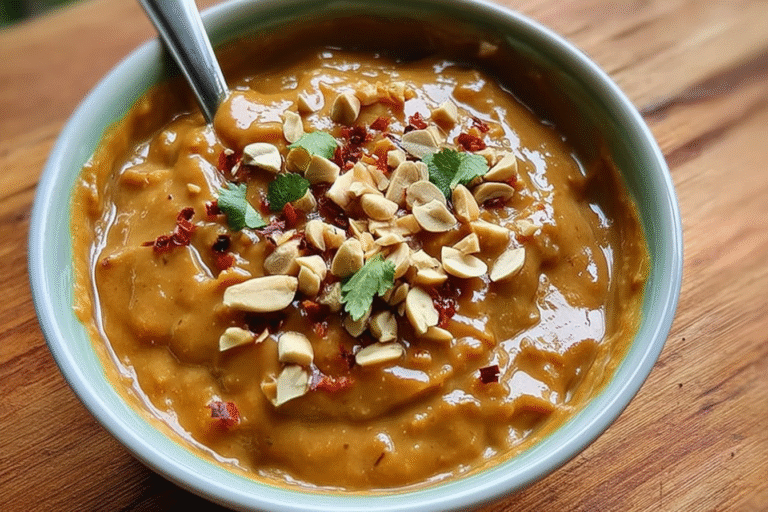
Thai Peanut Sauce
🥢 Enjoy the rich, creamy, and spicy flavors of this Thai Peanut Sauce, perfect for enhancing a variety of dishes with minimal effort.
🌶️ This easy-to-make sauce serves as a versatile dip, dressing, marinade, or sauce adding authentic Thai taste to your meals.
- Total Time: 5 minutes
- Yield: About 3/4 cup
Ingredients
– ⅓ cup (85g) smooth peanut butter for a rich, creamy base
– ¼ teaspoon (0.5g) ground or freshly minced ginger adds a zesty, aromatic depth
– 1 tablespoon (21g) maple syrup or agave provides natural sweetness to balance the flavors
– 2 tablespoons (30mL) low sodium soy sauce brings in that salty umami taste
– 1 teaspoon (5mL) rice wine vinegar offers a refreshing tang
– ½ teaspoon (1.5g) sesame seeds for a nutty crunch and extra flavor
– ¼ teaspoon (0.35g) crushed red pepper flakes (optional) to add a touch of spice if you like it hot
– 2 to ¼ cup (30mL to 60mL) hot water helps achieve the perfect smooth consistency when whisked in gradually
– ⅓ cup (85g) Smooth peanut butter Creates the creamy texture
– ¼ teaspoon (0.5g) Ground ginger Adds aromatic spice
– 1 tablespoon (21g) Maple syrup Balances sweetness
Instructions
1-Gather and prepare all ingredients, including measuring out the peanut butter, ginger, maple syrup, soy sauce, rice wine vinegar, sesame seeds, and crushed red pepper flakes if you’re adding spice.
2-In a medium bowl, whisk together the smooth peanut butter and low sodium soy sauce until they blend into a smooth mixture.
3-Stir in the maple syrup or agave and rice wine vinegar to balance the sweetness and tang, creating that signature umami flavor.
4-Add the ground or minced ginger, sesame seeds, and optional crushed red pepper flakes for extra depth and heat.
5-Gradually whisk in 2 to ¼ cup (30mL to 60mL) of hot water to reach your desired consistency, making the sauce creamy and pourable.
6-Taste the sauce and adjust by adding more sweetener, soy sauce, or spice until it suits your preferences perfectly.
7-Serve it right away or store it in the fridge; it’s great with noodles, salads, or as a dip for veggies, and you can adapt it for dietary needs easily.
Last Step:
Please leave a rating and comment letting us know how you liked this recipe! This helps our business to thrive and continue providing free, high-quality recipes for you.Notes
🌶️ Adjust the amount of crushed red pepper flakes to control the spice level.
🥄 Use hot water gradually to get a smooth, pourable consistency.
❄️ Store in the refrigerator and give it a good stir before use as it may thicken.
- Prep Time: 5 minutes
- Category: Sauce
- Method: Mixing, Whisking
- Cuisine: Thai
Nutrition
- Serving Size: 2 tablespoons
- Calories: 90
- Sugar: 5g
- Sodium: 300mg
- Fat: 7g
- Saturated Fat: 1g
- Trans Fat: 0g
- Carbohydrates: 6g
- Fiber: 1g
- Protein: 3g
- Cholesterol: 0mg