
Why You’ll Love This Veggie Wraps
Veggie wraps are a go-to choice for anyone craving a quick and healthy meal that feels both satisfying and fresh. Imagine whipping up something delicious in just a few minutes with ingredients you likely have on hand. This recipe stands out because it’s simple, packed with goodness, and easy to tweak for your tastes.
One reason you’ll enjoy these wraps is their ease of preparation. This veggie wraps recipe is designed for simplicity and quick cooking time, making it perfect for busy days or last-minute meals. With minimal chopping and straightforward assembly, you can enjoy a fresh, nutritious wrap in under 15 minutes.
They also offer amazing health benefits. Loaded with fresh vegetables and wholesome ingredients, veggie wraps provide a boost of essential vitamins, minerals, and fiber. They support digestive health, promote heart health, and fit well into balanced diets aimed at wellness and vitality.
Plus, they’re incredibly versatile. Adaptable to various dietary needs, veggie wraps cater to vegan, gluten-free, and low-calorie preferences by switching ingredients or using appropriate substitutes, ensuring everyone can enjoy this flavorful dish. Combining crisp veggies, tasty dressings, and aromatic herbs, veggie wraps stand out with their fresh and vibrant taste profile, offering a satisfying and unique meal experience. For more healthy meal ideas, check out our dinner ideas on the site.
Jump to:
- Why You’ll Love This Veggie Wraps
- Essential Ingredients for Veggie Wraps
- How to Prepare the Perfect Veggie Wraps: Step-by-Step Guide
- Dietary Substitutions to Customize Your Veggie Wraps
- Mastering Veggie Wraps: Advanced Tips and Variations
- How to Store Veggie Wraps: Best Practices
- FAQs: Frequently Asked Questions About Veggie Wraps
- What are the best vegetables to use in a veggie wrap?
- How can I make my veggie wraps taste more flavorful?
- Can veggie wraps be a good source of protein?
- What type of wrap is healthiest for making veggie wraps?
- How can I keep veggie wraps fresh and prevent them from getting soggy?
- Veggie Wraps
- Ingredients
- Instructions
- Last Step:
- Notes
- Nutrition
- Did you make this recipe?
Essential Ingredients for Veggie Wraps
Getting the right ingredients is key to making great veggie wraps, and this recipe uses a mix of fresh, nutritious items that come together quickly. Let’s dive into what you’ll need for a delicious batch. These ingredients not only taste great but also pack a nutritional punch.
To make this veggie wrap recipe, here is a complete list of the essential ingredients. I’ve pulled together everything based on the specific details, so you have exact measurements for a perfect result:
- 4 large whole wheat flour tortillas
- 2/3 cup hummus
- 1 cup cooked and shelled edamame
- 2 cups baby spinach leaves
- 1 to 2 peeled and thinly sliced avocados
- 1 large shredded carrot
- 1 chopped English cucumber
- Alfalfa sprouts (optional, add as desired)
- Chopped tomato (optional, add as desired)
- Radish, sliced (optional, add as desired)
- Corn, fresh or canned (optional, add as desired)
- Lettuce leaves (optional, add as desired)
- Cabbage, shredded (optional, add as desired)
- Beets, sliced (optional, add as desired)
- Bell peppers, chopped (optional, add as desired)
- Freshly ground black pepper to taste
- A light drizzle of high-quality olive oil
These measurements ensure you get the right balance of flavors and textures. For instance, the hummus acts as a creamy base, while the veggies add crunch and color. If you’re aiming for special dietary options, such as vegan choices, stick with plant-based hummus and ensure the tortillas are free of animal products.
How to Prepare the Perfect Veggie Wraps: Step-by-Step Guide
Making veggie wraps is one of those fun kitchen tasks that anyone can master, even on a hectic day. Start by gathering your ingredients and setting up your space for smooth assembly. This recipe takes about 15 minutes to prepare, so it’s ideal for a fast lunch or dinner.
First, spread the hummus evenly over each of the 4 large whole wheat flour tortillas. You’ll use about 2/3 cup total, so divide it nicely for even coverage.
Next, layer on the edamame, baby spinach, avocado, carrot, cucumber, and any optional vegetables like alfalfa sprouts or bell peppers right on top of the hummus.
Then, season everything with freshly ground black pepper to taste and add a light drizzle of high-quality olive oil for extra flavor. Carefully roll up each wrap, tucking the fillings inside to keep it all secure.
Gather and wash all fresh vegetables thoroughly to start. Lay the whole wheat tortilla flat on a clean surface and spread an even layer of hummus over it, leaving about an inch border. Begin layering your mixed greens, shredded carrots, cucumbers, avocado slices, edamame, and any other veggies evenly across the center for the best mix.
Sprinkle chopped cilantro if you like, though it’s not in this version, and add the black pepper and olive oil. Carefully roll the tortilla starting from one edge, keeping the fillings tucked tightly to avoid spillage. Slice the wrap diagonally for easy handling and serve right away. Preparation takes about 10-15 minutes with no cooking needed, perfect for quick meals, and you can adapt for vegan or gluten-free options by switching wraps or fillings.

Dietary Substitutions to Customize Your Veggie Wraps
One of the best parts about veggie wraps is how easy they are to tweak. Whether you’re watching your calories or following a specific diet, small changes can make a big difference. Let’s look at some smart swaps to keep things fresh and fun.
For protein and main component alternatives, replace hummus with black bean spread or mashed chickpeas for a plant-based protein boost. You could also use grilled tofu or tempeh strips for added protein in vegan options, or even toss in extra sources like nuts, cottage cheese, turkey slices, or shredded chicken as variations.
When it comes to vegetable, sauce, and seasoning modifications, swap cucumbers for thinly sliced bell peppers or zucchini to change texture and flavor. Use tahini or avocado-based dressings instead of hummus for a creamier wrap, and season with smoked paprika, cumin, or chili flakes for different taste profiles. These substitutions allow you to tailor veggie wraps to your dietary needs, ingredient availability, or seasonality while keeping dishes fresh and exciting. For related recipes, explore our salsa verde chicken option if you’re adding protein.
Mastering Veggie Wraps: Advanced Tips and Variations
Once you get the basics down, veggie wraps can become your signature dish with a few pro moves. Lightly toasting the tortilla before assembling enhances texture and flavor, preventing sogginess and adding a nice warmth. Variations can include different hummus flavors, alternative wrap types, additional vegetables, or extra protein sources such as nuts.
For flavor twists, incorporate items like pickled onions, roasted red peppers, or a squeeze of fresh lemon juice for zest. When it comes to presentation, cut wraps diagonally and arrange them on a plate with vibrant sides like cherry tomatoes or olives for visual appeal. Don’t forget make-ahead options: prepare fillings in advance and store them separately, then assemble wraps just before eating to keep everything crisp.
These expert tips help make your veggie wraps both visually appealing and delicious while maintaining versatility. For instance, you might try different hummus flavors to mix things up, or use alternative wraps for a new twist. Pro cooking techniques like toasting can really elevate the experience without much effort.
How to Store Veggie Wraps: Best Practices
Keeping your veggie wraps fresh is simple if you follow a few handy rules. Store them in an airtight container or tightly wrapped in plastic wrap for up to 2 days to maintain that crisp bite. This method works well for meal prep, so you can grab one on the go.
Freezing isn’t the best idea since fresh vegetables might lose their texture and become watery when thawed. If you have wraps with cooked fillings like tofu, gently warm them in a skillet or microwave, but avoid overheating to preserve the taste. For meal prep, keep wet ingredients like sauces separate until you’re ready to serve, which helps prevent sogginess during storage. Following these storage tips keeps your veggie wraps tasty and ready for busy days.
FAQs: Frequently Asked Questions About Veggie Wraps
What are the best vegetables to use in a veggie wrap?
The best vegetables for a veggie wrap include crisp lettuce, shredded carrots, sliced cucumbers, bell peppers, avocado, and spinach. These vegetables provide a mix of textures and fresh flavors. For added crunch and nutrition, consider adding sprouts, red cabbage, or thinly sliced radishes. Choosing a variety of colorful veggies not only makes your wrap visually appealing but also boosts its vitamin and antioxidant content.
How can I make my veggie wraps taste more flavorful?
To add more flavor to veggie wraps, use a tasty spread or dressing such as hummus, guacamole, or a tangy vinaigrette. Incorporate fresh herbs like cilantro, basil, or parsley for an aromatic touch. Adding a sprinkle of feta cheese or a dash of spices like cumin or smoked paprika can also enhance the taste. Toasting the wrap slightly before filling can give it a warm, slightly crispy texture.
Can veggie wraps be a good source of protein?
Yes, veggie wraps can provide a good source of protein by including ingredients like chickpeas, black beans, tofu, tempeh, or cooked quinoa. Adding nut butters or seeds like sunflower or pumpkin seeds also boosts protein content. Combining fresh vegetables with these plant-based proteins creates a balanced meal that supports muscle maintenance and keeps you full longer.
What type of wrap is healthiest for making veggie wraps?
Whole wheat or whole grain wraps are generally the healthiest options for veggie wraps because they contain more fiber and nutrients compared to white flour wraps. Low-carb or spinach and tomato wraps can also add extra vitamins and minerals. Look for wraps with minimal added sugars and preservatives to keep your meal nutritious and clean.
How can I keep veggie wraps fresh and prevent them from getting soggy?
To keep veggie wraps fresh and avoid sogginess, layer spreads like hummus or cream cheese directly on the wrap first to create a moisture barrier. Then add sturdy vegetables like lettuce or spinach before including wet ingredients such as tomatoes or cucumbers. Wrapping tightly in plastic wrap and storing them in the refrigerator helps maintain freshness. For best taste and texture, consume the wraps within 24 hours.
Veggie Wraps
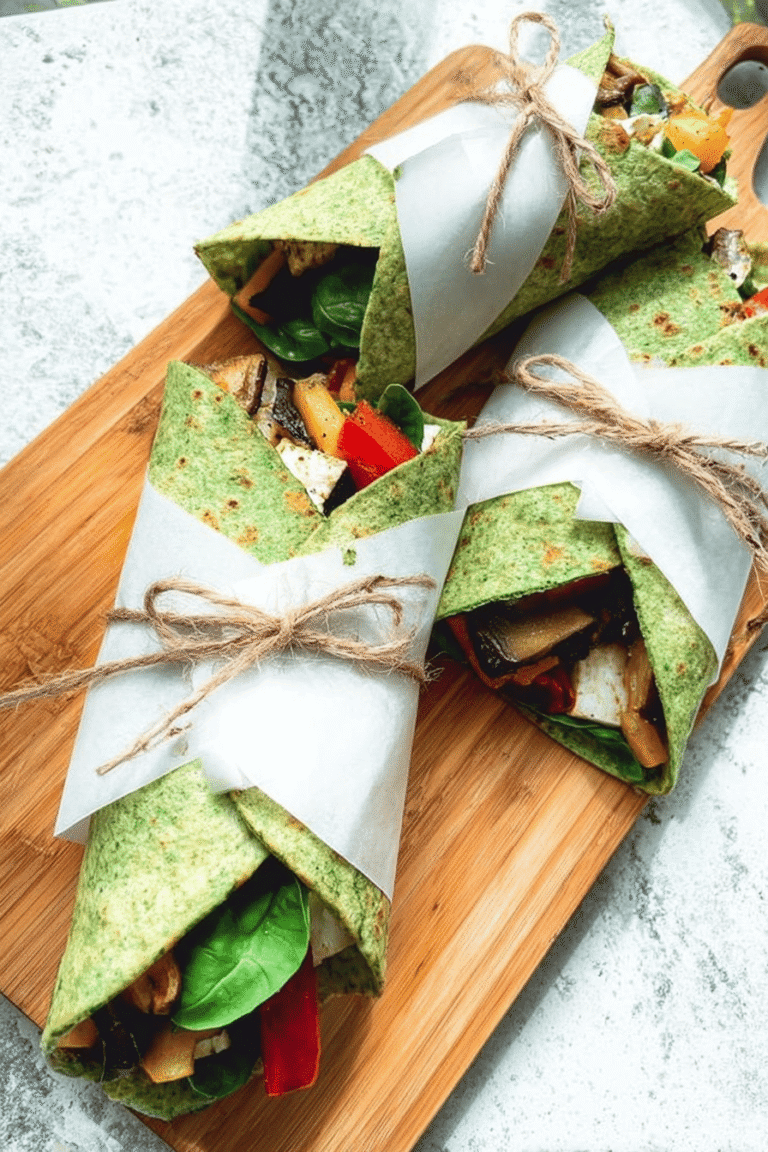
🥙 Enjoy a fresh and nutrient-packed meal with these veggie wraps loaded with wholesome ingredients like edamame, spinach, and avocado.
🌿 These wraps are versatile, easy to prepare, and perfect for a healthy, flavorful lunch or dinner option.
- Total Time: 15 minutes
- Yield: 4 servings 1x
Ingredients
4 large whole wheat flour tortillas
2/3 cup hummus
1 cup cooked and shelled edamame
2 cups baby spinach leaves
1 to 2 peeled and thinly sliced avocados
1 large shredded carrot
1 chopped English cucumber
Alfalfa sprouts (optional)
Chopped tomato (optional)
Radish, sliced (optional)
Corn, fresh or canned (optional)
Lettuce leaves (optional)
Cabbage, shredded (optional)
Beets, sliced (optional)
Bell peppers, chopped (optional)
Freshly ground black pepper to taste
A light drizzle of high-quality olive oil
Instructions
1-First, spread the hummus evenly over each of the 4 large whole wheat flour tortillas. You’ll use about 2/3 cup total, so divide it nicely for even coverage.
2-Next, layer on the edamame, baby spinach, avocado, carrot, cucumber, and any optional vegetables like alfalfa sprouts or bell peppers right on top of the hummus.
3-Then, season everything with freshly ground black pepper to taste and add a light drizzle of high-quality olive oil for extra flavor. Carefully roll up each wrap, tucking the fillings inside to keep it all secure.
4-Gather and wash all fresh vegetables thoroughly to start. Lay the whole wheat tortilla flat on a clean surface and spread an even layer of hummus over it, leaving about an inch border. Begin layering your mixed greens, shredded carrots, cucumbers, avocado slices, edamame, and any other veggies evenly across the center for the best mix.
5-Sprinkle chopped cilantro if you like, though it’s not in this version, and add the black pepper and olive oil. Carefully roll the tortilla starting from one edge, keeping the fillings tucked tightly to avoid spillage. Slice the wrap diagonally for easy handling and serve right away. Preparation takes about 10-15 minutes with no cooking needed, perfect for quick meals, and you can adapt for vegan or gluten-free options by switching wraps or fillings.
Last Step:
Please leave a rating and comment letting us know how you liked this recipe! This helps our business to thrive and continue providing free, high-quality recipes for you.Notes
🥑 Use different hummus flavors to add variety and extra taste.
🌯 Try alternative wraps such as spinach, tomato basil, or gluten-free tortillas for different textures.
🍗 Add extra protein like nuts, cottage cheese, turkey slices, or shredded chicken for a more filling meal.
- Prep Time: 15 minutes
- Category: Main Dish
- Method: No-cook assembly
- Cuisine: International
- Diet: Vegetarian
Nutrition
- Serving Size: 1 wrap
- Calories: 351 kcal
- Sugar: 5 g
- Sodium: 473 mg
- Fat: 17 g
- Saturated Fat: 3 g
- Trans Fat: 0 g
- Carbohydrates: 41 g
- Fiber: 12 g
- Protein: 14 g
- Cholesterol: 0 mg